It all began with everyday conversations in hospital corridors.
Radiologists from the Mazovian Voivodeship Hospital in Siedlce and the Lviv Regional Clinical Diagnostic Center spoke about the same challenge – patients waiting far too long for diagnoses, test results, and the start of treatment.
Long queues for magnetic resonance imaging (MRI) and computed tomography (CT) scans meant not only stress, but also lost time, often critical for successful treatment in oncology. This is how the idea for the InsideImaging project was born, connecting the two hospitals to improve access to modern diagnostic imaging.
The goal was not only to purchase new equipment, but to create a system that would allow doctors to act faster and more effectively.
One problem, two cities, a shared goal
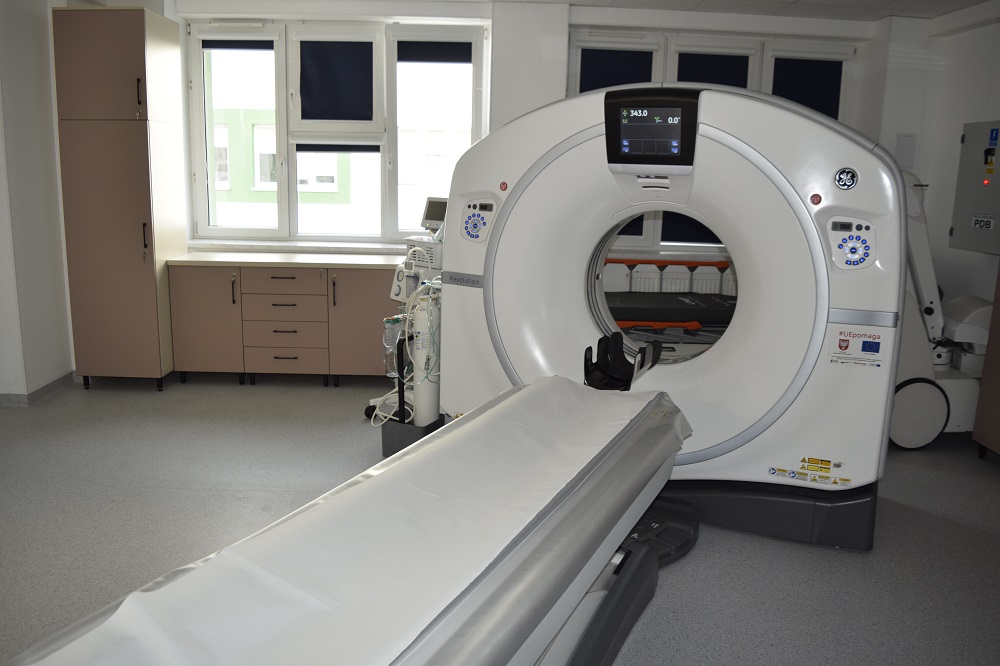
In Siedlce, one of the CT scanners was located in a container outside the hospital building. For patients, this meant moving from place to place, often in poor weather conditions. For doctors, it meant limited access to results and slower data transmission.
In Lviv, the challenge was time and technology. The old MRI machine often broke down, and patients waited weeks for examinations. The lack of modern infrastructure made appointment registration and communication with staff difficult.
In both places, it was clear – something had to change.
New technologies, new quality
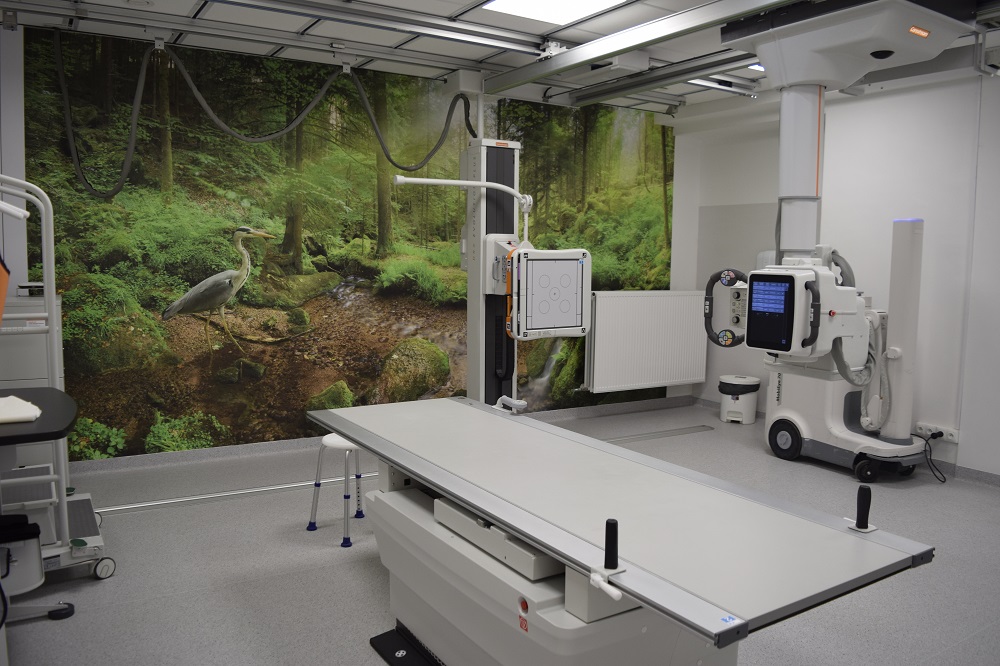
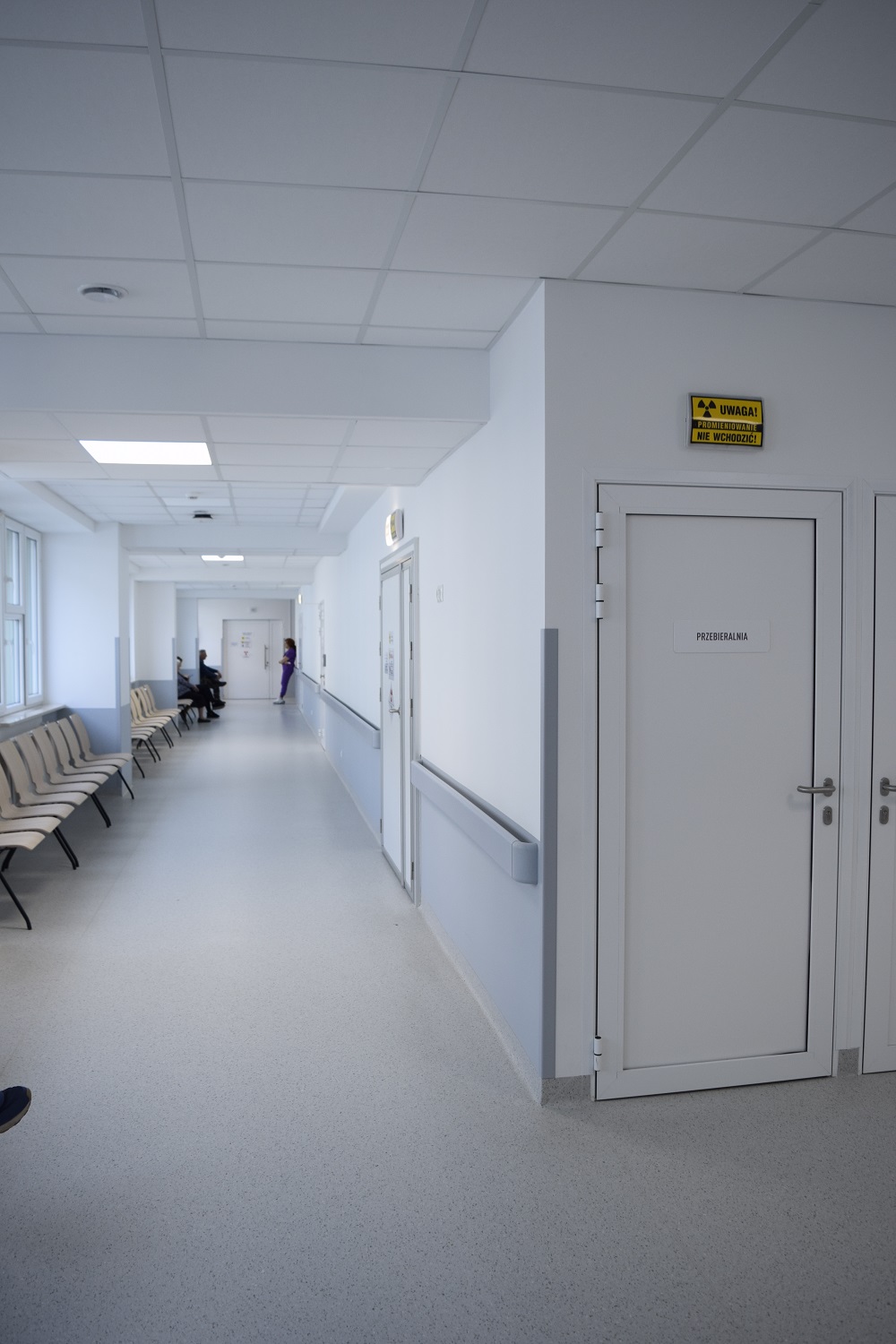
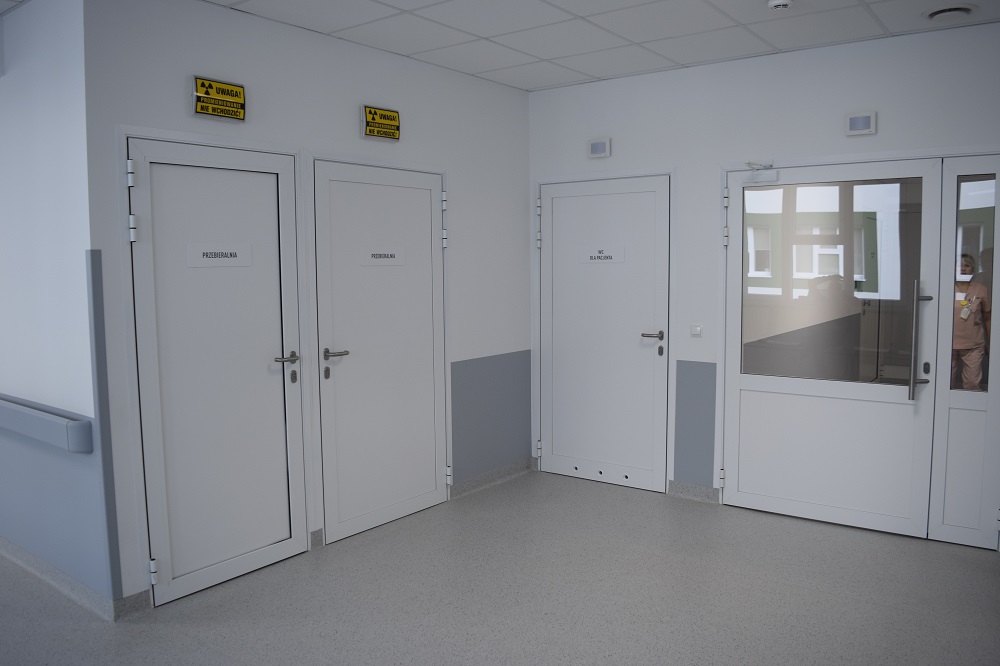
In Siedlce, a major modernization of the Diagnostic Imaging Department began. The CT scanner was moved inside the hospital building, and the layout of the unit was reorganized to create a coherent, modern imaging environment.
The hospital also implemented advanced teleradiology software, enabling specialists to consult results in real time. Doctors are supported by artificial intelligence, which helps detect potential cancerous changes.
In Lviv, the modernized MRI unit will be equipped with a new scanner. A modern call center will also be created to facilitate patient registration and communication with staff, along with a digital archive enabling quick access to results.
The first effects of cooperation
Even before the project’s completion, the first results are already visible.
Facilities on both sides of the border are testing the imaging technologies developed within the project. These solutions allow for more accurate diagnoses and shorter waiting times for results. Scientific cooperation has led to joint publications and new research initiatives.
Cooperation that does not end
After the project ends, the partners plan to continue working together. They are preparing further training, research activities, and new technological implementations. This is just the beginning of long-term cooperation aimed at improving diagnostics and patient care.