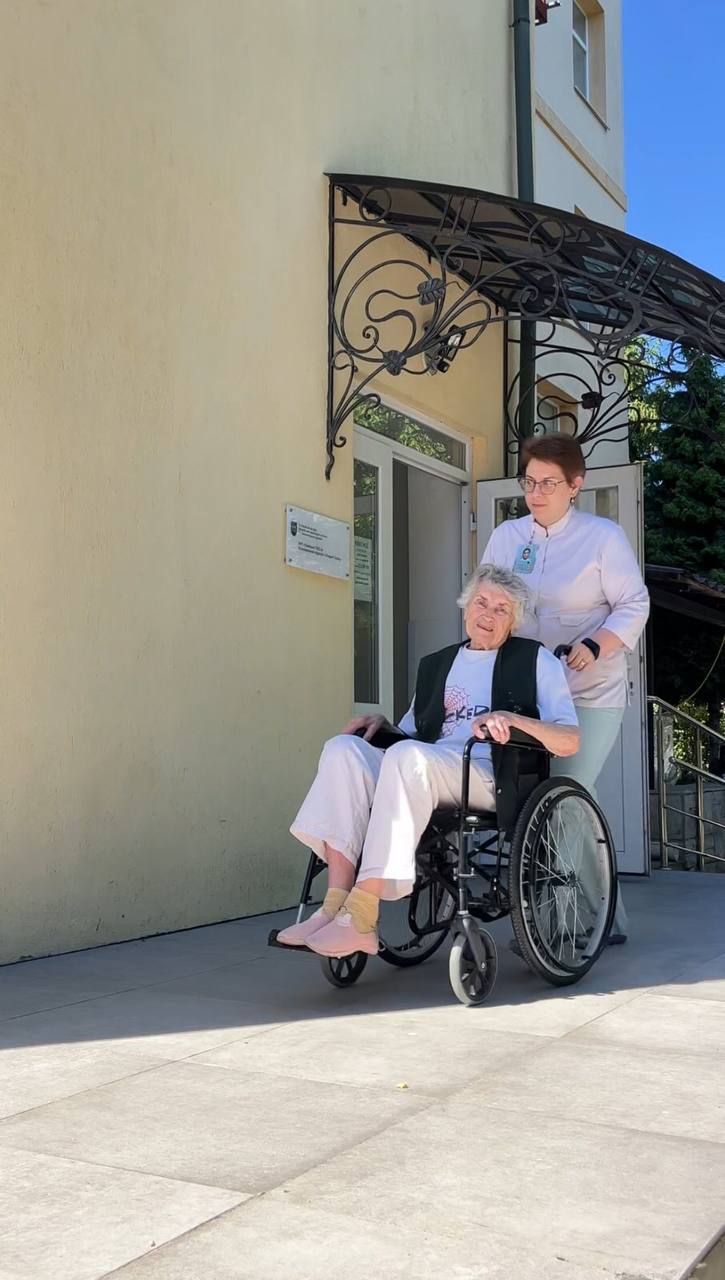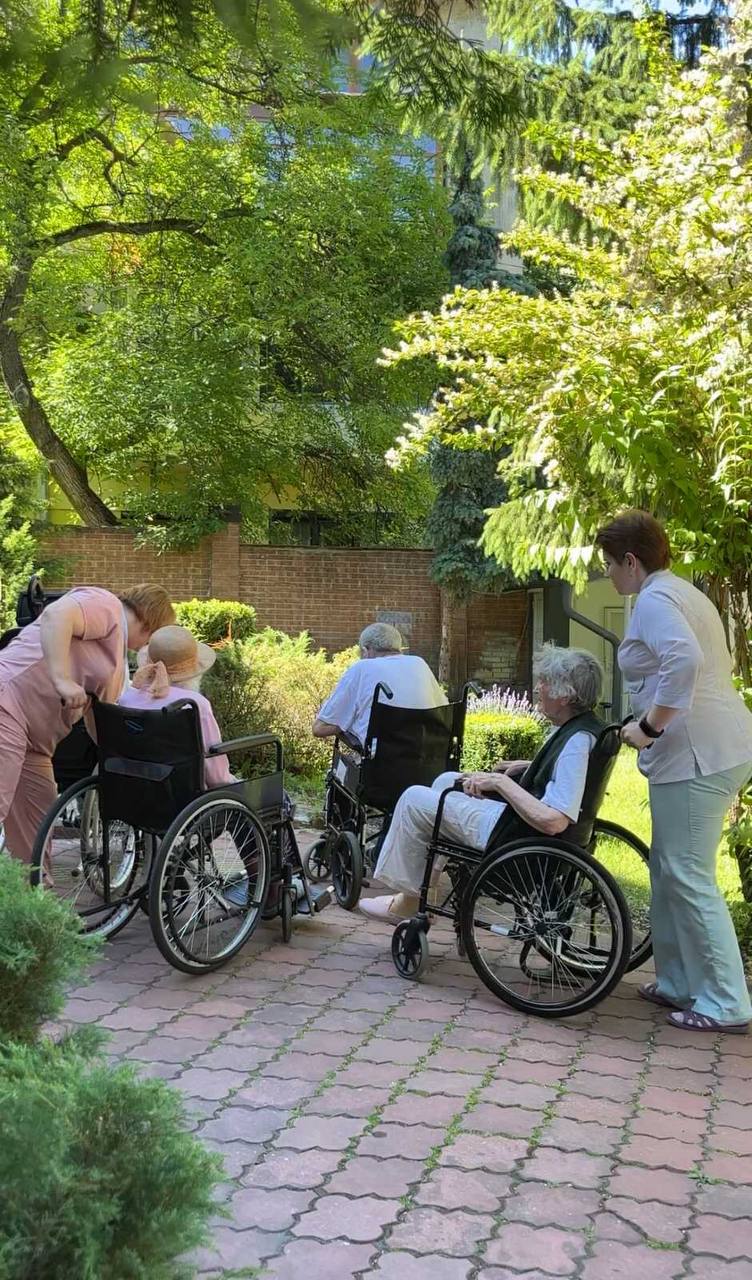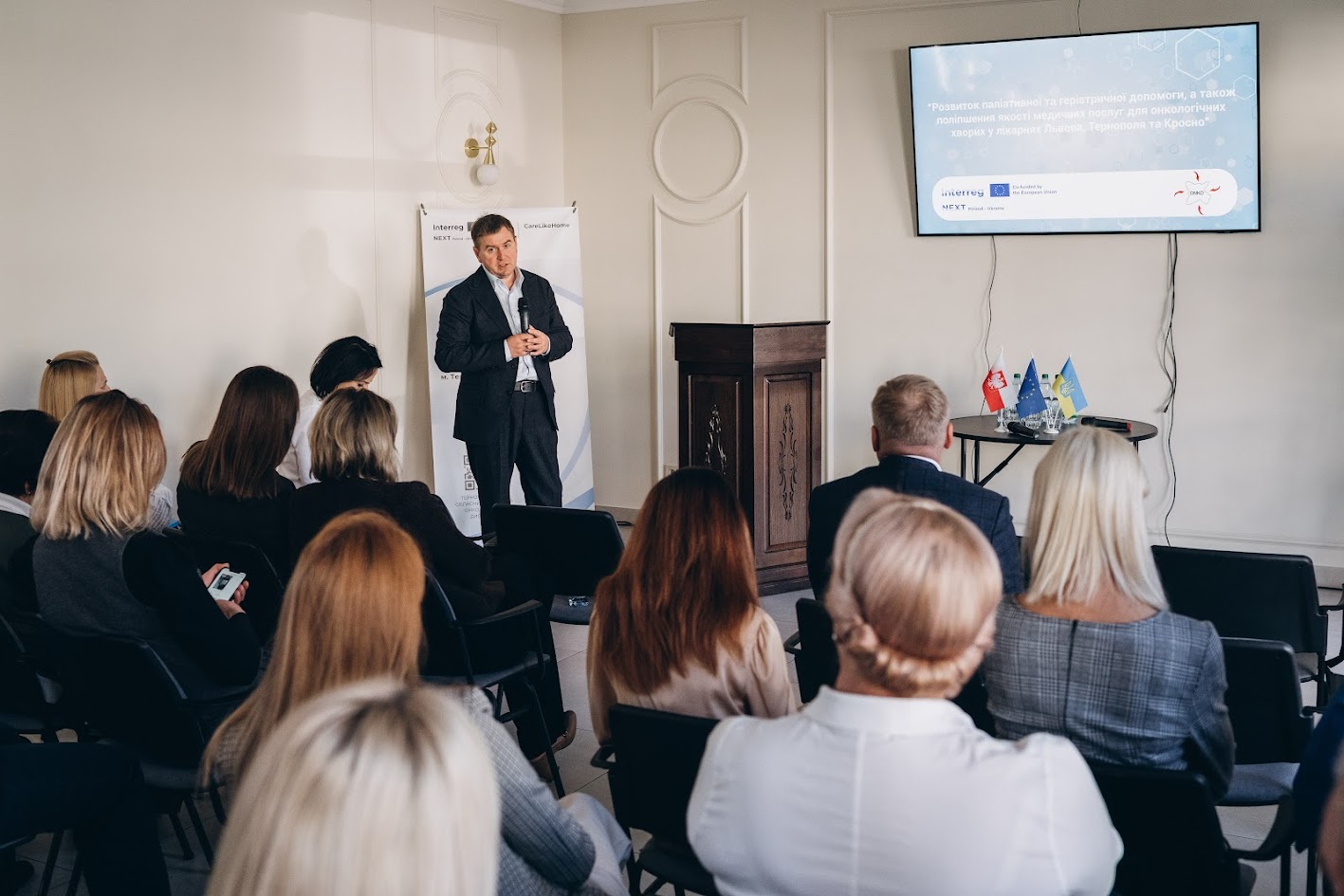
This autumn, Ternopil hosted CareLikeHome project conference bringing together palliative and geriatric care experts from Ukraine and Poland. The event served as a platform to discuss the development of palliative care in both countries, as well as to present specific steps planned and already implemented within the CareLikeHome project.
This event brought into public discourse the difficult topic of death and suffering, along with the loneliness and helplessness that often accompany them, issues that remain largely taboo in our society. At the same time, given the urgency of improving palliative care, changes are needed both in the medical and social spheres, as well as increased public awareness.
The Latin word pallium, from which the term “palliative” derives, means “cloak.” The goal of palliative care is to “cloak” patients in comfort and support. More precisely, to improve the quality of life of people with life-threatening illnesses by preventing and alleviating suffering. The history of palliative care is relatively recent: it traces back to the establishment of the first hospice for terminally ill patients in London in 1967 by British physician Cicely Saunders. The term itself was introduced by Balfour Mount in 1974. Today, palliative care includes not only pain relief, but also psychological support for patients and families, attention to spiritual needs, and addressing social, legal, and ethical issues related to illness and the end of life.
Although the field of palliative care continues to evolve, the global need for it remains immense. Of the 62 million people who die each year worldwide, at least 60% require palliative care. Many countries lack national palliative care policies or have ineffective ones. Access to essential palliative medicines remains a major challenge due to restrictions on opioid circulation and different levels of development in pain therapy across countries.
The first hospices in Poland emerged in the 1980s, while in Ukraine the first hospice opened in 1996 in Lviv. Although both countries have made significant progress in improving palliative care services since then, the needs of all palliative patients are still far from being met, especially as new challenges emerge.
In both countries, the demand for palliative care is rapidly increasing due to demographic, social, and medical factors. The populations of both countries are aging quickly due to medical advancements and improved quality and length of life, while birth rates decline and migration processes reshape population structures. At the same time, the number of non-communicable chronic diseases is rising, and palliative care often becomes a necessary form of support. Healthcare systems still pay insufficient attention to the needs of the elderly people, those with chronic or incurable diseases, and socially vulnerable groups, deepening inequality in access to quality services. Similar challenges affect both countries: unequal access to medical and social services in urban and rural areas, workforce shortages due to the demanding nature of the work, and an insufficient number of trained specialists.
The war in Ukraine has further exacerbated the situation: physical injuries (both among military personnel and civilians), psychological trauma, and internal displacement have all increased. The demand for palliative care in Western Ukraine has risen by at least 30%. The number of displaced people in Poland is also growing.
The CareLikeHome project is only one step toward addressing these challenges, yet its impact extends beyond individual cities and regions. It includes the creation of modern, inclusive hospital spaces in Lviv, Ternopil, and Krosno; improved conditions for patients and staff; the introduction of evidence-based approaches to nutrition and treatment of seriously ill patients; professional training; and strengthening the capacity of the healthcare system to respond to demographic and social changes.

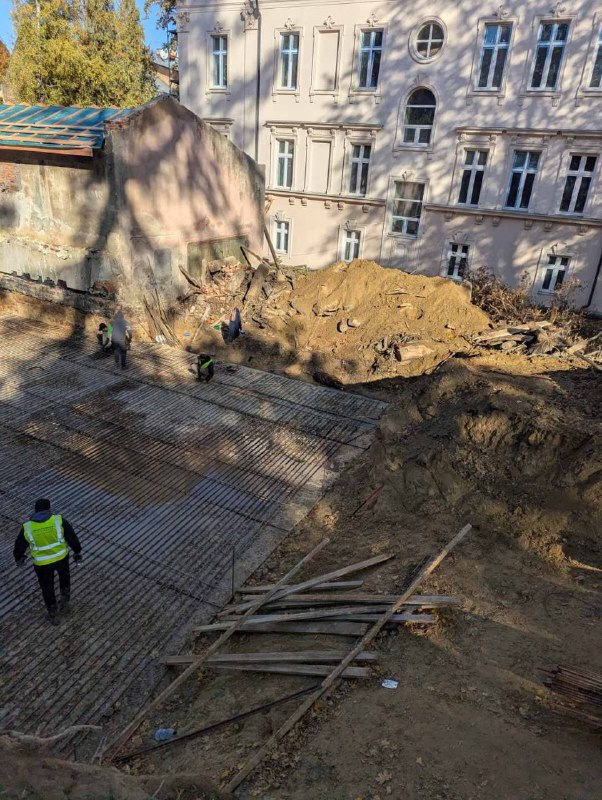
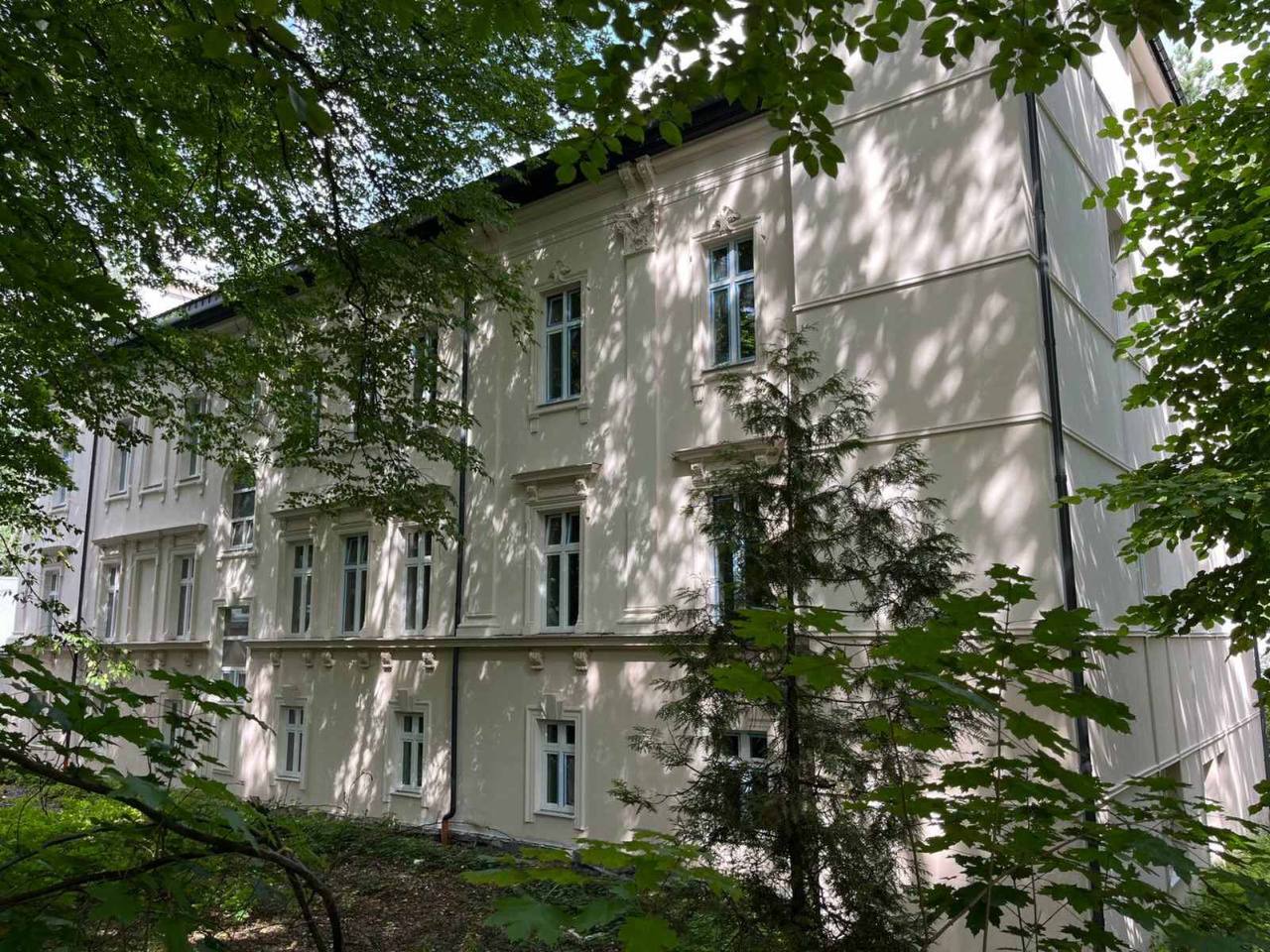
In Lviv, the project is being implemented in a building that previously housed a therapeutic ward serving mostly patients with chronic illnesses. The premises were in critical condition, and the region faced an acute shortage of hospice and palliative beds. Before the National Health Service of Ukraine (NHSU) began contracting the palliative care package, Lviv had 60 public and 30 private palliative beds, while the need was at least twice as high. The situation in the region was even more challenging. Therefore, it was decided to create a separate building for hospice and palliative patients
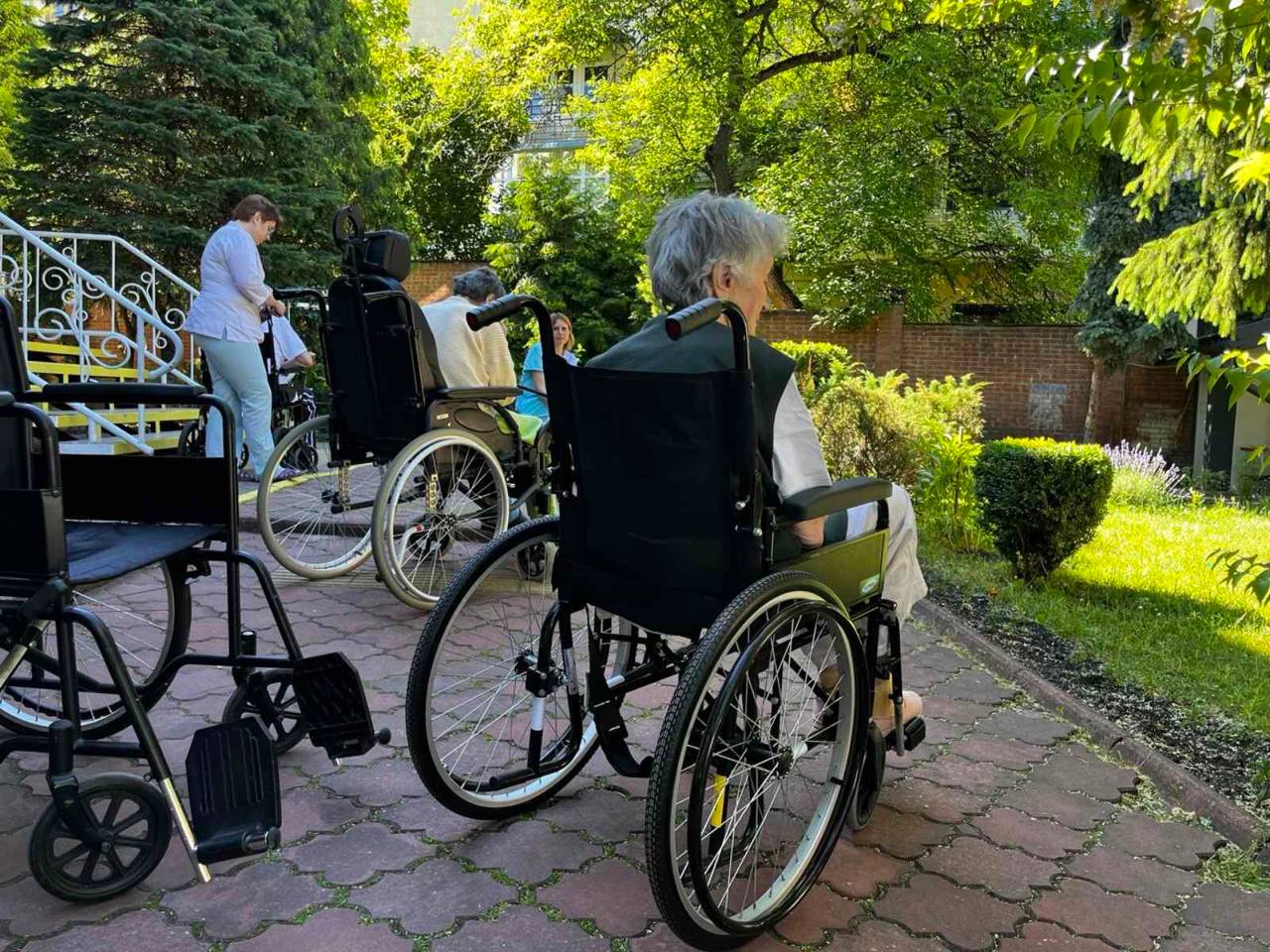
Reconstruction of the 1,000 m² building is now underway. The new ward will have inclusive access to all facilities, a shelter, and a passageway connecting it with another building. The surrounding green area will also be renewed to ensure a barrier-free and comfortable outdoor space for people with mobility limitations. The new palliative care department is expected to serve 500 patients annually. The project will also launch a training program for specialists in palliative and geriatric care, as well as physical and psychological rehabilitation. Training will be conducted in cooperation with the medical university and the nursing postgraduate education college. By order of the Lviv Regional Health Department, the hospital is designated as the Coordination Center for Palliative Care in the Lviv region.
One of the largest groups in need of palliative care is cancer patients. As part of the project, a dedicated palliative care ward is being established at the Ternopil Regional Clinical Oncology Centre, where patients will receive not only medical support but also psychological assistance and comfortable conditions.
Unfortunately, cancer care does not always mean specialized treatment. We encounter cases where cancer is diagnosed at stage III or IV, and not all treatment aims at full recovery. Some patients receive therapy to improve their quality of life, and these patients fall into the palliative category. Sadly, there are many such patients, and they often do not receive adequate attention. We are working to change this. Currently, we provide palliative care services using dedicated beds within existing departments, but we aim to establish a separate ward for oncology patients who require palliative care. The project gives us this opportunity
Krosno Hospital is modernizing and equipping its Long-Term Care and Treatment Unit. The facility on Grodzka Street is being reconstructed, and 15 new beds will be added to the existing 55. This will significantly reduce waiting times for hospitalization. The renovated unit will have accessible bathrooms, modern medical infrastructure, and new equipment, including an ambulance, medical beds, physiotherapy equipment, and more.
One of the important elements of the CareLikeHome project is the publication of a guide on enteral nutrition in palliative medicine. The results of this work were presented during the conference in Ternopil. The guide will be a valuable product of the project that other hospitals in Poland and Ukraine will be able to use.
Palliative care is not only about treatment but, above all, about humanity. The CareLikeHome project demonstrates that systemic change is possible when professionalism, cross-border cooperation, and commitment to supporting those most in need come together. A shared vision for development and joint work on sustainable results represent an important step toward transforming the culture of pain and suffering in Ukraine and Poland. At the heart of palliative care is the person — their dignity and their right to a good quality of life, even in the most difficult moments.