When Łukasz Nowak, Mayor of Tarnobrzeg – the lead partner of the project “New Life of Historic Parks Wiśniowiec–Tarnobrzeg” (acronym: EcoParks) – travelled to Vyshnivets in Ukraine to sign the partnership agreement, he had mixed feelings. Many people advised against travelling to areas threatened by Russian aggression. He was also mindful of the complex Polish-Ukrainian history of the borderland. At the same time, he believed that this joint initiative could become a driving force for further cooperation and actions benefiting local communities on both sides of the border.
The partners were brought together by previous personal contacts, as well as a shared historical heritage linked to the Tarnowski family. A significant role was played by the Ukrainian partner – the Ternopil Castles National Reserve:

This Ukrainian institution bases its activities on preserving, promoting, and revitalising historical assets related to the Tarnowski family. It is worth noting that this renowned family founded four towns in south-eastern Poland (Tarnów, Tarnobrzeg, Tarnogóra, Tarnogród) as well as a major city in Ukraine – Ternopil. Thanks to the efforts of the Ternopil Castles National Reserve, the Dzikowski Park in Tarnobrzeg could be included in the list of activities under the Interreg Programme.
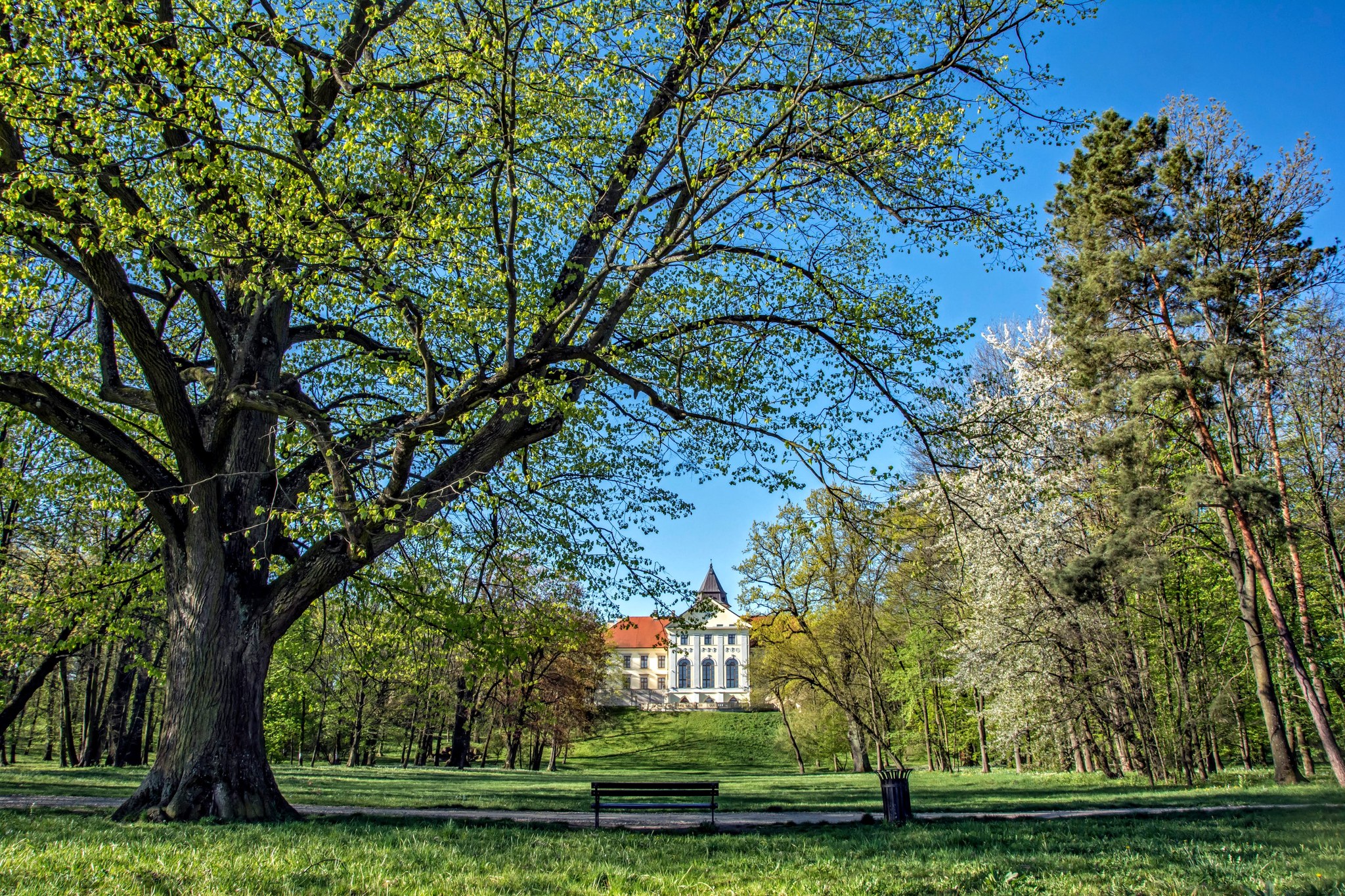
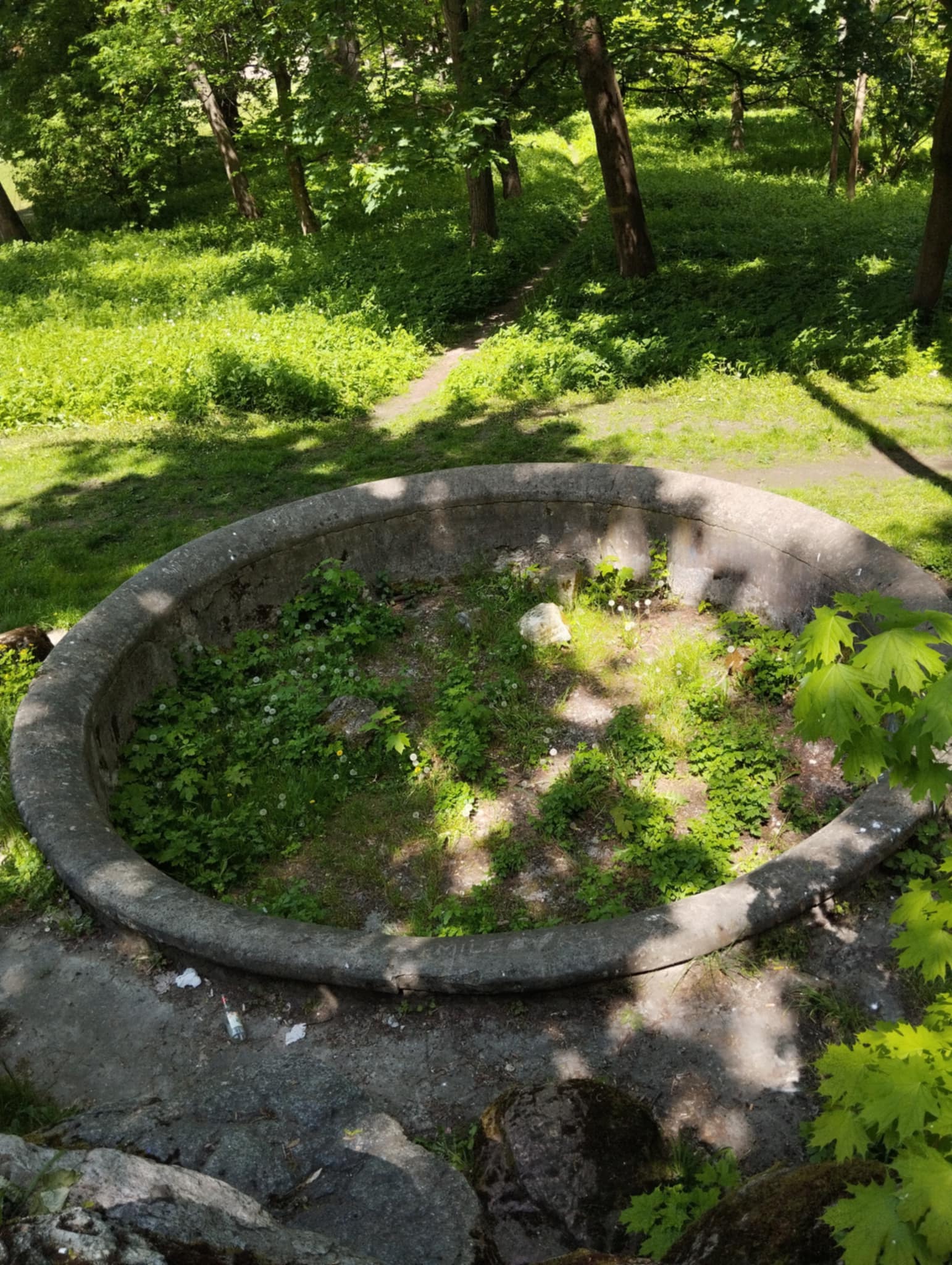
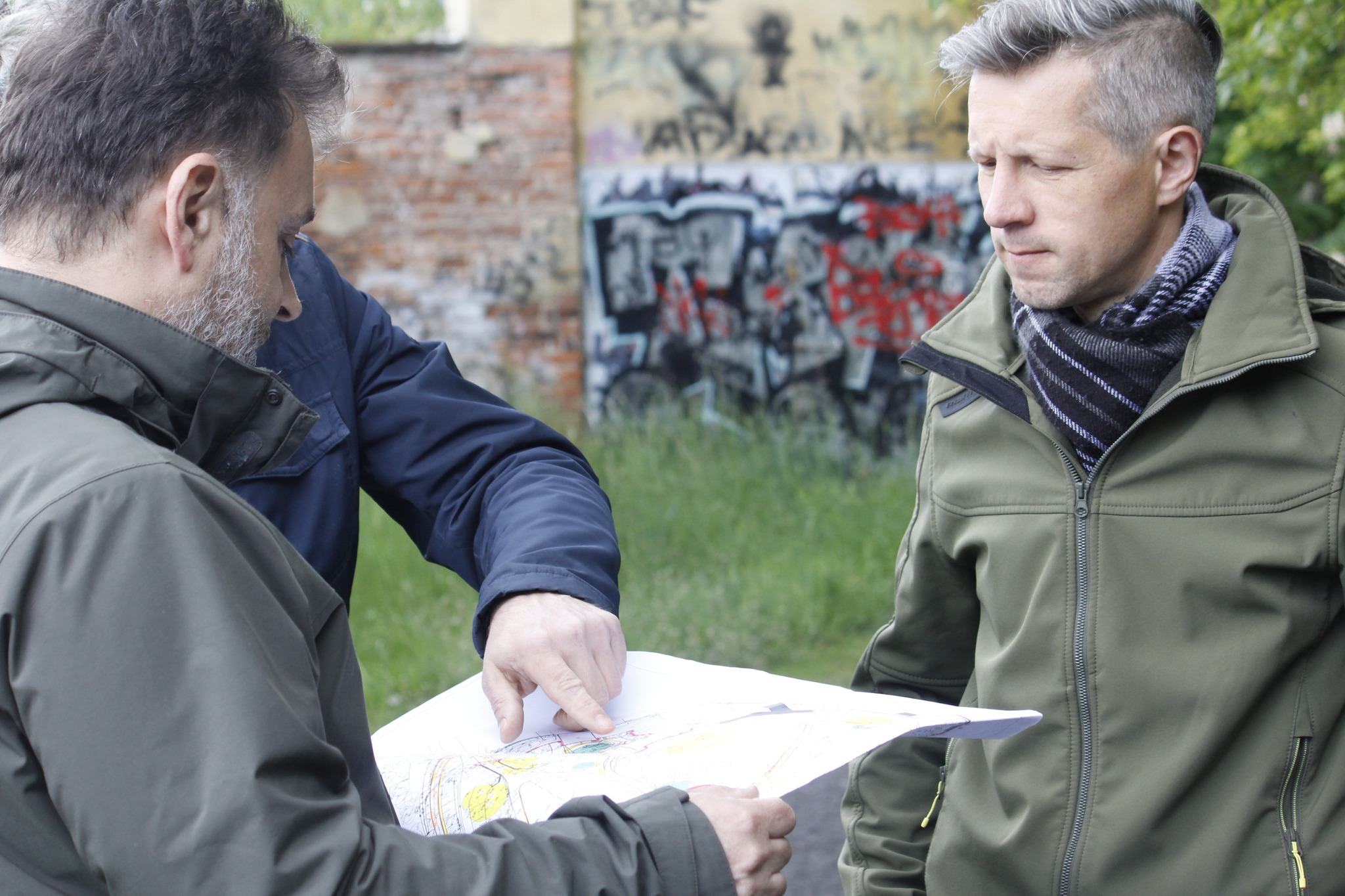
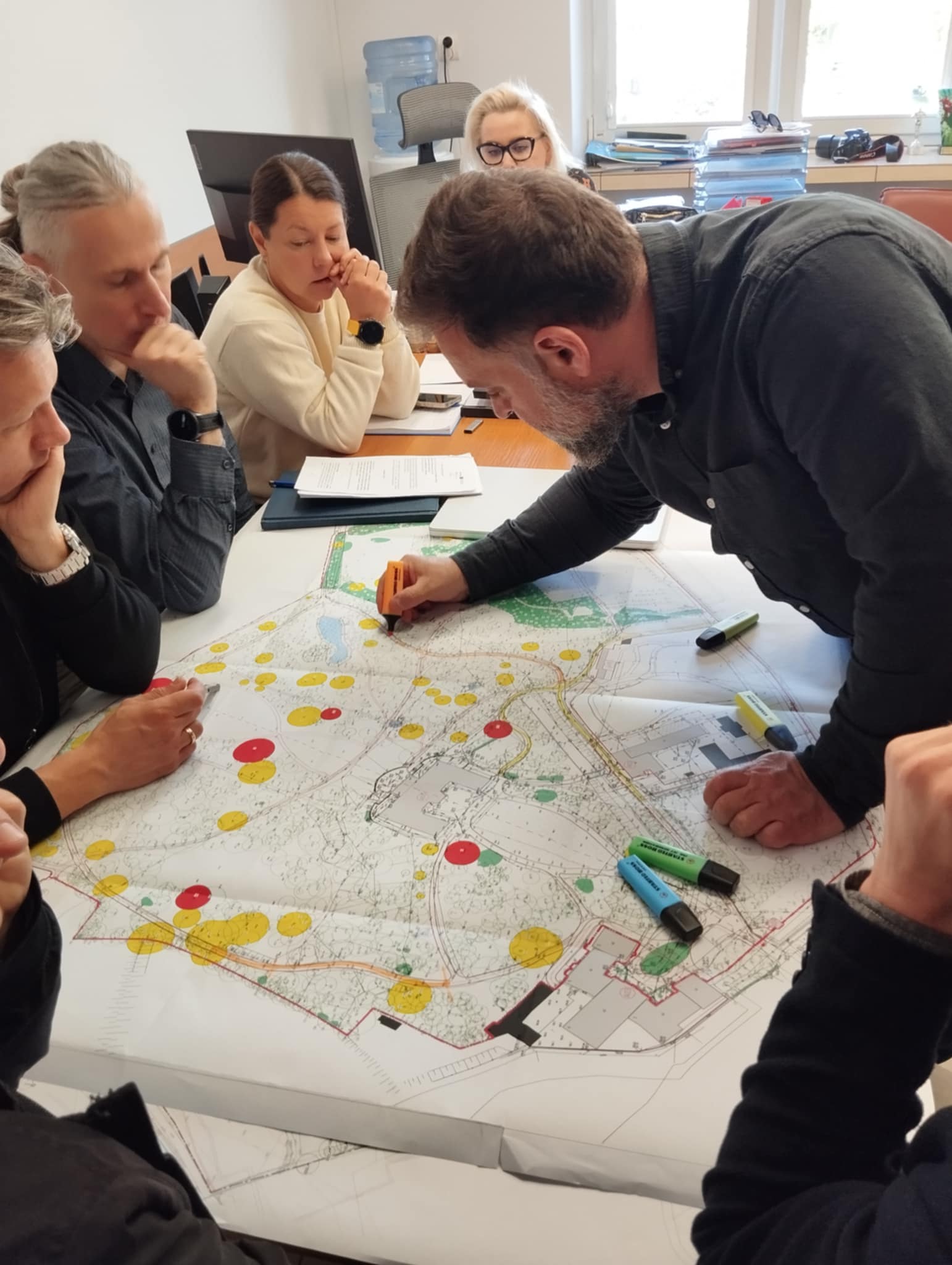
On the Polish side, the project includes, among others, an assessment of the park’s condition, tree maintenance and new plantings, renovation of park alleys and heritage-style lighting, regulation of the hydrological system, and reconstruction of the fountain. Plans also include restoring the historical plant species composition, installing small-scale infrastructure (benches, waste bins, information boards), and implementing a monitoring system.
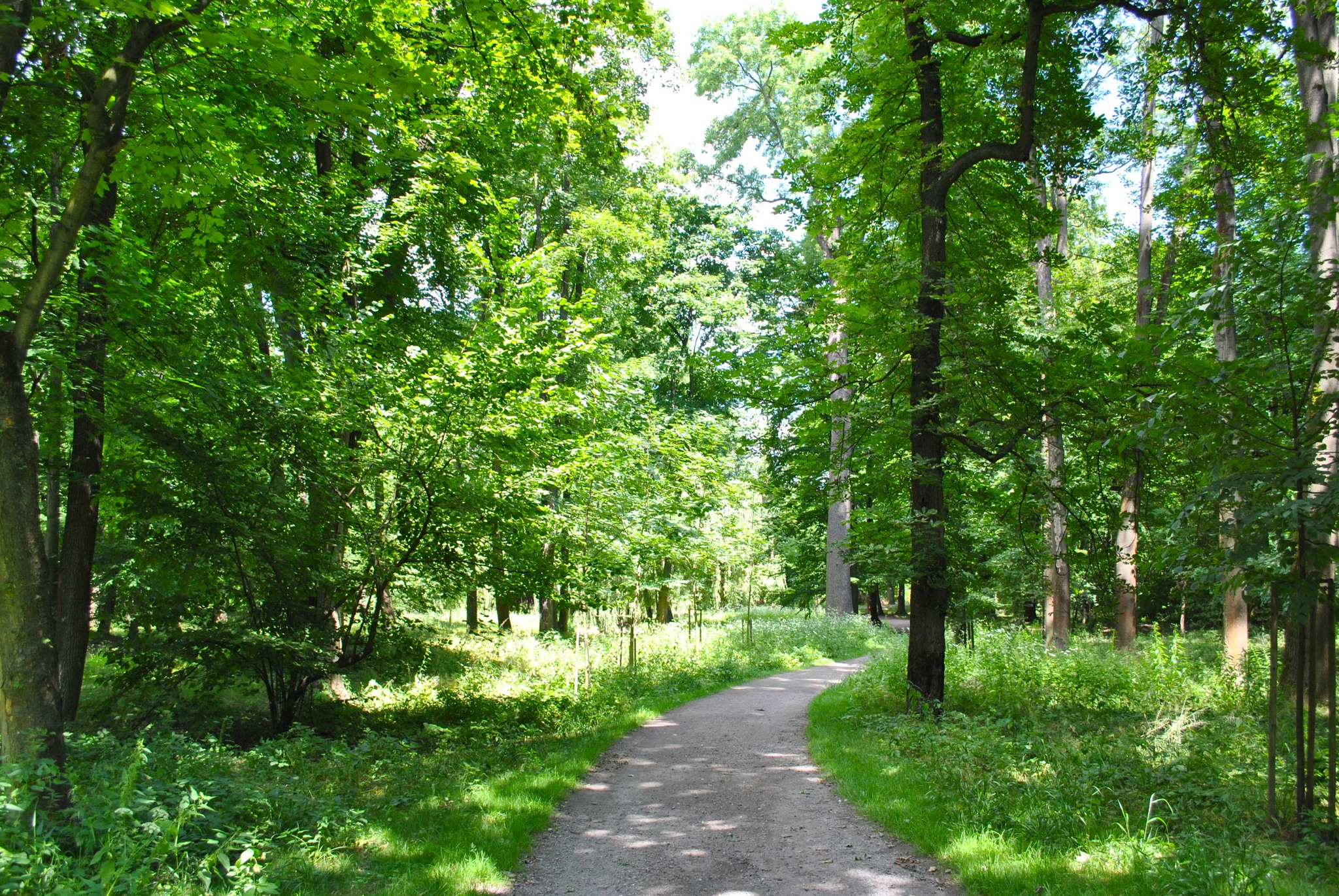
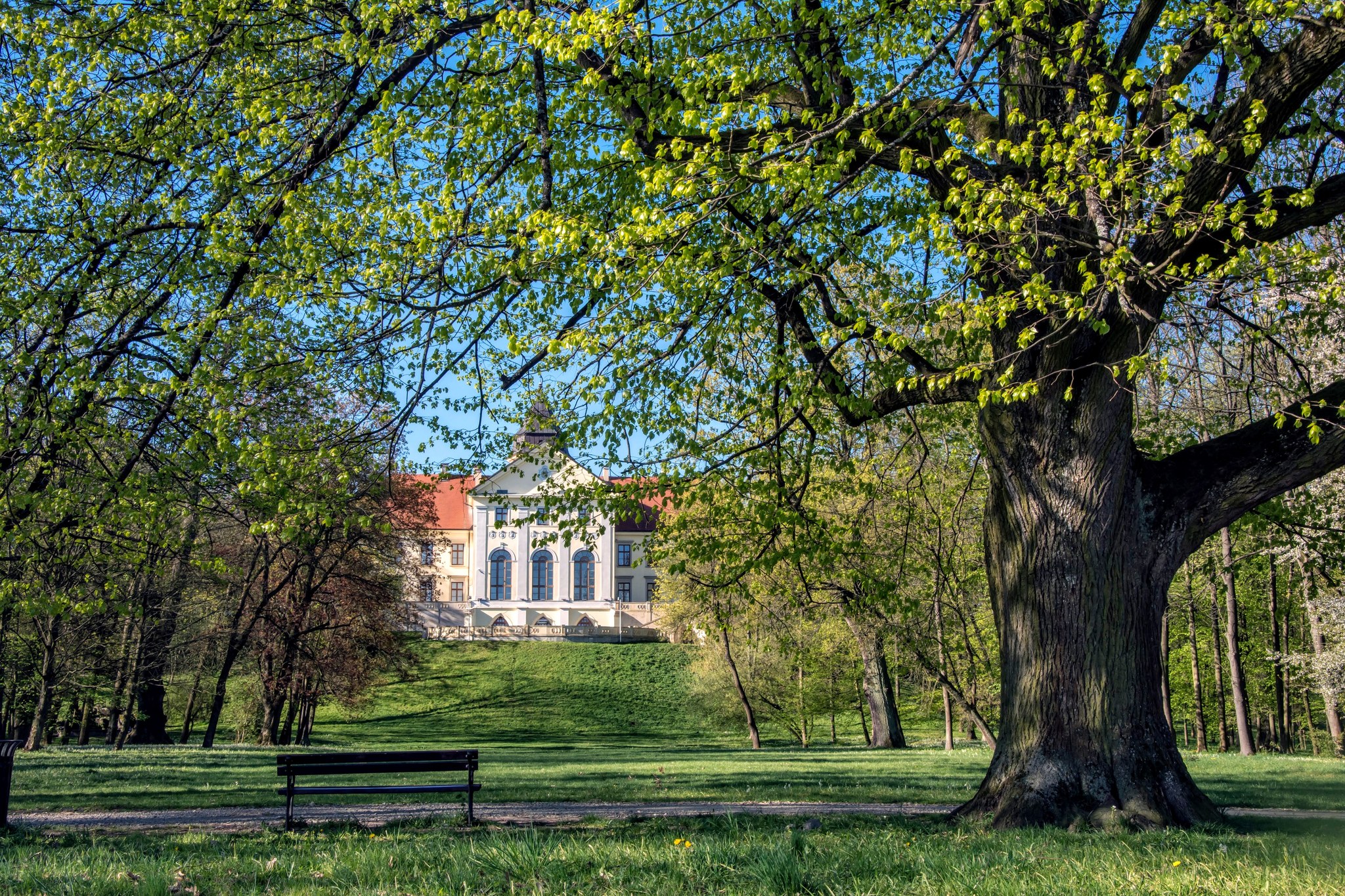
In the lower part of the park, there are trees, many of which are natural monuments, including tulip trees and ginkgo biloba. The upper part of the park used to host vegetable gardens and an orangery, where thermophilic trees and shrubs were overwintered.
– adds Dr hab. Tadeusz Zych, Director of the Tarnowski Family Museum – Castle in Tarnobrzeg
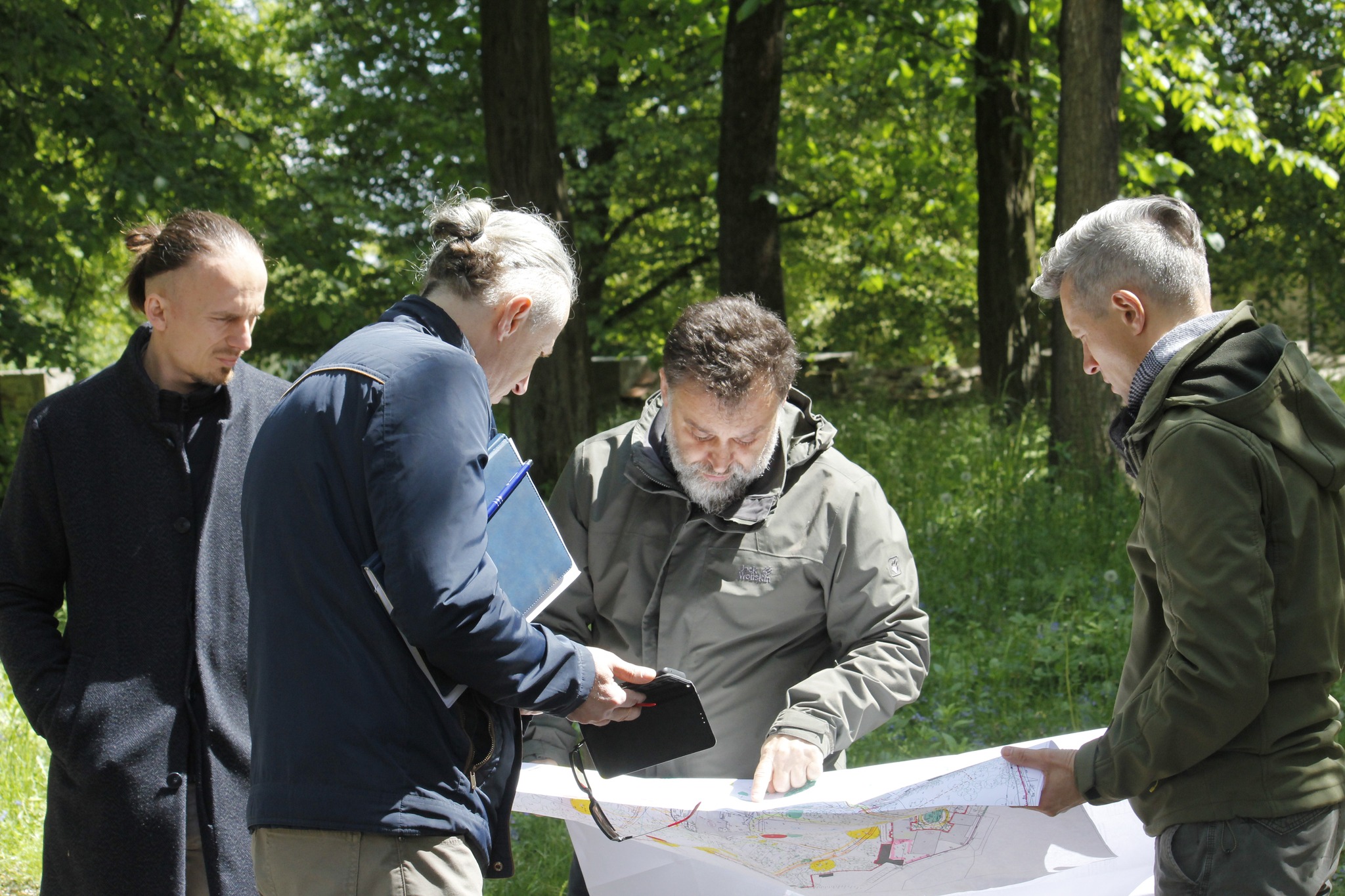
An inventory of the park surrounding the Tarnobrzeg castle revealed that it contains over 2,000 trees representing 52 species. The most common are Norway maple, sycamore maple, lime, hornbeam, and ash, which account for more than 60% of the tree stand. The undergrowth includes early spring flowers such as lesser celandine, wood anemone, lungwort, ground ivy, drooping star-of-Bethlehem, and yellow star-of-Bethlehem. In the open areas of the park, species such as globeflower and comfrey can be found.
Such an inventory provides a basis for further revitalisation works, which will help preserve the unique character of the park, enhance biodiversity, and improve user comfort. All activities are carried out in consultation with the heritage conservation authority.
We have also planned cross-border conferences, as the project aims to foster integration between our societies. We have scheduled joint environmental actions targeting residents and young people.
At the same time, works are being carried out on the Ukrainian side. In Vyshnivets, a gazebo near the castle will be renovated and a fence will be constructed. Students from the local vocational secondary school are actively involved in environmental actions.
Every spring, our boys gather here. We collect and remove waste. If not us, then who? We must help maintain the park, as it is a vast area. Help is always needed.
– Maria Shapoval, local teacher
Further activities will take place at other sites of the Ternopil Castles National Reserve: Zbarazh, Terebovlia, Pidzamochek, and Yazlovets.
– Olga Polishchyna, Coordinator of the Ukrainian part of the projectAs part of information and promotion activities, interactive applications with routes and vegetation maps of the parks in Tarnobrzeg and Vyshnivets will be developed, along with a brochure titled “Historic Parks of Tarnobrzeg and Vyshnivets.”
The project will deliver tangible environmental and social benefits: it will contribute to biodiversity protection, improve recreational infrastructure, create better conditions for outdoor activities, and raise environmental awareness among residents.
Together, we will recover a part of the history of our towns, as this is a true partnership project. I hope this cooperation will lead to new projects in the future.