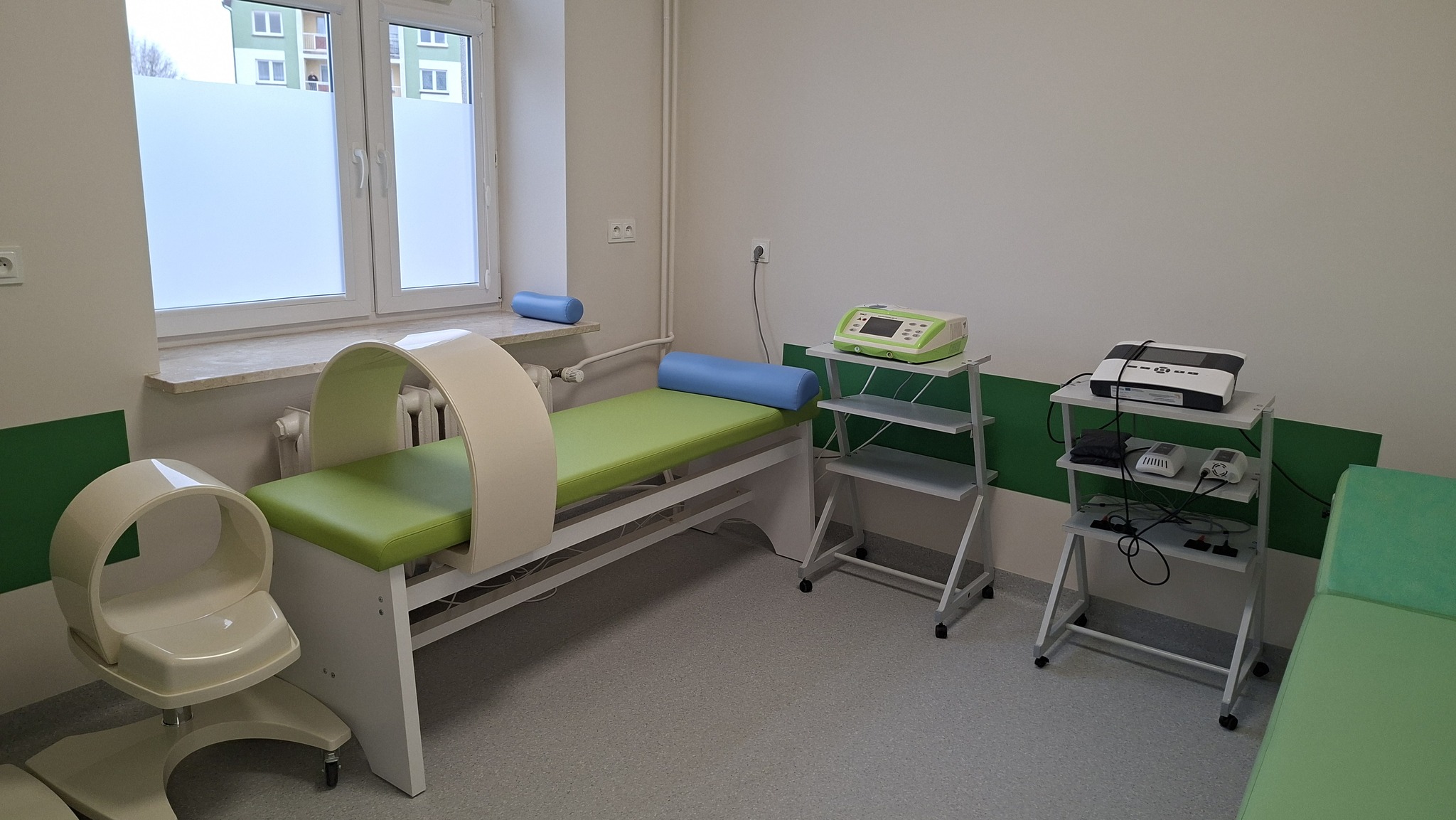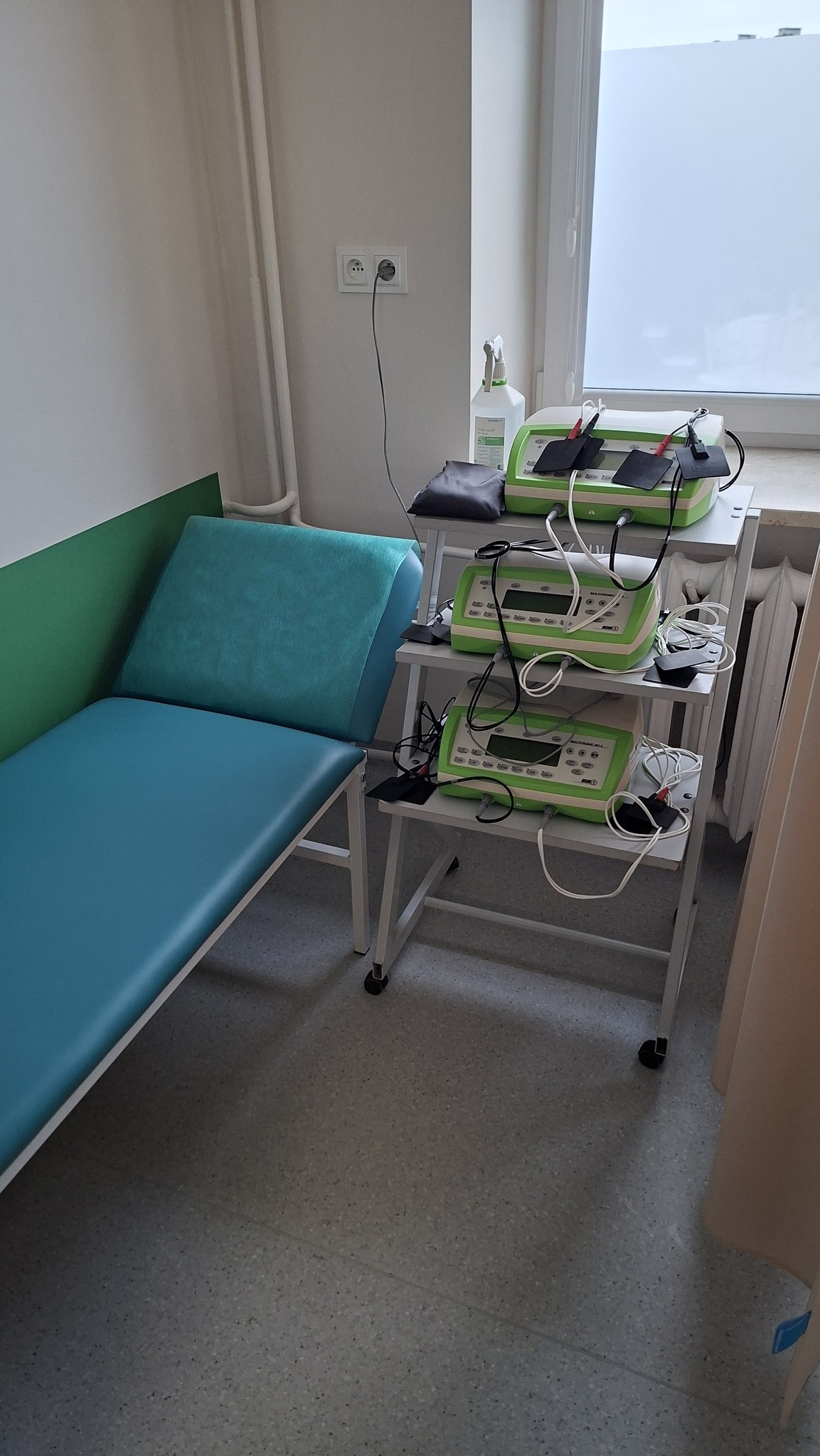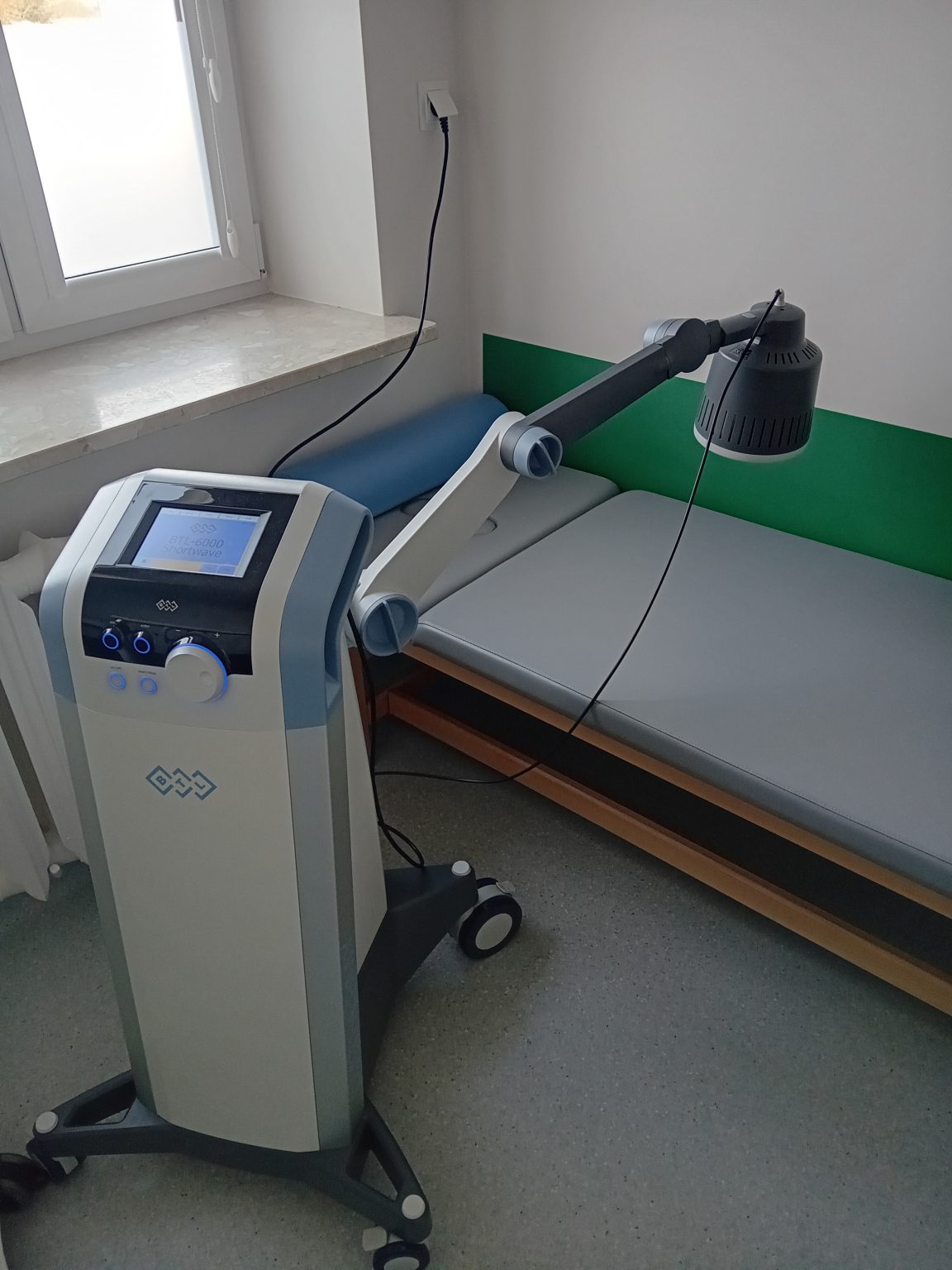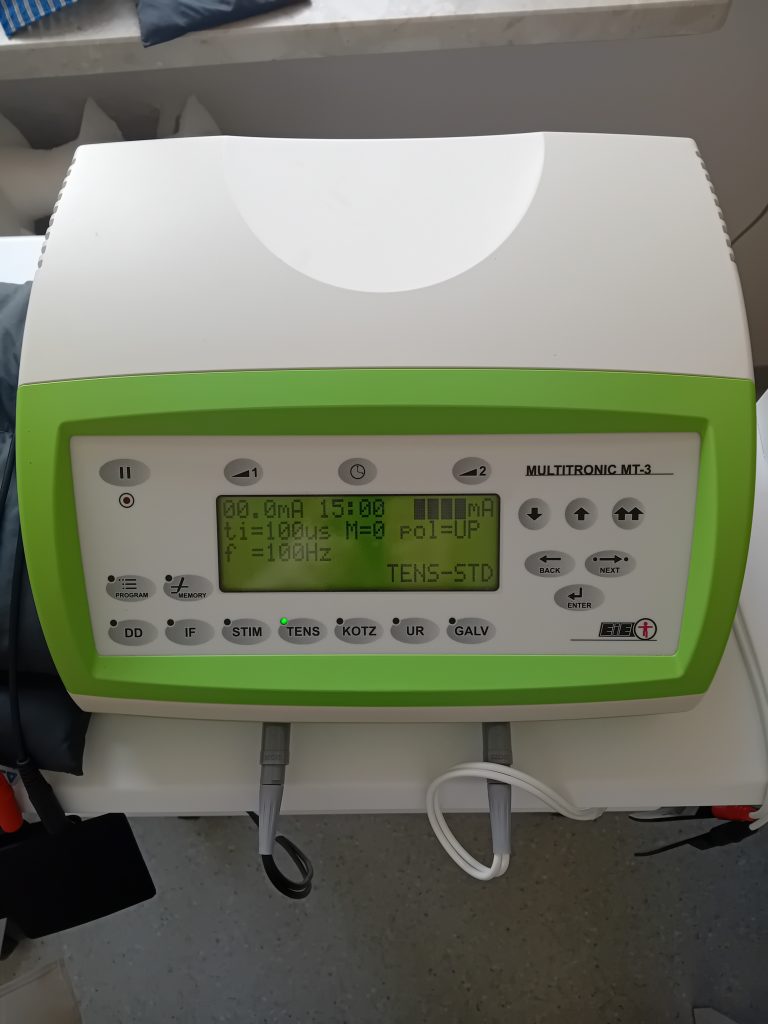
Every day, patients with a variety of conditions – ranging from hand and wrist injuries to back pain and joint disorders – visit the rehabilitation clinic at the Independent Municipal Hospital named after the Polish Red Cross in Białystok. For many of them, rehabilitation offers the chance to regain their mobility without the need for surgery.
The RehabHelpPL-UA project, carried out jointly by the hospitals in Białystok (PL) and Volodymyr (UA), is the response to these needs. The impetus came from a call for proposals under the Programme. However, before the project application was prepared, discussions were underway at the Białystok hospital to identify which aspects required improvement or change to meet the current needs of patients and medical staff.
Following an initial telephone conversation, a delegation from Volodymyr travelled to Białystok. The face-to-face meeting enabled them to define the scope of their cooperation and the direction of their activities.
Although both hospitals specialise in rehabilitation, their day-to-day operations differ. Polish patients most commonly suffer from neurological problems, joint conditions and limb injuries, whereas on the Ukrainian side the situation is much more difficult due to the effects of the war.
That is why one of the key elements of the project is the exchange of experiences between specialists from both hospitals. This enables doctors and physiotherapists to learn about different treatment methods and consult on more complex cases.
One of the most visible outcomes of the project is the comprehensive modernisation of the rehabilitation clinic in Białystok. The clinic has been refurbished, and the equipment purchased as part of the project includes, amongst other things, electronically adjustable rehabilitation stairs, a CPM machine for passive shoulder joint exercises, and equipment for ankle and knee rehabilitation. The choice of equipment was based directly on the needs reported by physiotherapists working with patients daily. The new equipment will expand the range of therapies, improve staff working conditions, and increase patients’ chances of a faster recovery.
The RehabHelpPL-UA project involves not only investment in infrastructure and equipment at both participating hospitals, but also the development of cooperation between their specialists. To this end, the hospitals have invested in a teleconsultation system that will enable doctors to discuss complex clinical cases.
An agreement setting out the terms of this cooperation is currently being drawn up, in accordance with the legislation in force in Poland and Ukraine.
Training sessions for medical staff are a key part of the project. Some of these are held online, but face-to-face sessions are also planned. One such session is scheduled to take place at the Białystok University of Technology.
In the future, the hospital in Białystok would like to acquire a similar device.
However, the creators of the RehabHelpPL-UA project emphasise that what matters most is what remains once the project has ended. Alongside the investment and modern equipment, the relationships between the people who work with patients on a daily basis are just as important.