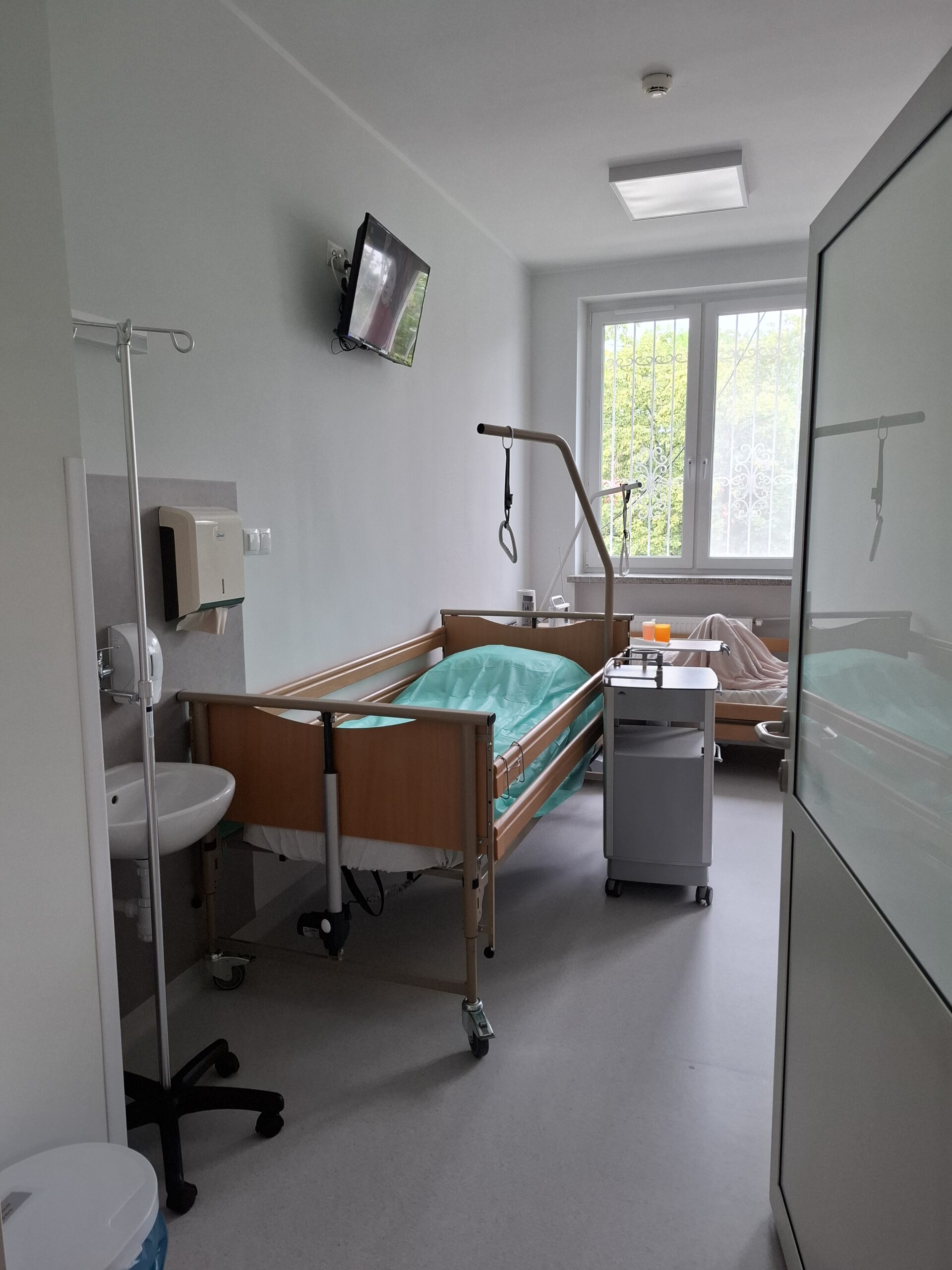
For many months, the patient had been unable to change his body position independently. Every movement caused pain, while everyday care required a tremendous effort from both medical staff and his family. Today, thanks to a modern rehabilitation bed with electrically adjustable positioning, he can sit up independently and experiences less discomfort. For his family, it has brought a greater sense of safety and relief in everyday care.
This is not just the story of one patient. It is an example of the changes made possible by the TransCare project, implemented by the Independent Public Healthcare Facility (SPZOZ) in Siedlce and the Medical Rehabilitation Centre for Participants of Military Operations of the Territorial Community of the City of Lutsk.
The results of the project can be measured by the number of renovated rooms, equipment purchased or investments completed. Their true significance, however, can best be seen in the everyday work with patients and their families, as well as in the relationships and cooperation among medical staff.
Shared challenges require shared solutions
Population ageing is one of the greatest challenges facing healthcare systems in Europe today. Longer life expectancy, an increasing number of patients with chronic diseases and growing demand for long-term care, palliative care and rehabilitation make it necessary to develop models of care that respond to patients’ changing needs.
The project partners combined their experience to jointly develop care for people with chronic illnesses, reduced independence and those requiring long-term treatment and rehabilitation. The aim of the project was not only to modernise infrastructure, but above all to create conditions in which patients can receive comprehensive, safe and dignified care.

Thanks to advances in medicine, we are living longer, which naturally increases the proportion of senior citizens in society. An ageing population means a growing demand for long-term care. We knew that we had to respond to these needs
Modern infrastructure is a tool, not an end in itself
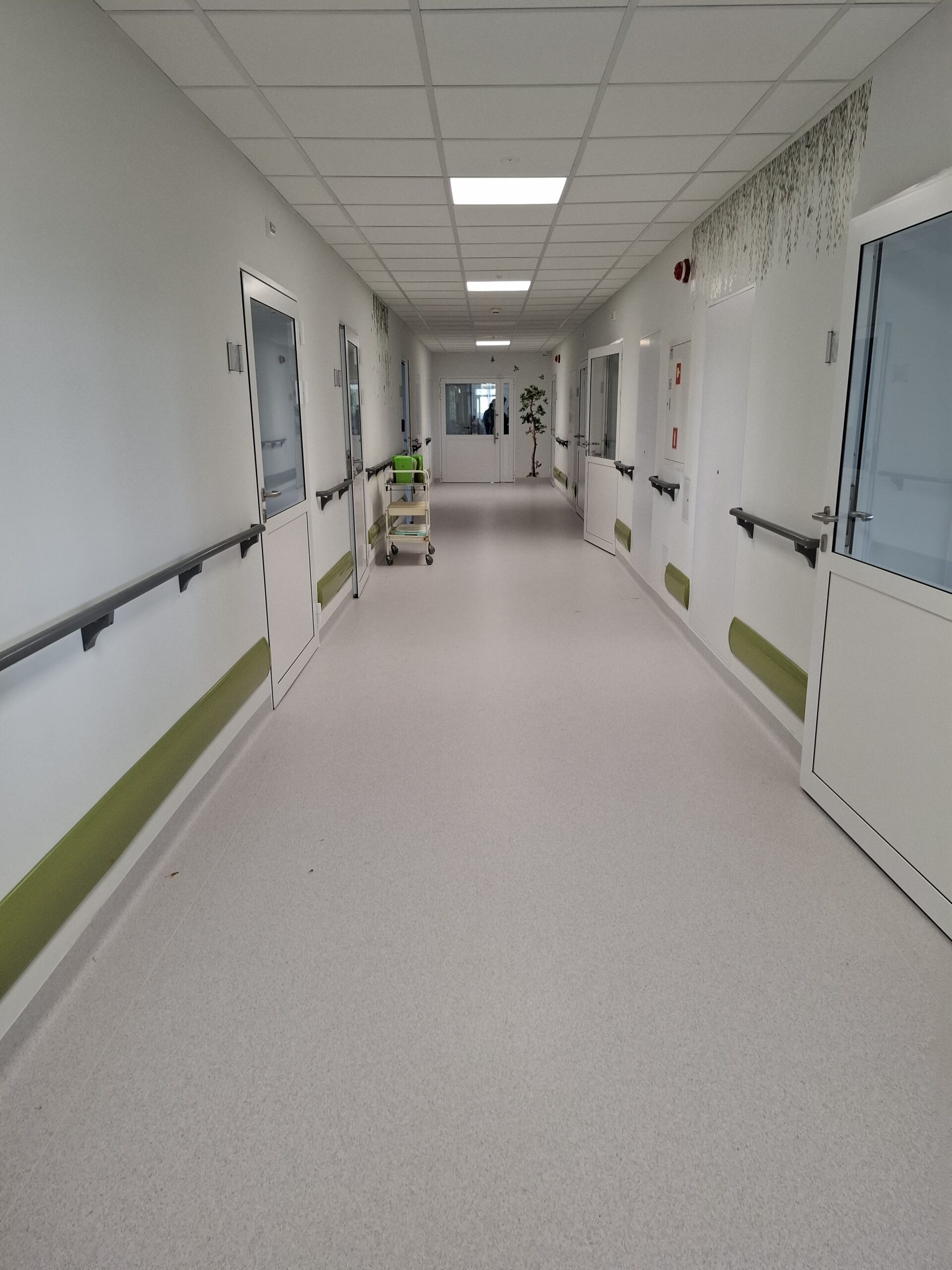
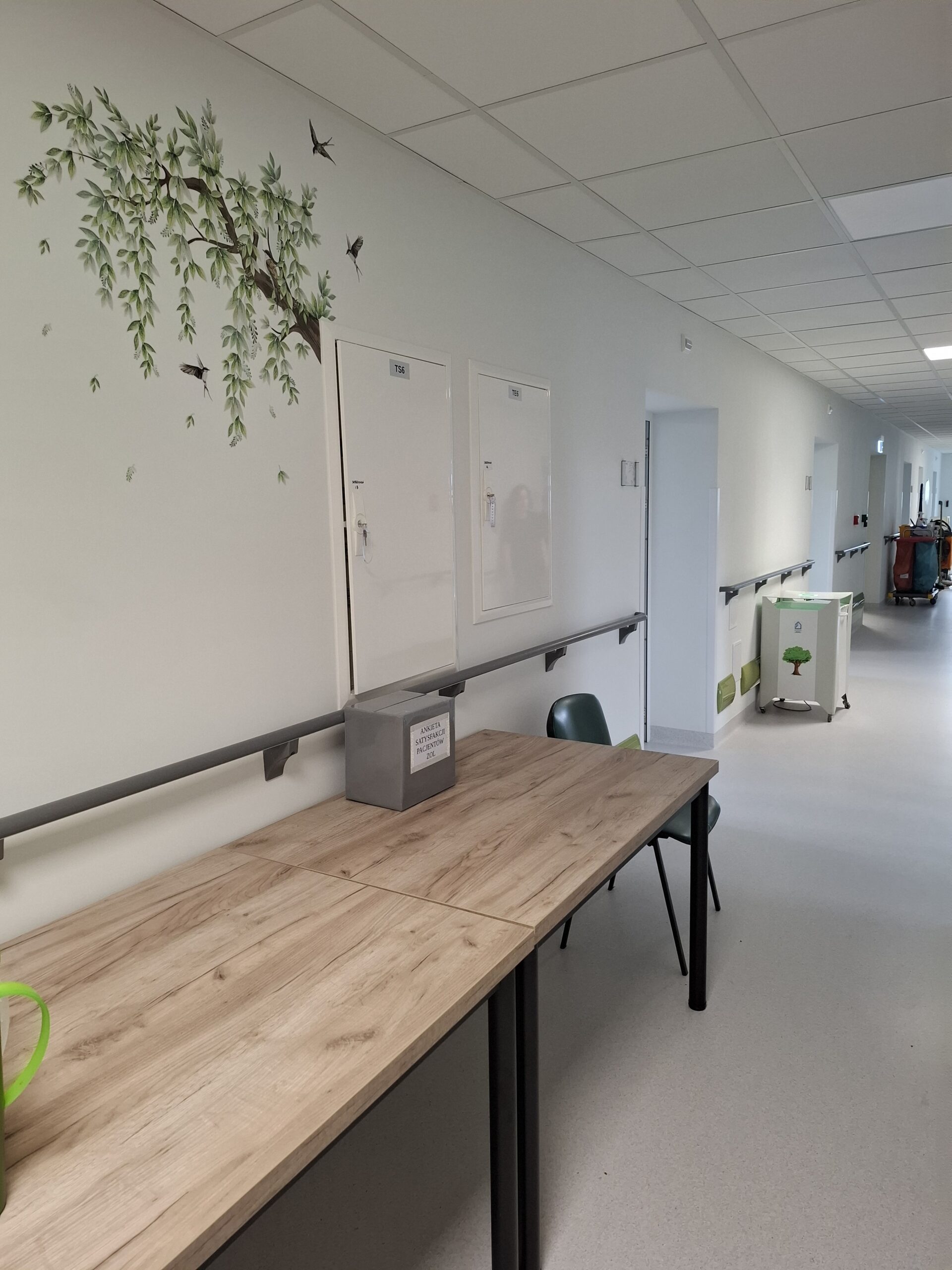
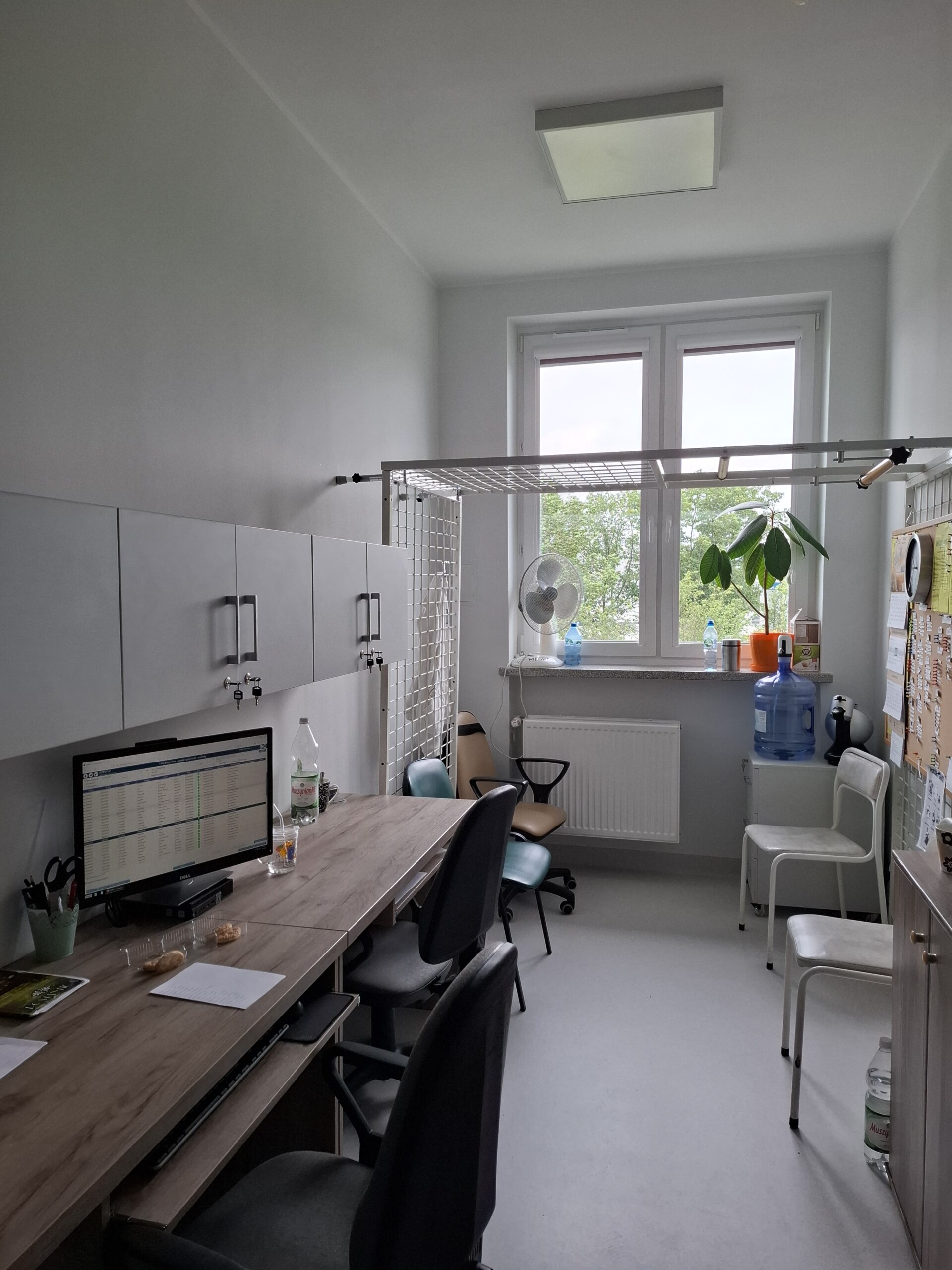
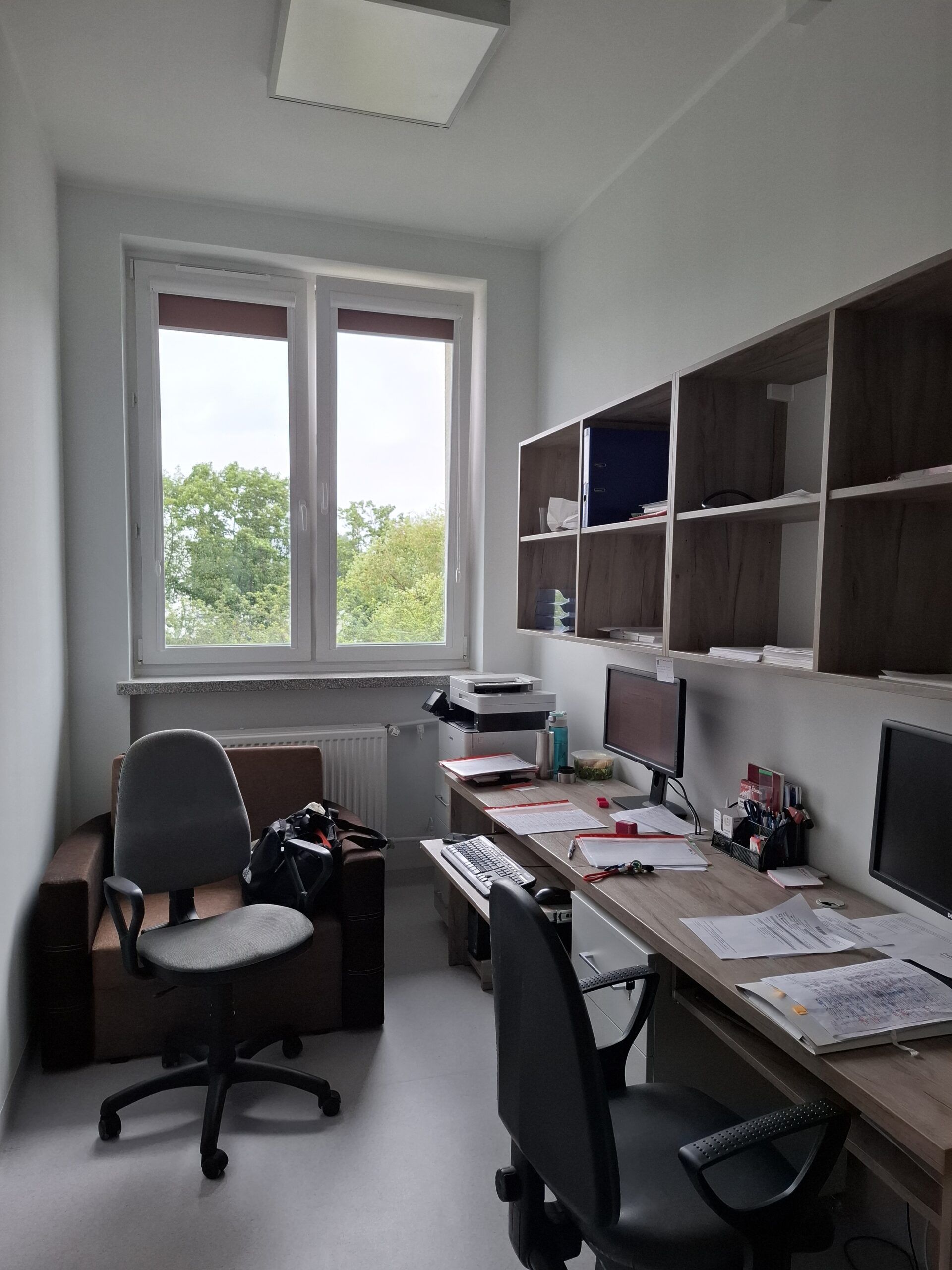
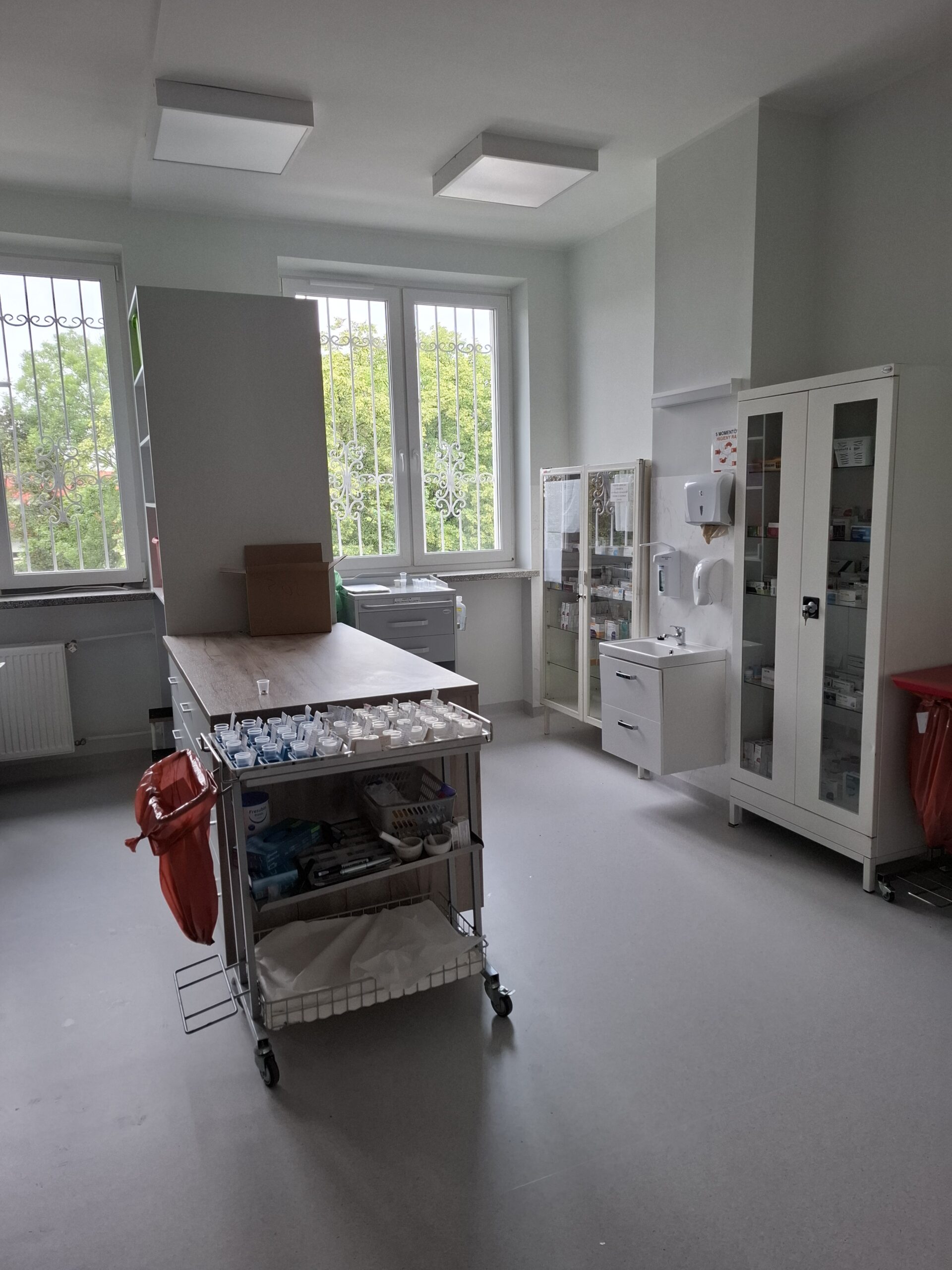
The TransCare project included the modernisation of infrastructure and the purchase of additional equipment for SPZOZ in Siedlce units providing care to patients with chronic illnesses, patients undergoing rehabilitation and patients receiving palliative care.
The equipment purchased includes, among other things, specialised rehabilitation beds, nursing and rehabilitation equipment, devices supporting diagnosis and therapy, equipment improving patient safety, as well as an ambulance enabling more efficient delivery of healthcare services. The modernisation also covered rooms, technical installations and spaces used on a daily basis by patients and medical staff.
In practice, this means:
- improved safety during hospitalisation,
- greater patient comfort,
- better conditions for rehabilitation,
- greater opportunities for patients with reduced independence to perform certain activities on their own,
- reduced risk of complications associated with prolonged immobilisation,
- improved ergonomics and working conditions for medical staff.
Thanks to the modern equipment, some care and nursing activities can be carried out more safely and with less physical strain for both patients and medical staff.
Patient dignity is the most important measure of success
Although modern equipment makes everyday work more efficient, its importance is best understood by the patients themselves. The ability to change position independently, move around more safely or participate more effectively in rehabilitation affects not only their physical condition:
The most important outcome is greater dignity, safety and comfort for people who are going through the most difficult period of their lives
Support for families and caregivers
Care for a person with a chronic illness does not end when hospitalisation is over. It is a daily effort for families who often take on the role of caregivers for many months or even years. Modern equipment and the development of long-term care also provide tangible support for them. Safer patient transfers, easier nursing care and greater independence for the patient reduce the physical burden on family members.
One of the stories that best illustrates the importance of the project comes from those who work with patients every day.
A bedridden patient who has been confined to bed for many months can change position or sit up without pain, and relief and a smile appear on the faces of both the patient and their exhausted caregivers. In moments like these, we see that every investment has, above all, a human dimension
A partnership that took on a new meaning
The project began as a response to shared challenges related to population ageing. During its implementation, the outbreak of the war in Ukraine completely changed the context of cooperation. Cross-border cooperation ceased to be merely an element of an EU-funded project. It also became a platform for exchanging experience and providing mutual support under rapidly changing circumstances.
The SPZOZ team in Siedlce shared its knowledge of the organisation of the healthcare system, the implementation of international projects and obtaining external funding. The partners from Lutsk shared their experience of operating a medical facility in conditions of war, humanitarian crisis and an increased influx of patients.
The partnership not only enabled us to exchange experience in healthcare organisation and crisis management, but above all showed that international cooperation can provide real support to people, even under the most difficult circumstances. Health and patient safety know no borders
Despite the need to adjust the project implementation schedule to the changing geopolitical situation, the project was completed in line with its key objective: improving the quality of care provided to patients.
This is just the beginning
Following the completion of the project, the partners are left with modernised facilities, specialised equipment, better-trained staff and valuable experience gained through international cooperation.
The most lasting impact, however, is something that cannot be captured in statistics or reports: a greater sense of safety among patients and an improved quality of their everyday lives.
This project shows how infrastructure, equipment and cooperation between healthcare institutions can translate into better everyday patient care. It also demonstrates that even seemingly small changes, such as being able to sit up independently without pain, more effective rehabilitation or a few minutes of respite for a caregiver, can improve the quality of life of an entire family.
It is in these everyday moments that the true value of the project can be seen.