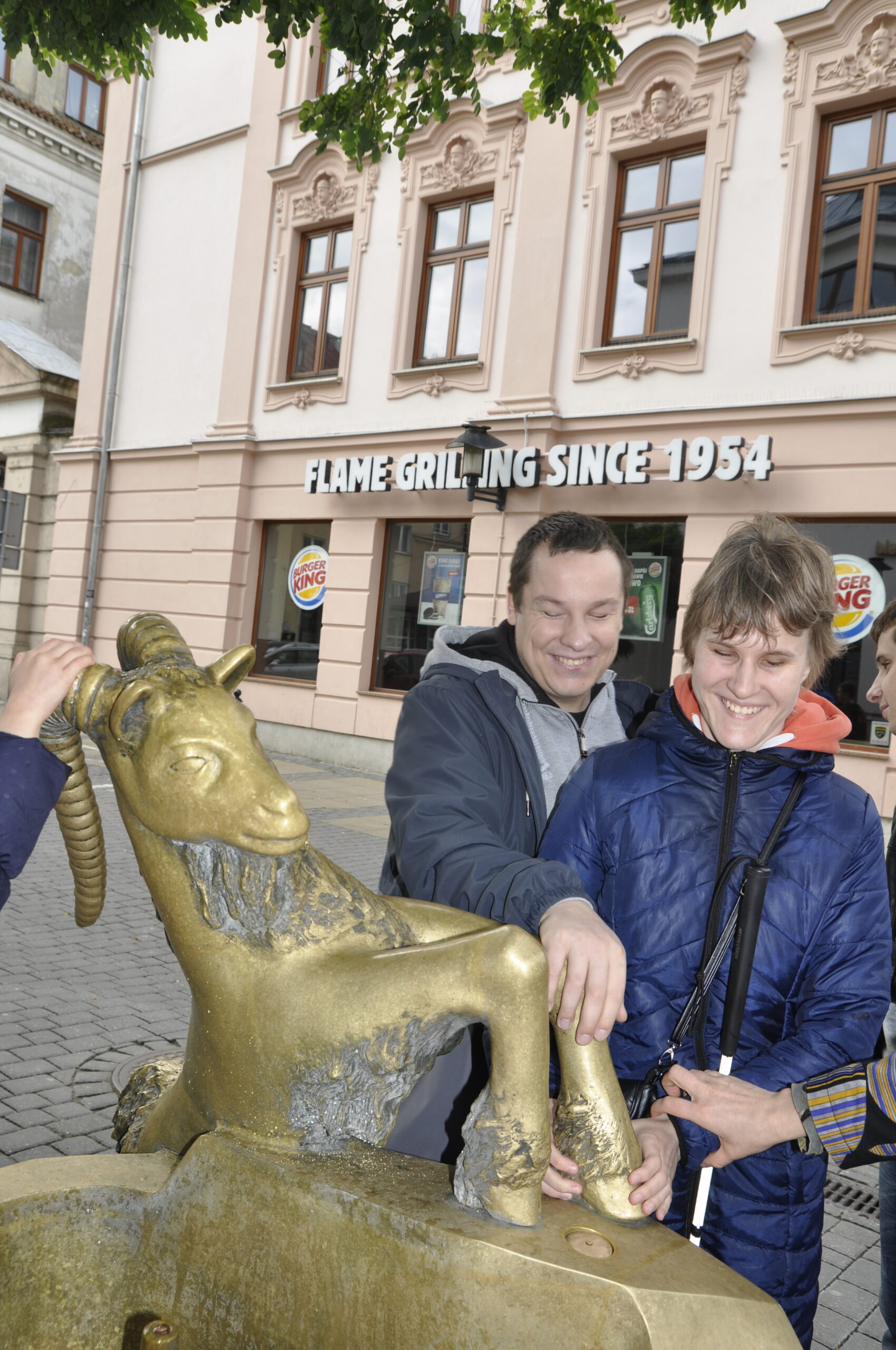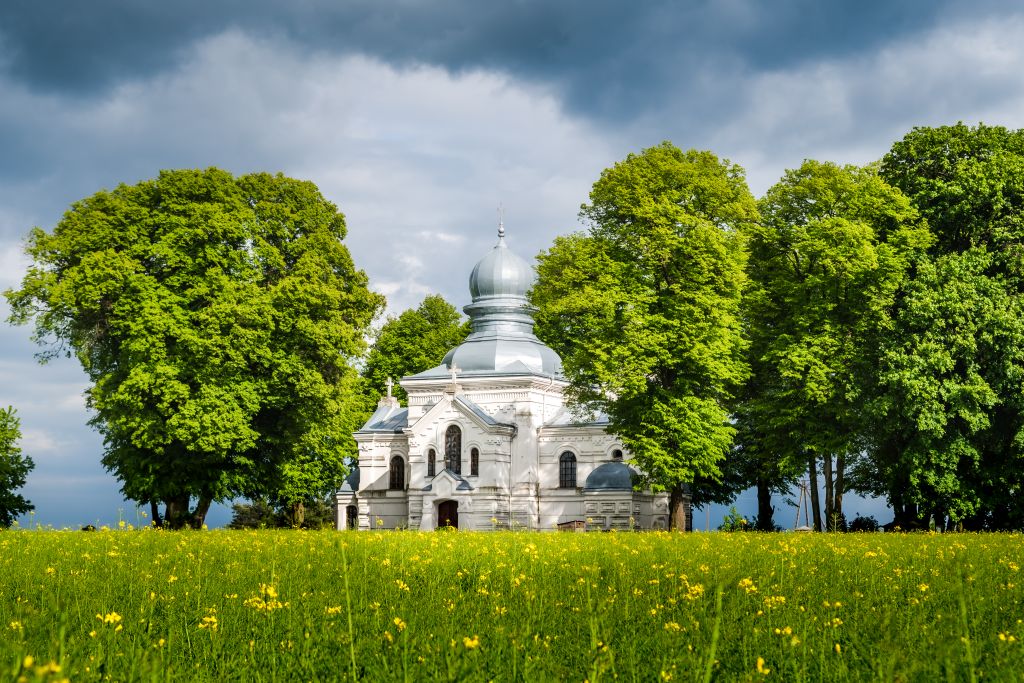
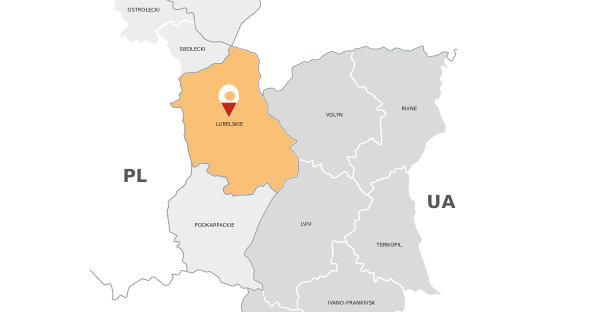
The Lubelskie Voivodeship is a picturesque region located in eastern Poland, right on the border with Ukraine. It is a fascinating mosaic of history, culture and a dynamically developing economy. As the easternmost region of the European Union, Lubelskie region is the gateway to Eastern Europe, combining tradition with modernity. It is characterised by a unique combination of rich cultural heritage, strong folk and agricultural traditions, and dynamic development in innovative and modern technology sectors.
Lublin, the capital of the voivodeship, was once a royal and parliamentary city, located on an important route from Cracow to Vilnius. Today, it is located on transcontinental European routes, which further strengthens its economic and transport importance. It was in Lublin, during the Sejm (parliament) in 1569, that the Union of Lublin was signed, uniting the Crown and the Duchy of Lithuania into the Polish-Lithuanian Commonwealth. The most enduring reminder of the golden age of the Jagiellonian dynasty is the original architectural style known as the Lublin Renaissance.

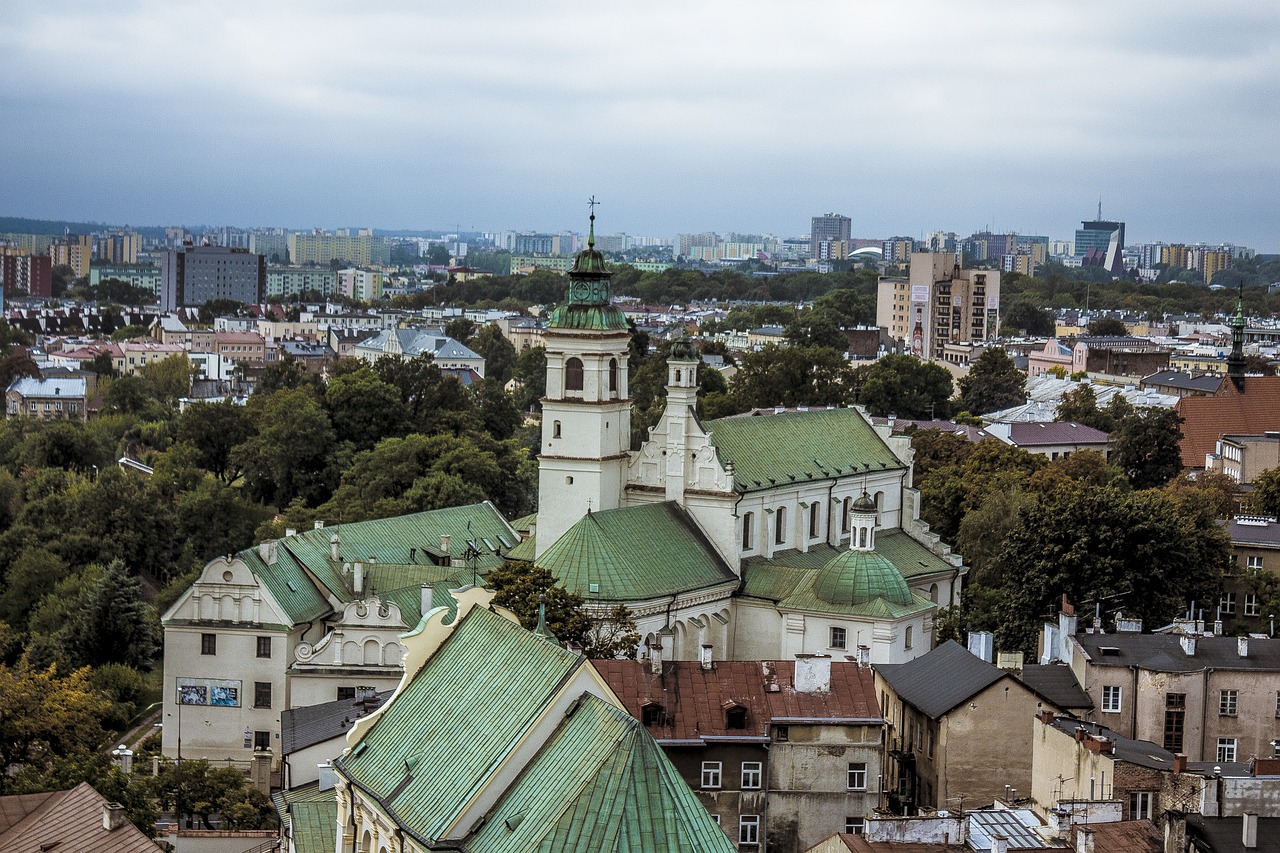
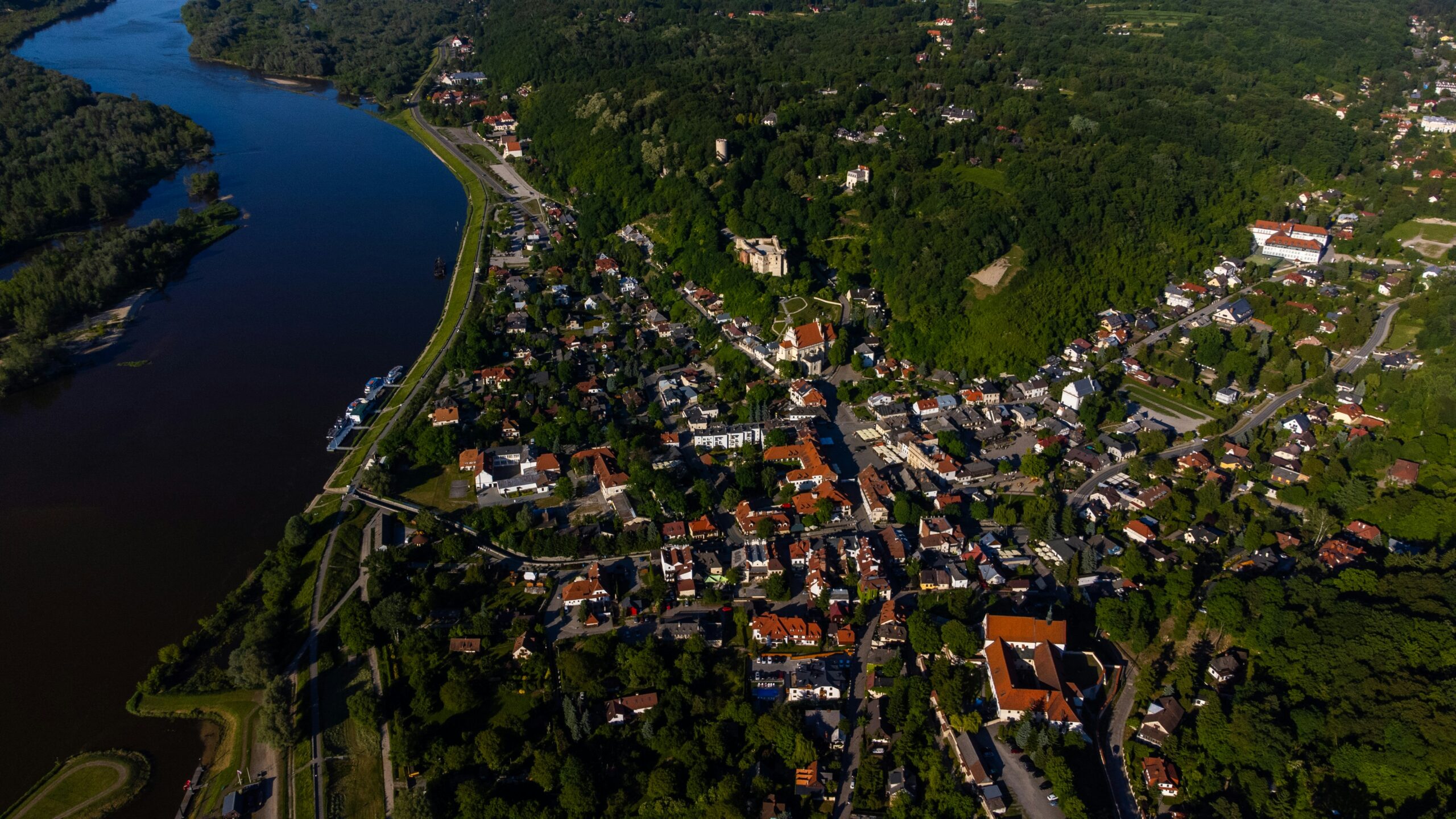
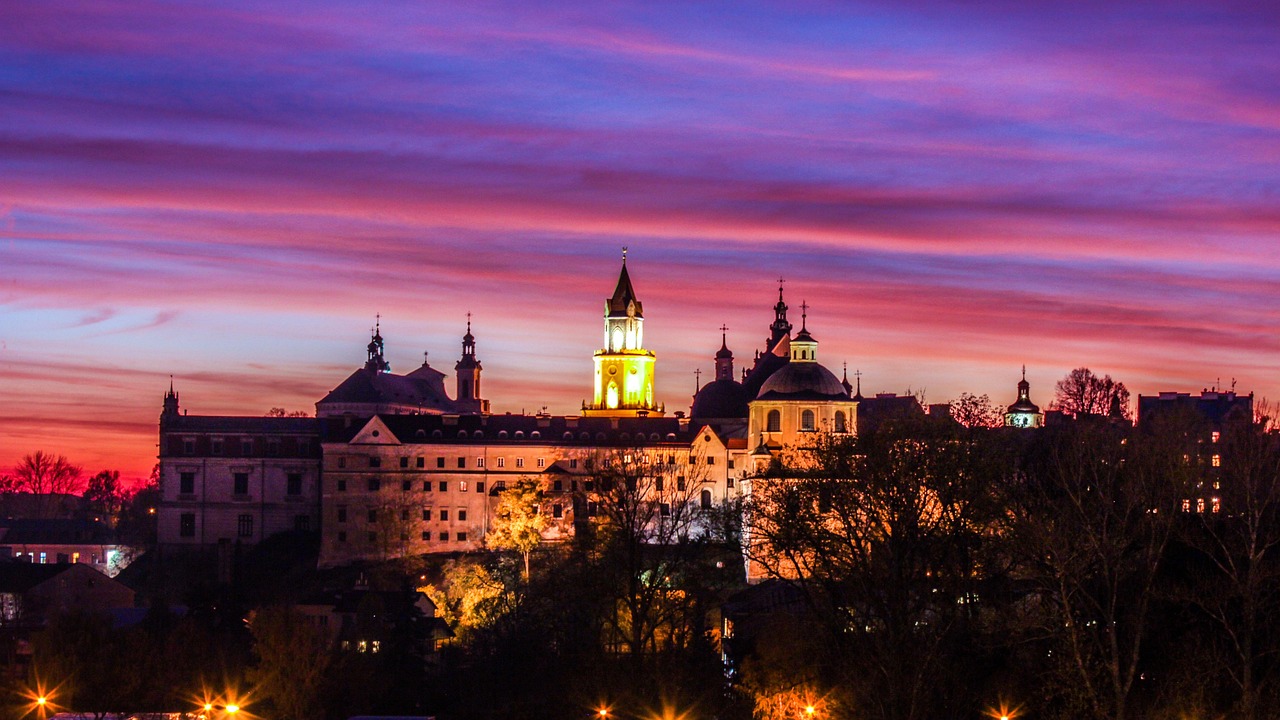
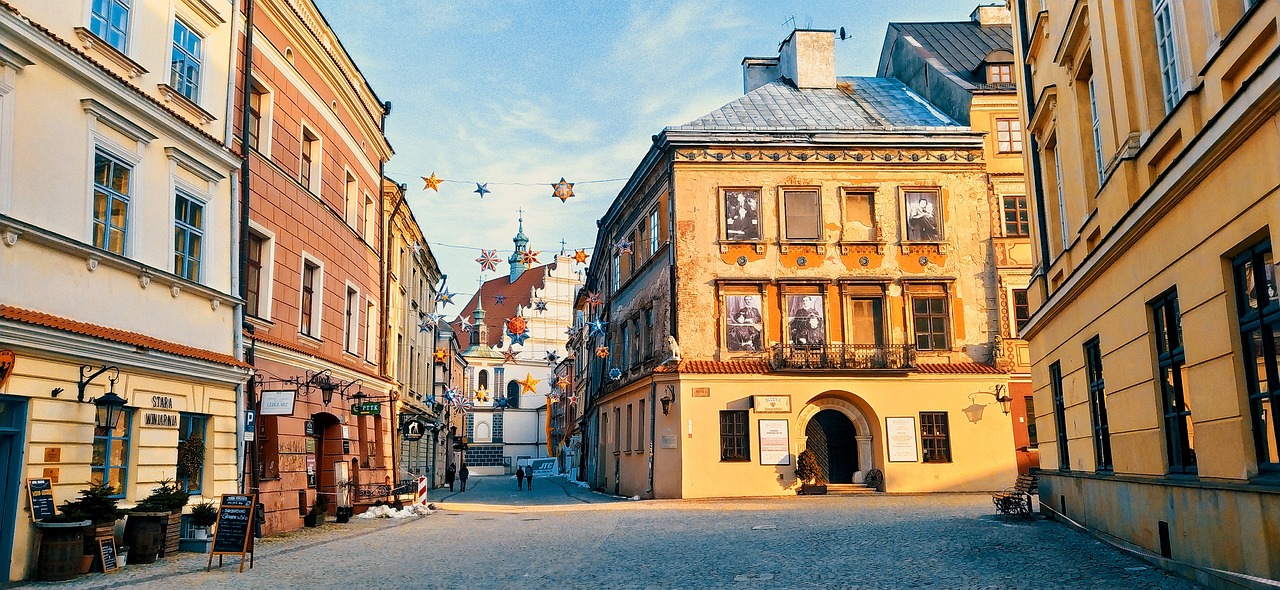
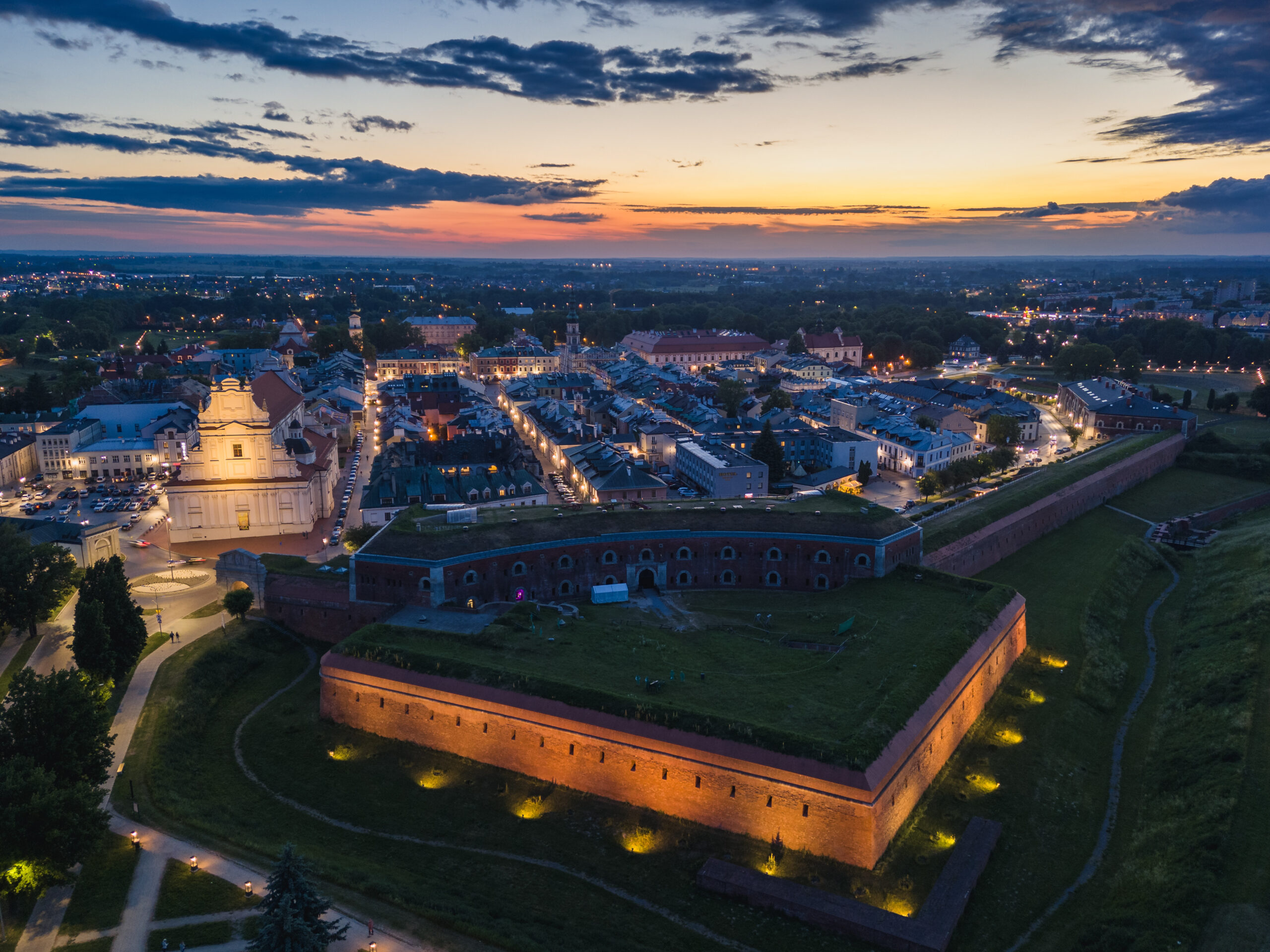
Among the most valuable tourist attractions in Lublin, it is worth mentioning the Old Town, Lublin Castle with the Castle Tower (Donjon), Lublin Cathedral, Trinitarian Tower and Lublin Underground Route. When travelling around the Lublin region, it is also worth visiting Zamość – a city with a unique architectural and urban complex of the old town, which is a gem inscribed on the UNESCO World Heritage List and an important point on the Lublin Renaissance Trail. Kazimierz Dolny, picturesquely situated on the Vistula River, is also worth special attention. It is famous for its Renaissance buildings, historic granaries and artistic atmosphere. The town attracts tourists with its charming market square, castle ruins and towers, as well as numerous loess gorges, which are ideal for hiking.
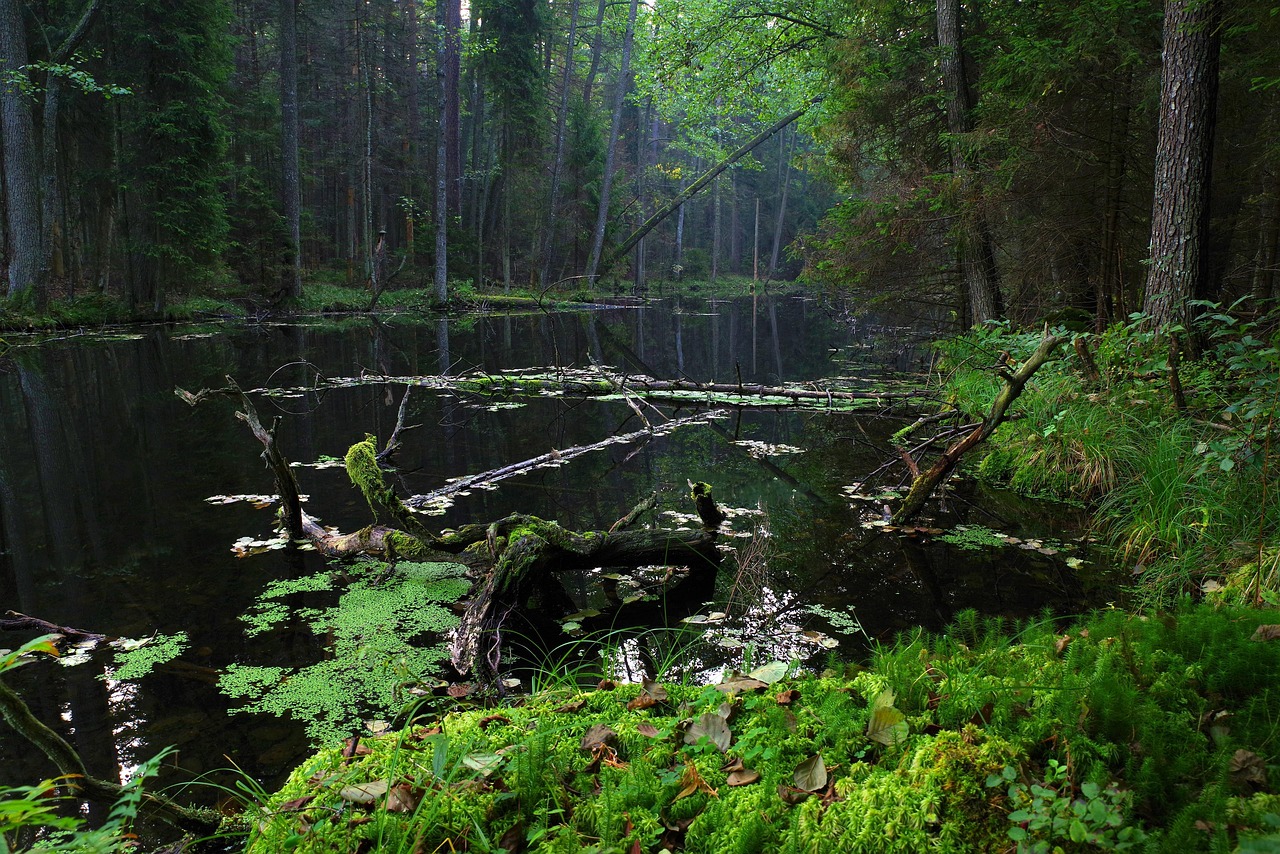
Lubelskie is a region located between the Vistula and Bug rivers, rich in nature, with two national parks: Roztocze and Polesie.
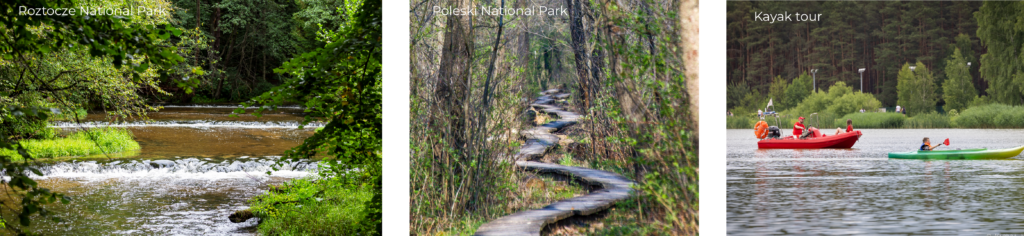
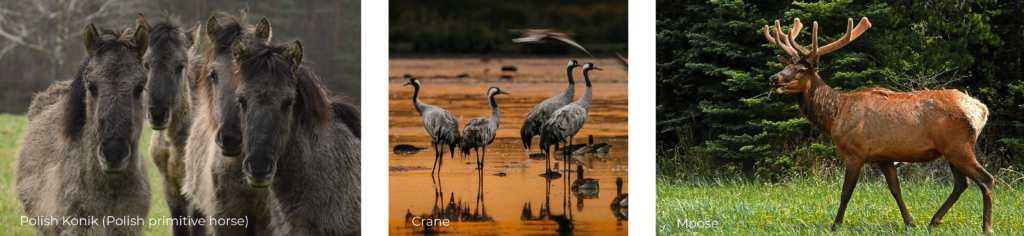
Polesie National Park, one of the youngest in Poland, has preserved for posterity the image of the former Polesie with its undisputed king – the elk. The educational and nature trails in the park stretch for kilometres of wooden footbridges over swamps and peat bogs, leading through forests, meadows and lakes. Some of them are Nordic walking and hiking trails, ideal for observing as many as 200 species of birds, including cranes and white-tailed eagles. Polesie, through which the Bug River flows, is a place where the traditions of Orthodox Christianity, Catholicism and Judaism intertwine, and the Tatar mizar is a remnant of the region’s Islamic inhabitants.
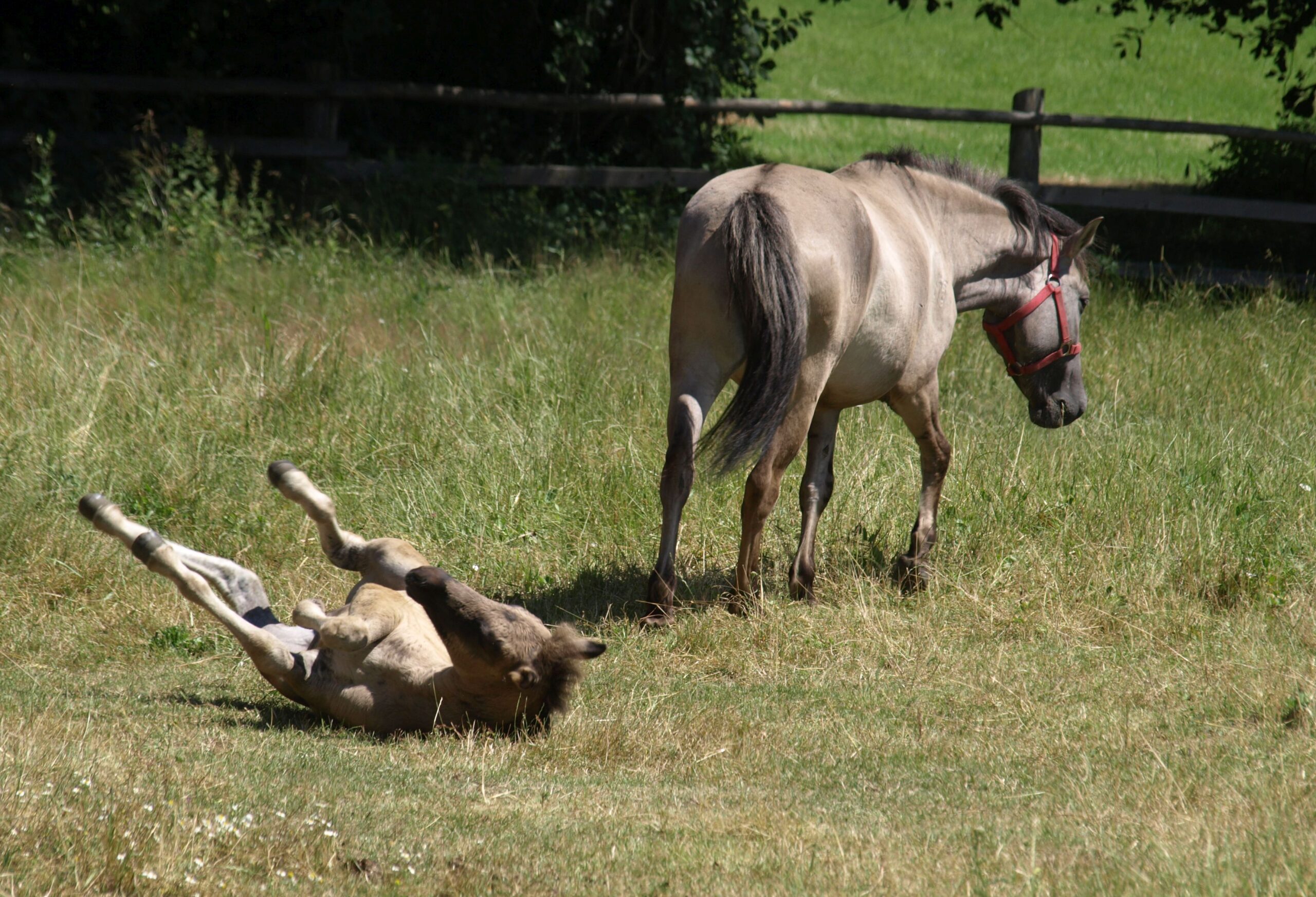
The Roztocze National Park offers beautiful nature and kilometres of walking, cycling and horse riding trails. As much as 93 per cent of its area is covered by forests, mainly fir and beech forests. The symbol of the park is the Polish Konik, a descendant of the ancient tarpan. These animals, weighing up to 400 kg, can be seen up close at the Polish Horse Breeding Centre in the village of Florianka, as well as in the refuges near Echo Ponds and the picturesque town of Zwierzyniec.
The Lubelskie region also offers many opportunities for active recreation on the water. Kayaking trips are particularly popular, allowing visitors to admire the picturesque landscapes of the region from a completely different perspective. Among the most popular routes are the Bug and Wieprz rivers, ideal for both beginners and more experienced kayakers.
The Lublin Voivodeship is a place of inspiration, hosting many interesting cultural and tourist events, with something for everyone. The most famous events in the region’s capital include: ‘the Carnival of Magicians’, the Jagiellonian Fair, the Lublin Jazz Festival, the Night of Culture, Multicultural Lublin and the Lublin Legends Festival. In Zamość, you must see the Storming of the Zamość Fortress spectacle or take part in the Zamość Theatre Summer. The picturesque Kazimierz Dolny is famous for the ‘Two Riversides’ Film and Art Festival. Other popular events include the Summer Film Academy in Zwierzyniec, the ‘Gryczaki’ Groats Festival in Janów Lubelski, ‘Chmielaki’ in Krasnystaw, and the International Balloon Competition in Nałęczów.
The Lubelskie region also tastes great. Tourists visiting the region can try local dishes and meals inspired by the cuisines of various nations whose representatives once inhabited the Lublin region. The region’s cuisine is a melting pot of different flavours from Poland, Europe and the Orient.
In Zamość, you can eat Armenian ‘chachobili’, ‘basturma’, or beef or mutton skewers. In Włodawa, Polesie cuisine reigns supreme, with its many Eastern flavours based on simple flour and groats products such as blinis, buckwheat pancakes, ‘prażuny’, ‘pelmeni’ and ‘varenyky’. Studzianka and other villages in Podlasie, once inhabited by Tatar soldiers in the service of the Polish-Lithuanian Commonwealth, have preserved the memory of their former inhabitants, among other things, through Tatar cuisine: ‘chebureki’, ‘pieremiacze’, and Tatar pie. However, the most popular symbol of the region’s multinational cuisine is ‘cebularz’ (onion flatbread). ‘Cebularz’ is the first product from the Lublin Voivodeship to be awarded the Protected Geographical Indication label by the European Commission, and it has its own museum in Lublin.
Lublin cuisine also includes delicious buckwheat pancakes (made with buckwheat groats and cheese, baked in a bread oven), which are particularly popular in the south of the region, despite being made from simple ingredients sourced from local farms. The Lubelskie ranks first among Polish regions in terms of the largest number of dishes and products (252) entered on the List of Traditional Products of the Ministry of Agriculture and Rural Development. This is the best proof of the richness of the region’s culinary traditions and the care taken to preserve and promote them.
The Lubelskie region is a region of contrasts – on the one hand, it has a rich tradition and folk culture, and on the other, a modern economy and dynamic development. Its unique geographical location, natural resources and human potential make it an increasingly important centre on the map of Poland and Europe. Despite the challenges related to regional identity and economic transformation, the Lubelskie has enormous potential to become a strong and competitive region while preserving its unique cultural heritage. Discovering the Lubelskie region is a journey through fascinating history, picturesque landscapes and a dynamically developing present.
PROJECTS
PBU PROJECTS

As a border region, the Lublin Voivodeship has placed particular emphasis on improving security, border management and transport accessibility as part of the Poland-Belarus-Ukraine Programme 2014-2020.
The SAFETY, Borderprotect, BCPmonitoring, Weightcomplex, FriendlyBorders, OpenBorders Zosin and RDW812 focused on modernising roads leading to border crossings, expanding vehicle inspection and weighing systems, and improving traffic organisation, which resulted in smoother, safer movement of people and goods and better accessibility of the eastern part of the region. At the same time, the RESCUE, EpidSafe, ECORoads, SafeTraffic and Accessibility initiatives strengthened the capacity of rescue and medical services and raised residents’ awareness of safety, combining investments in equipment and infrastructure with educational activities. Of particular importance was the L4U project ‘Lubelskie for Ukraine’, which, as the region’s response to the consequences of the war, supported the health care and energy security systems in partner regions of Ukraine, including through the provision of ambulances, medical equipment and equipment necessary to provide immediate assistance.
In the area of the environment and nature tourism, the Bio-reserve, PLUARoztocze, UPLA, OPALYN, GORGANY_HERITAGE, MATSYK and VeloFort focused on protecting the valuable ecosystems of Roztocze and Polesie and developing cycling and walking routes, combining the creation of tourist infrastructure with environmental education and joint nature monitoring on both sides of the border. Thanks to this, the Lubelskie region was able to consistently strengthen its image as a destination for active and environmentally friendly tourism, where cycle routes, educational trails and small infrastructure encourage people to explore nature without placing an excessive burden on it. The cultural dimension of the Programme was also very strong. The EthnicHeritage, Muzea PL/BY, GothicWay, VetHeritage, TowersMysteries, KraszewskiPolesie, TwoTowers, TouchingThePast, MeetCul, 2cultures, GAMPOL, TogetherNow, MuzA and HemarHeritage served to protect and revive the multicultural heritage of the region, including the renovation of monuments, the creation of thematic trails, the organisation of cultural events and the development of a joint tourist offer with partners from Belarus and Ukraine. In turn, the East_promotion, VIRTOUR, PUFL, K&K:PolUA, BEC and other promotional initiatives used digital tools, new forms of promotion and marketing activities to present the tourist and cultural offer of the borderland, thanks to which the Lubelskie Voivodeship became increasingly recognised as an interesting destination for travel and cooperation.
PL-UA PROJECTS

As part of the Interreg NEXT Poland – Ukraine 2021-2027 Programme, numerous projects are being implemented to address common challenges in border areas in the fields of environmental protection, water management, climate change adaptation, safety and health protection.
Environmental projects such as GreenAction, BIODIVERSITY and ZeroHeracleum constitute a significant group, aiming to protect areas of natural value, preserve biodiversity and limit the negative impact of invasive species on ecosystems.
These activities are complemented by initiatives related to water resource protection and water and sewage infrastructure, including the CleanBugRiver, SewageLink, EcoReserve, WaterProtect, AquaForce and WATER, which focus on the construction and modernisation of sewage networks and wastewater treatment plants, improving the quality of rivers such as the Bug, and sustainable water resource management, which reduces pollution and raises sanitary standards.
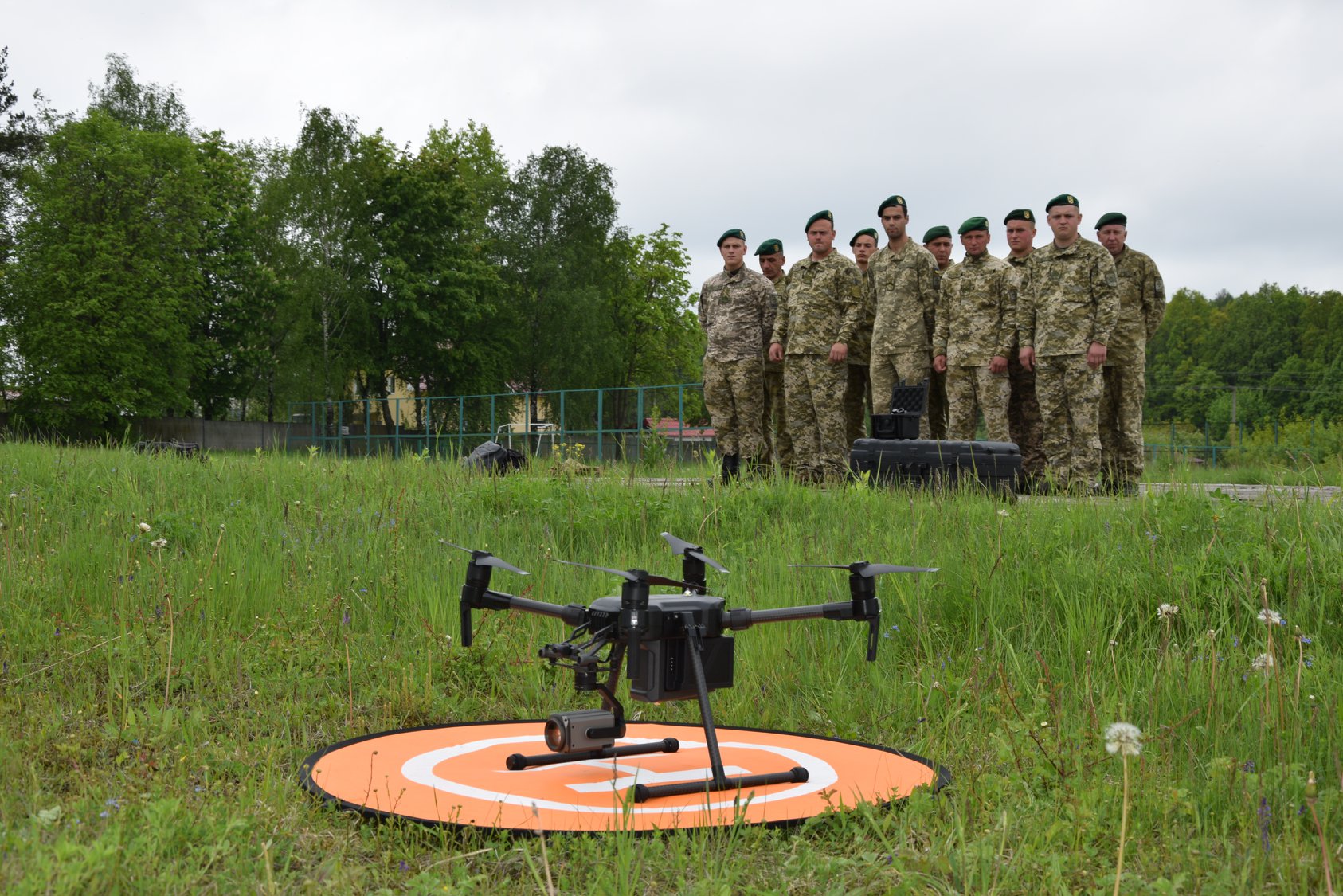
At the same time, the ClimSafe, FireProtection and Fire&Waterproof projects are being implemented to strengthen resilience to the effects of climate change and improve the safety of residents. These initiatives include equipping emergency services with specialised equipment, joint training for services from the Lubelskie region and Ukraine, and the implementation of monitoring and preparedness systems to respond to natural hazards such as fires, floods and extreme weather events.
A significant part of the activities are projects in the field of healthcare, including HealthBridges, WeCare, Rise2Health, CROSSDIAM and PL-UARehab. Their aim is to modernise hospitals and rehabilitation centres, implement innovative treatment methods, train medical staff and improve access to preventive and therapeutic services on both sides of the border.
The projects contribute to strengthening cross-border cooperation, implementing modern solutions and sustainably improving the quality of life of residents in the areas covered by the Programme.
It is therefore worth taking a closer look at how these activities are assessed by those directly involved in the implementation of the Programme. We talk about the experiences of the Lubelskie Voivodeship and the challenges of cross-border co-operation with Bogdan Kawałko, Head of the Strategy and Development Department at the Marshal’s Office of the Lubelskie Voivodeship and a member of the Programme Monitoring Committee.

How would you assess cross-border cooperation with Ukrainian partners under the Interreg Next Poland – Ukraine Programme 2021-2027?
Which of the projects implemented under the current perspective are of greatest importance to the region?
How do you assess the impact of the projects on local communities?