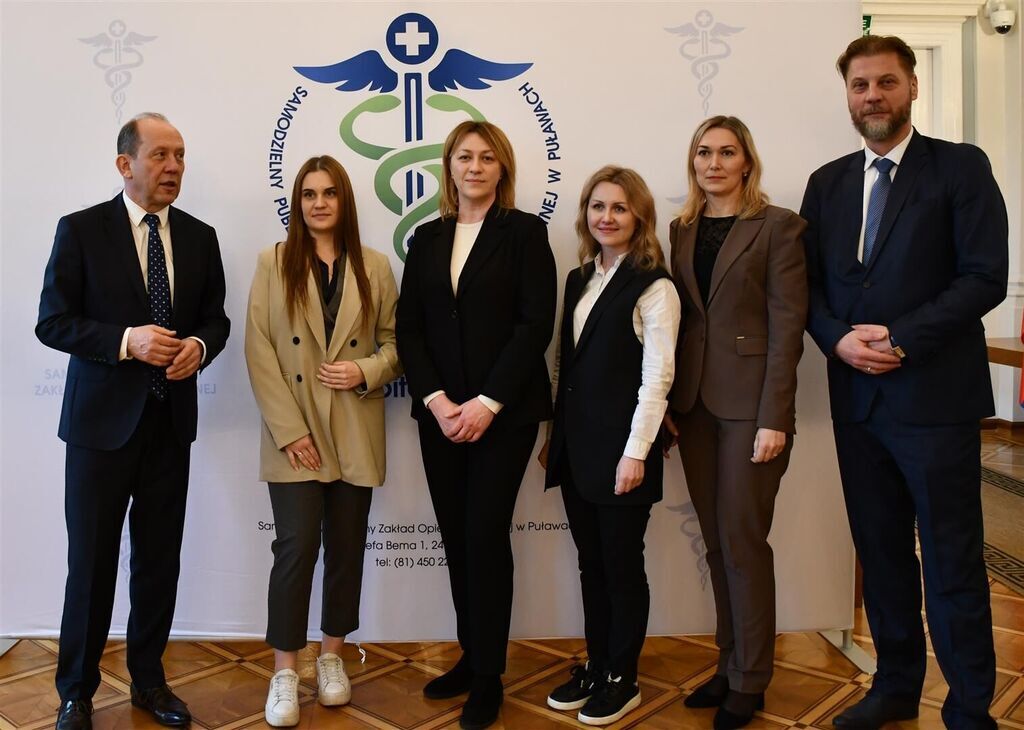
Two cities — Puławy in Poland and Lutsk in Ukraine — are united by a common mission: the WeCare project. Born from the belief that caring for human health transcends borders, the initiative focuses on preventing lifestyle diseases in the Puławy region and Volyn Oblast. The project’s primary objectives are to raise public awareness and enhance preventive and diagnostic measures in neurology, cardiology, and oncology. But how did this story begin?
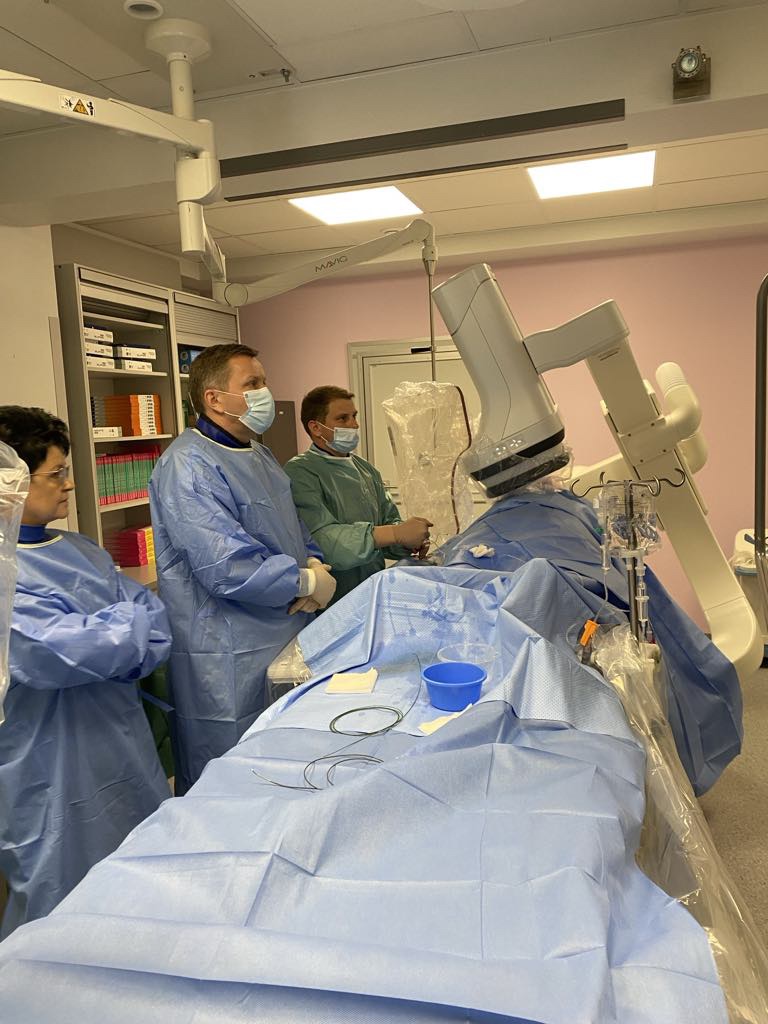
What began as a shared idea quickly evolved into a project whose results now save lives and improve health — not just in theory, but in practice, within operating theatres and diagnostic laboratories. With heart attacks and requiring immediate intervention, time is of the essence. The WeCare partners are committed to providing swift and effective responses, using the best available tools and methods.
The WeCare partnership project is built on real actions, and the funding received opened the door to far-reaching improvements.
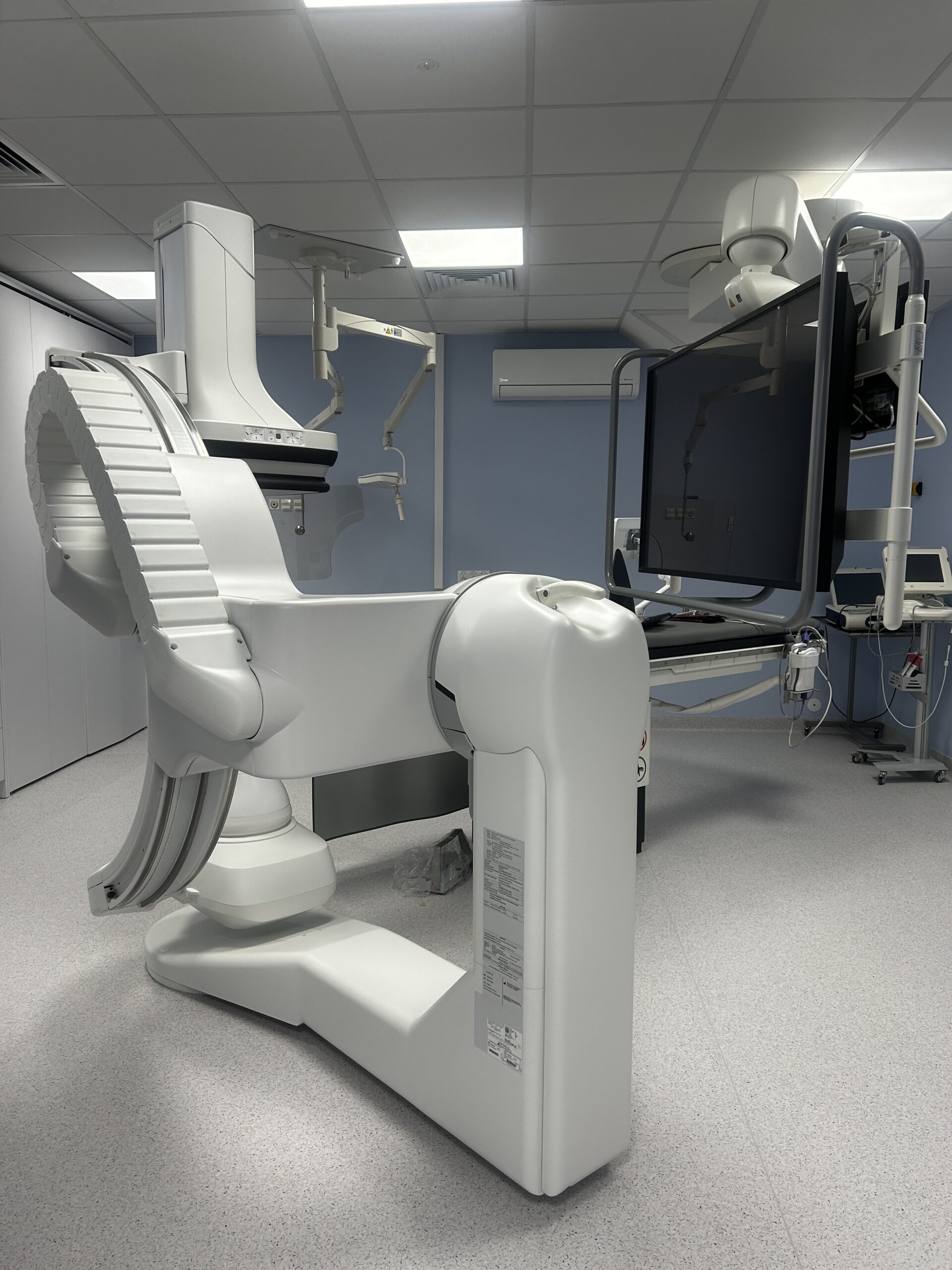
For patients, new equipment means less fear, more accurate diagnostics, greater hope, and faster recovery.
Behind every machine, however, are people – doctors, nurses, and rescuers. Training sessions organised within the project focus on modern diagnostic and treatment methods, ways to shorten response times in cases of heart attacks, and improved rehabilitation for stroke patients. Educational activities such as study visits, training for medical staff, and scientific conferences will help update medical knowledge and improve clinical skills. The project partners will also jointly develop a ‘Handbook on Cross-Border Cooperation for Medical Institutions’.
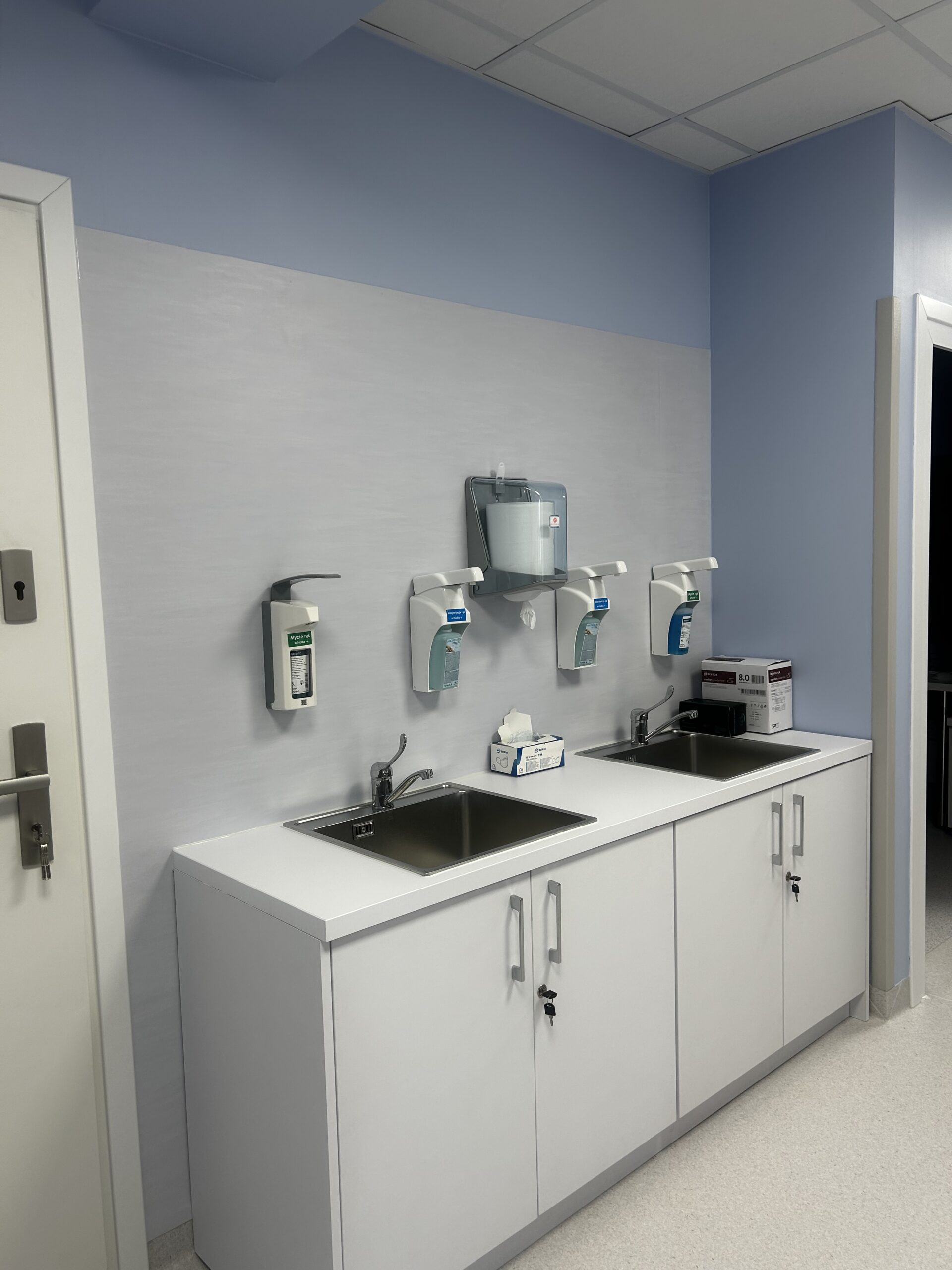
At the same time, the hospital in Puławy will undergo infrastructure modernisation, including the adaptation of a room for an angiograph. Other rooms will also be transformed to meet the standards of modern cardiology and neurology, significantly expanding diagnostic possibilities.
Additionally, the hospital in Lutsk plans to develop and implement a Comprehensive Targeted Programme for the Prevention and Early Detection of Cardiovascular Diseases (LUTSKARD) to raise awareness among residents of the Volyn Oblast about cardiovascular diseases and prevention measures. It will be supported by educational activities such as university meetings, video materials promoting healthy lifestyles, and a broad information campaign.
Thanks to the implementation of the project, residents of both Puławy and Lutsk will receive medical assistance more quickly and more efficiently. The project will increase the number and accuracy of medical procedures, while also improving access to healthcare services. Annually, the hospital in Lutsk is expected to serve 40,000 new patients, while the hospital in Puławy will serve approximately 55,000.
The WeCare project proves that care for health truly knows no borders and that bridges built on trust and cooperation can last for years.
More information about the project can be found at the link.