 Rail-UP
The Rail-UP project responds to transport challenges caused by the ongoing war, which has shifted travel needs and increased passenger and freight flows, thereby creating an urgent need to upgrade existing infrastructure. Its main objective is to modernise railway infrastructure and ensure barrier-free access for people with reduced mobility at Lviv railway station, supporting Ukraine’s European integration through the implementation of EU standards on accessibility and inclusive railway infrastructure.
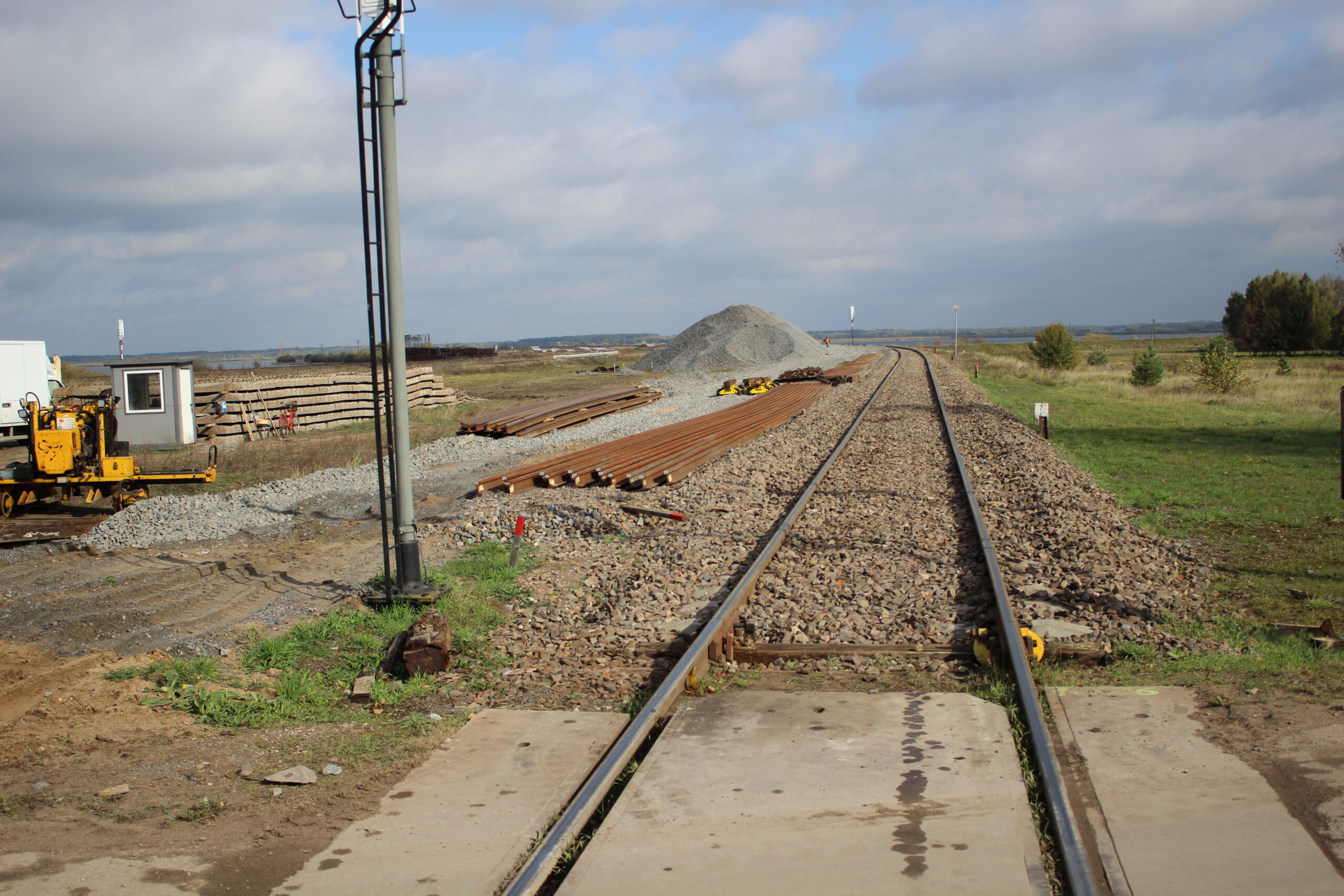
On the Polish side, the project will upgrade the deteriorating infrastructure of line no. 101, last substantially renovated in 1975. Nearly 4 km of track will be replaced, increasing speed from 30 to 70 km/h. The project also includes renewal of the track surface at Werchrata station, replacement of the road surface and modernisation of a level crossing, refurbishment of three culverts, as well as one rail viaduct, and one rail bridge.
On the Ukrainian side, the project focuses on improving services at border crossings, particularly at Lviv railway station, which functions as a key logistics hub. The station currently lacks inclusive infrastructure, limiting access for persons with disabilities, elderly passengers, and others with special needs. Passenger numbers increased to over 3.1 million in 2024, with assistance requests increasing 2.5 times. Within the project, the 2nd passenger platform will be reconstructed to be fully accessible through the installation of two elevators, two escalators, two ramps, and staircases.
The project also strengthens cooperation among Polish and Ukrainian managers, railway operators, and border control guards through five planned workshops and targeted training programmes, which will bring an opportunity to exchange knowledge and experience.
Overall, the Rail-UP project will benefit approximately 3 million passengers annually, including vulnerable groups such as evacuees, injured military personnel, and persons with disabilities. By increasing speeds and improving infrastructure quality, the project will enhance capacity, reliability, and border crossing efficiency, while providing an alternative to roads, routes and strengthening the resilience of the railway system. The final result will be improved safety, better-quality services and more efficient cross-border transport in the border area.
 Lead partner’s website
 Environment - 1.4

 Accessibility - 6.1



 Cooperation - 4.1