You can lose yourself in the lively crowd of a Lviv festival or find solitude in the remote wilderness of the Carpathians. Feel “as if in the West” when coming from the East, or take your first step into an unknown Ukraine when arriving from the West. Enrol in one of the local universities and cherish memories of your student years. Taste an unusual dish in one of the city’s signature restaurants. Start a business taking advantage of convenient logistics, or join a creative community to launch an innovative project. From publishing your first book at the Lviv Publishers’ Forum to listening to opera or climbing your first mountain, the region offers experiences that stay with you for a lifetime.
Residents of Lviv Oblast are accustomed to welcoming visitors and have long embraced their reputation as Ukraine’s leading tourist destination. Lvivians have been proud of their status as the cultural capital and one of the world’s most comfortable, attractive cities to live in. Since the full-scale invasion, the number of people arriving here has not decreased; however, today, Lviv Oblast is spoken of less as a tourist destination and more as a crucial humanitarian hub — a place where those fleeing the war find shelter, where the lives and health of the wounded are saved, and where people can recover and recharge. It is also an important logistics centre and a venue for diplomatic meetings and international events.
What makes it so special?
First of all, it is its location at the crossroads between East and West. Trading routes enabled Lviv to prosper in the past. Today, its location near the Polish and EU borders makes it an important transportation and logistical hub. Important railway, road, pipeline, and power connections link Ukraine with Central Europe. The length of the state border between Ukraine and Poland in Lviv Oblast is 278.2 km, with seven road border crossing points.
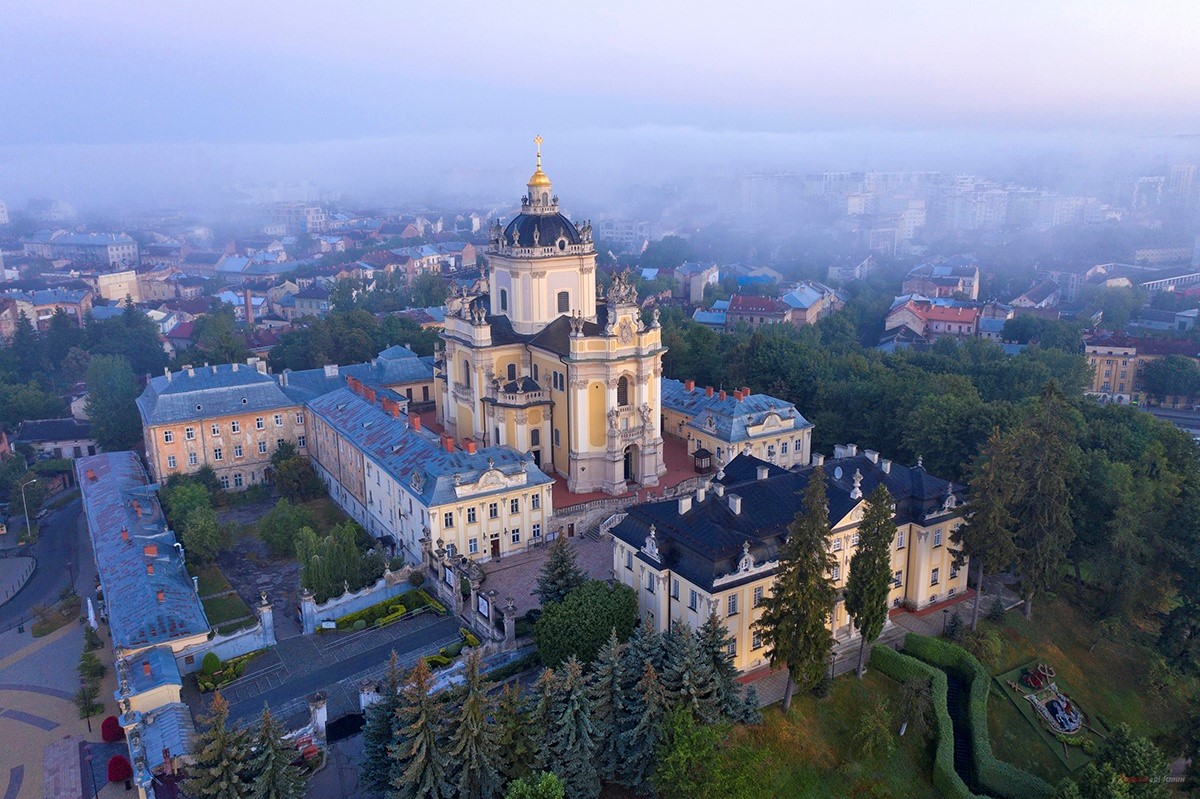
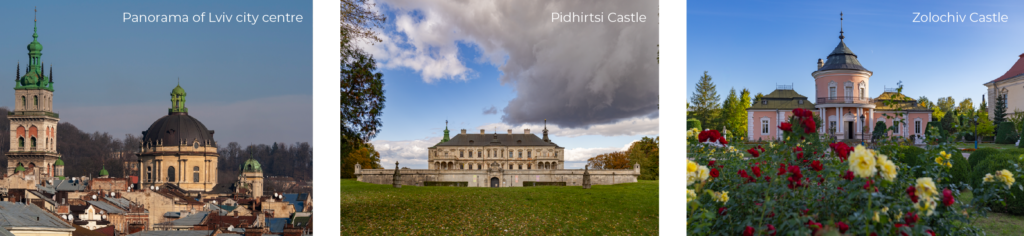
One of the reasons to come here is its historical heritage and diverse cultural life. You can often hear Lviv referred to as the cultural capital of Ukraine. This can be explained by the role it played during its turbulent history. Founded in the 13th century by King Danylo of Galicia, it subsequently became part of Poland, then Austria (later the Austro-Hungarian Empire), Poland again, the Soviet Union and, finally, independent Ukraine. Historically, it has been home to people of different nationalities. Poles, Ukrainians, Germans have shaped its unique character and its culture, but also Jews, Armenians, Italians, and Czechs who lived here. It has been the centre of cultural and academic life, and many prominent names of the past are interwoven into its history. This is also true for the whole Lviv Oblast.
Ancient history lives in the beautiful buildings in Lviv (UNESCO-inscribed Rynok Square, numerous cathedrals and theatres, residential buildings) and beyond the city (castles and palaces, churches and monasteries). But the reputation of the cultural capital is also supported by numerous initiatives in the cultural sector and creative industries as well as world-renowned events such as the ethno-jazz festival “Flugery Lvova”, the classical music festival “Contrasts”, the Lviv Publishers’ Forum, the theatre festival “Golden Lion”, and the Congress of Culture, many of which continue despite the war.
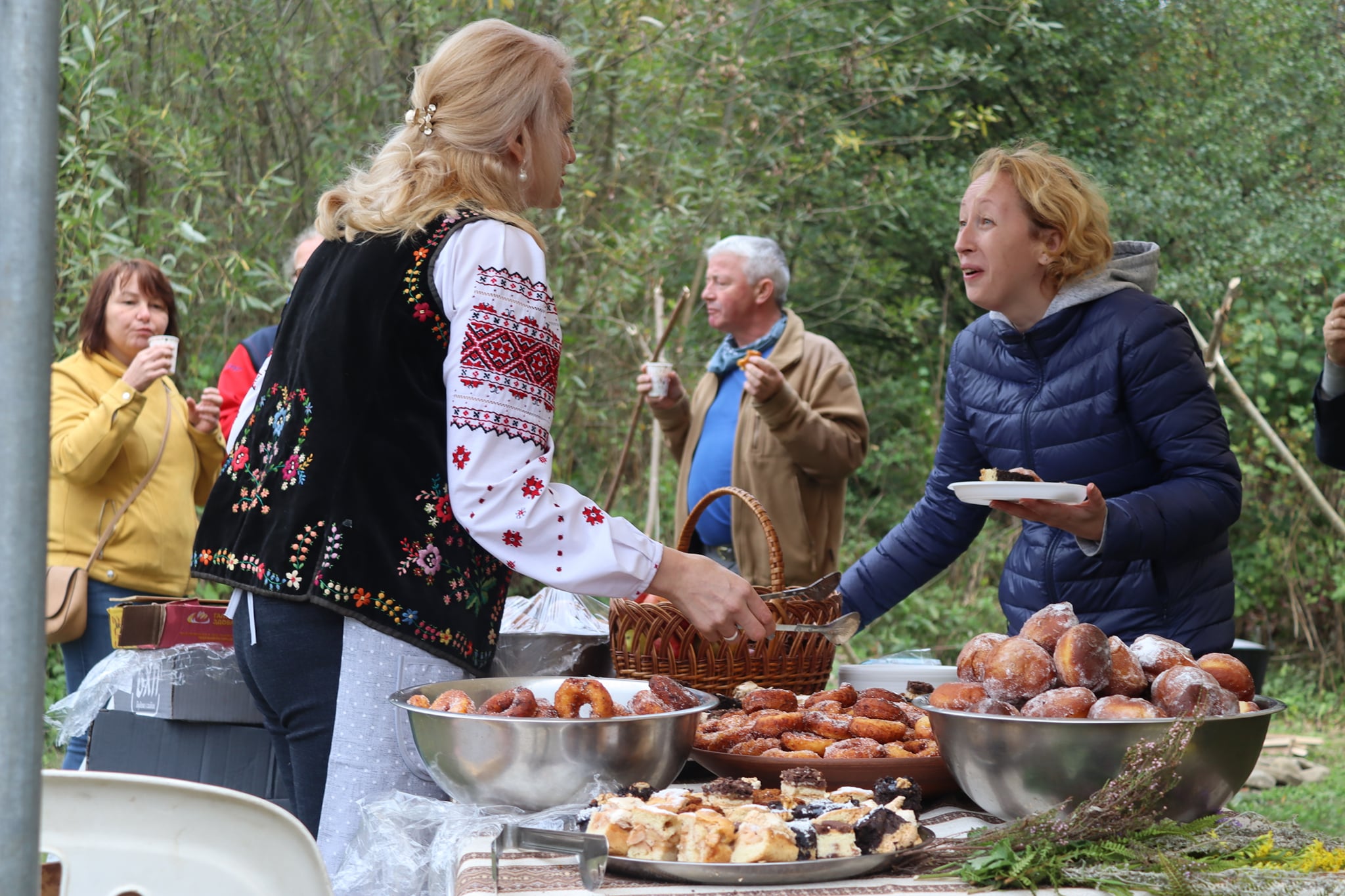
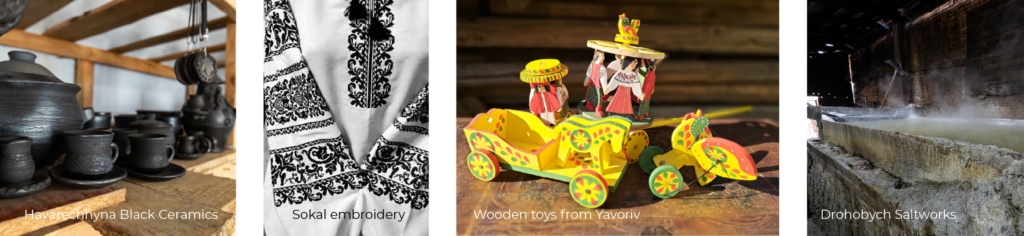
The preservation of ancient traditions, crafts, and cuisine is largely the merit of the region’s residents themselves, who nurture folk crafts and sing traditional songs. Among the elements included in Ukraine’s list of intangible cultural heritage are the Sokal embroidery style and the distinctive Horodok stitch, the Yavoriv pie and the tradition of preparing “braised cabbage” («zasypana kapusta»). The unique Yavoriv wooden toy is another hallmark of the region and is noteworthy. In recent years, increasing attention has been paid to preserving and reviving the traditions of Hlyniany carpet weaving. People from other regions of Ukraine come to Lviv to immerse themselves in the unique atmosphere of Christmas, as the city has preserved ancient carols, the traditional «vertep» nativity play, and the craft of making Christmas stars. Lviv’s reputation as a gastronomic capital is also rooted in the continuity of its local culinary culture and old family recipes passed down from generation to generation. For many, the city is associated with the aroma of coffee and the traditional Lviv syrnyk (cheesecake).
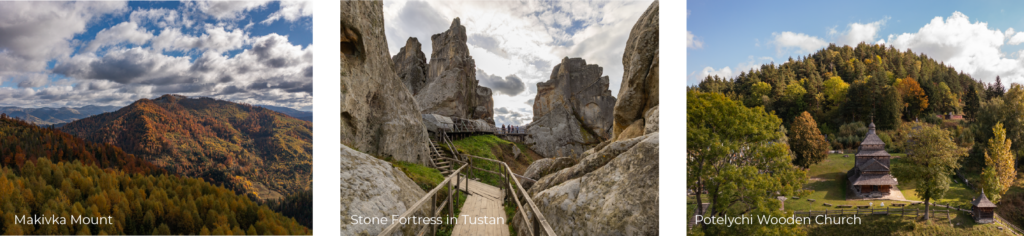
The nature of Lviv Oblast is so diverse that, without leaving the region, one can encounter landscapes ranging from the lowlands of Polissia to the highlands of the Carpathians. The most valuable sites of the nature reserve system include Skolivski Beskydy National Nature Park, Yavoriv National Nature Park, Northern Podillia National Nature Park, and the Roztochia Nature Reserve, which has been included in UNESCO’s World Network of Biosphere Reserves. The Main European Watershed runs through the oblast, dividing the drainage basins of the Black Sea and the Baltic Sea. Hiking in the Carpathian Mountains, cycling through the picturesque Roztocze, kayaking on the Bug River — there are so many ways to discover the beauty of nature through active leisure!
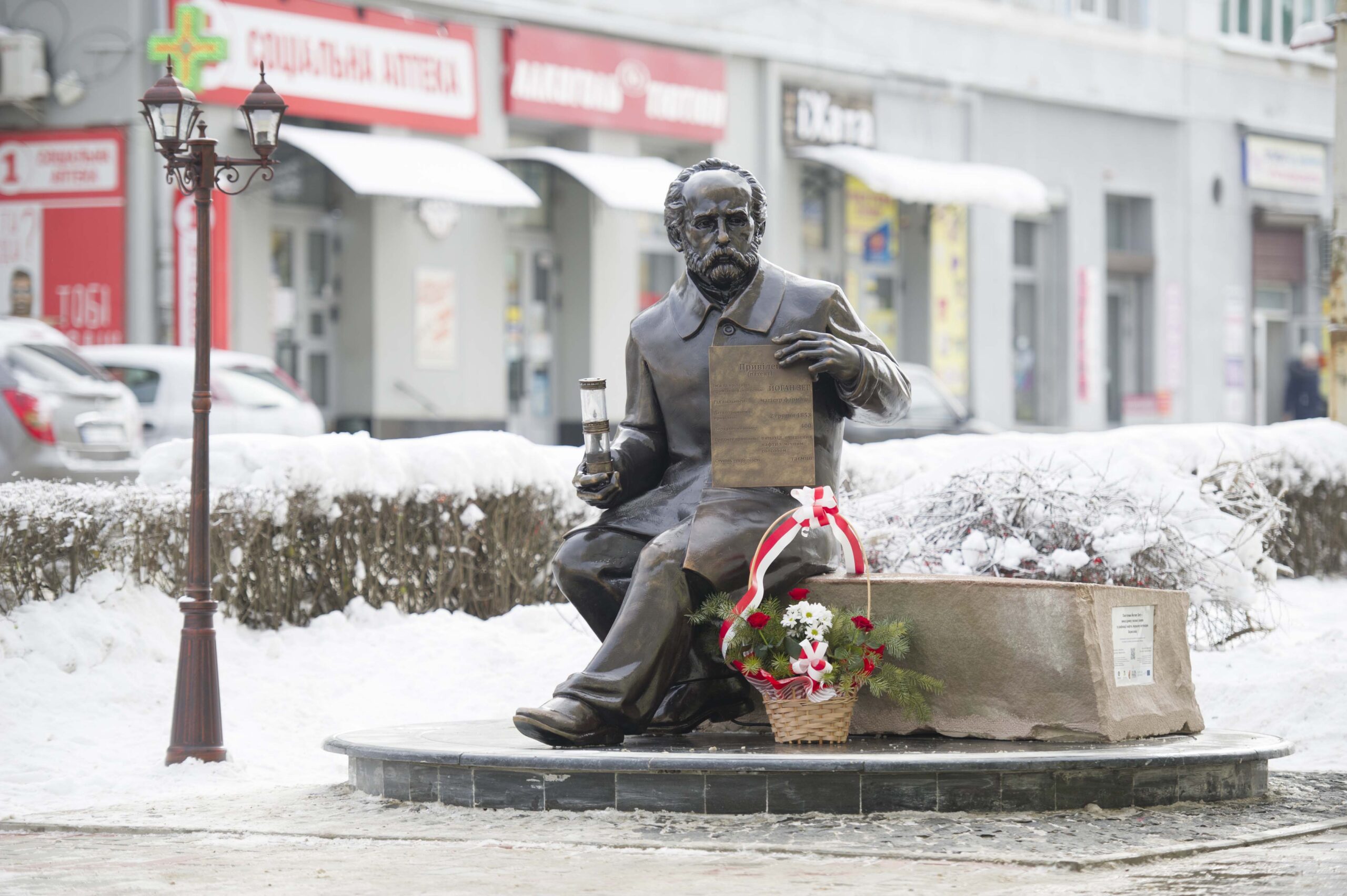
Natural resources were another source of Lviv Oblast’s prosperity. The oil boom that swept through Galicia in the 19th century made this region an active player in world markets. Other resources such as natural gas, coal, as well as combustible shale, potassium and rock salts, sulfur, gypsum, building and refractory clays, marl and limestone have been contributing to the region’s economy throughout the years. Mineral waters of high healing value gave rise to numerous spa resorts, of which Truskavets and Skhidnytsia are the most important.
During the Soviet times, the region was important economically, with a number of mining and industrial facilities located here. After Ukraine regained its independence in 1991, the country had to struggle through transformation and reform. A centralised economy with large state-owned industrial enterprises gave way to smaller businesses and international companies. Tourism, hotel and restaurant businesses have been developing rapidly. Another rapidly growing sector is IT. A number of innovative businesses in the areas of farming, agriculture, food processing, light industry and retail were established here and are operating successfully. Lviv is also a venue of large-scale business events, the most significant of which are the Lviv Economic Forum or the Lviv IT Arena. During the war, more than 200 enterprises relocated to Lviv Oblast.
Today, Lviv Oblast is also a land of heroic medical professionals. Every day, wounded people – both military personnel and civilians — arrive here to receive treatment and rehabilitation. Medical institutions are developing rapidly and being equipped with modern technology, while doctors perform increasingly complex procedures. Prosthetics and multidisciplinary rehabilitation services are being expanded and improved. Great attention is also paid to enhancing the accessibility of public spaces and social services. The region is striving to remain open and welcoming – to care, to host, to delight with local flavours, to inspire, and to create opportunities.
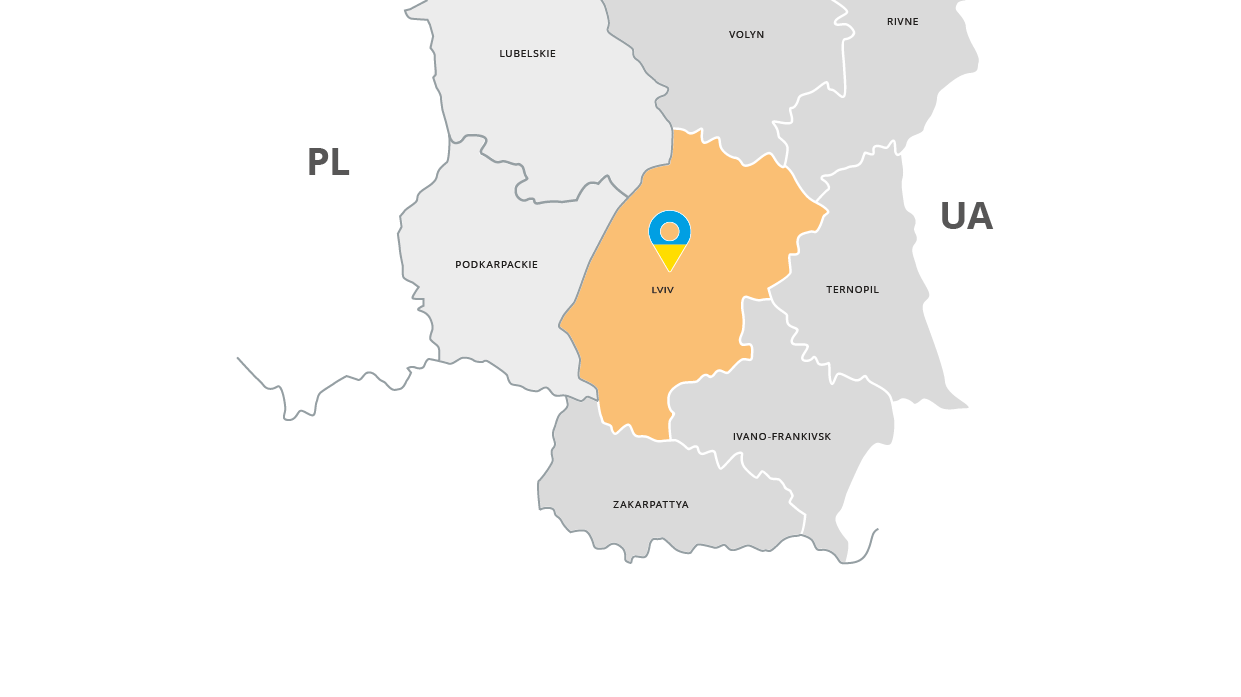
The population of Lviv Oblast is approximately 2.47 million people. The area of the oblast is 21,831 square kilometres.
Active, creative and dedicated to making a positive impact – people are the main asset of the region. Local communities are ready to address the needs of their towns or villages, such as infrastructure, accessibility, the social sector, and ecology. At the same time, not all problems can be solved easily due to a lack of funds and competencies, especially in small towns and villages. In this respect, cross-border cooperation has proved to be an effective tool, leading to tangible improvements, changes in thinking, increased institutional capacities, and providing an impulse for further development and new initiatives. Over 20 years of cross-border cooperation illustrate this clearly. The region became a leader among Ukrainian regions in terms of the number of implemented projects.
PBU PROJECTS

* the budget and co-financing relate only to partners from the Lviv Oblast
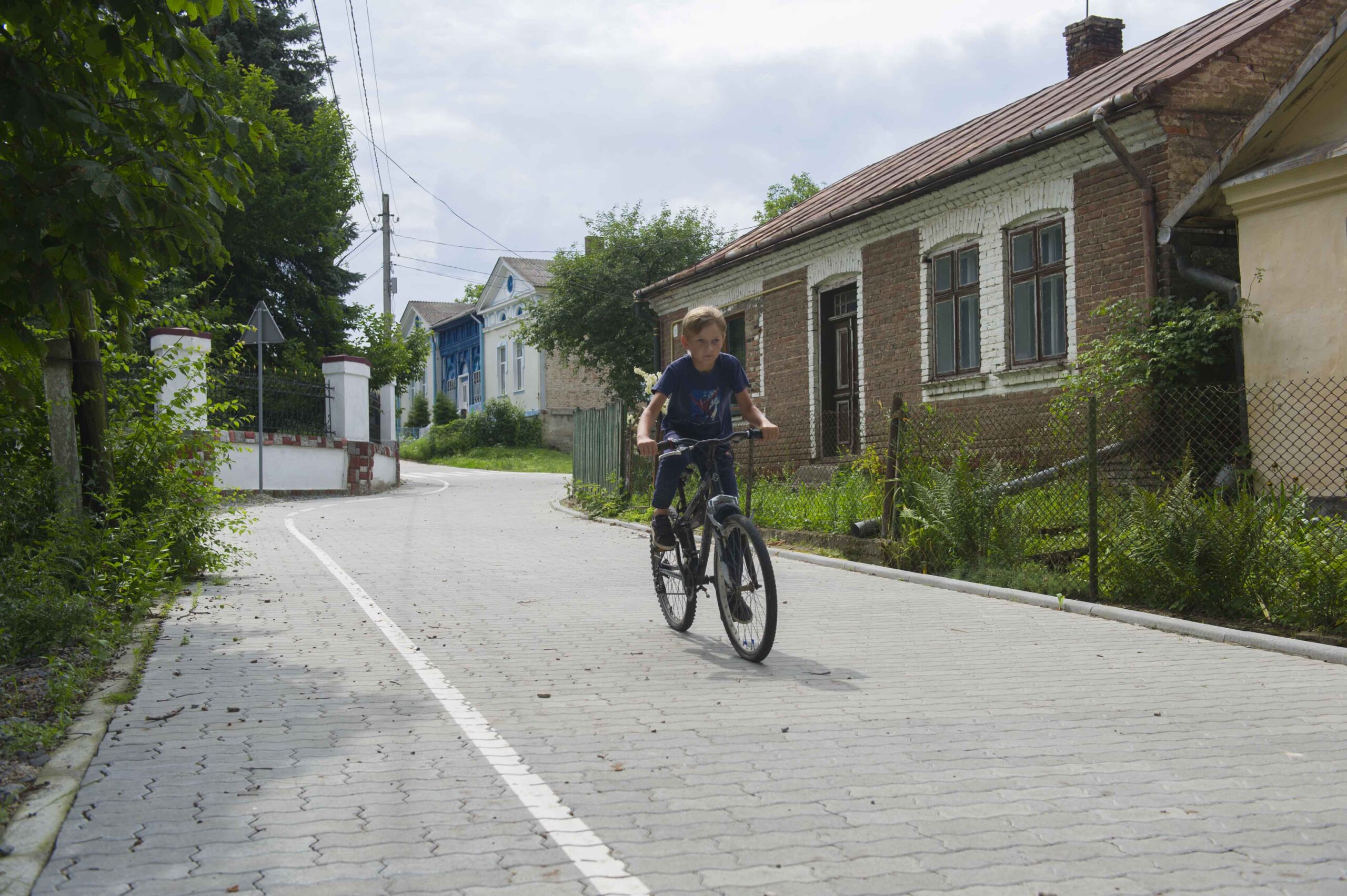
Cross-border cooperation depends strongly on the accessibility of the areas. Five road and infrastructure projects were implemented during the 2014–2020 programming period: TransBorder, ECORoads, PaNTHer, LUBANOVO and SouthWay. These projects concerned both regional and local roads, enabling fast and convenient transportation for residents and for people travelling to border crossing points with Poland. They also contributed to road safety and improved traffic awareness through promotional and educational activities.
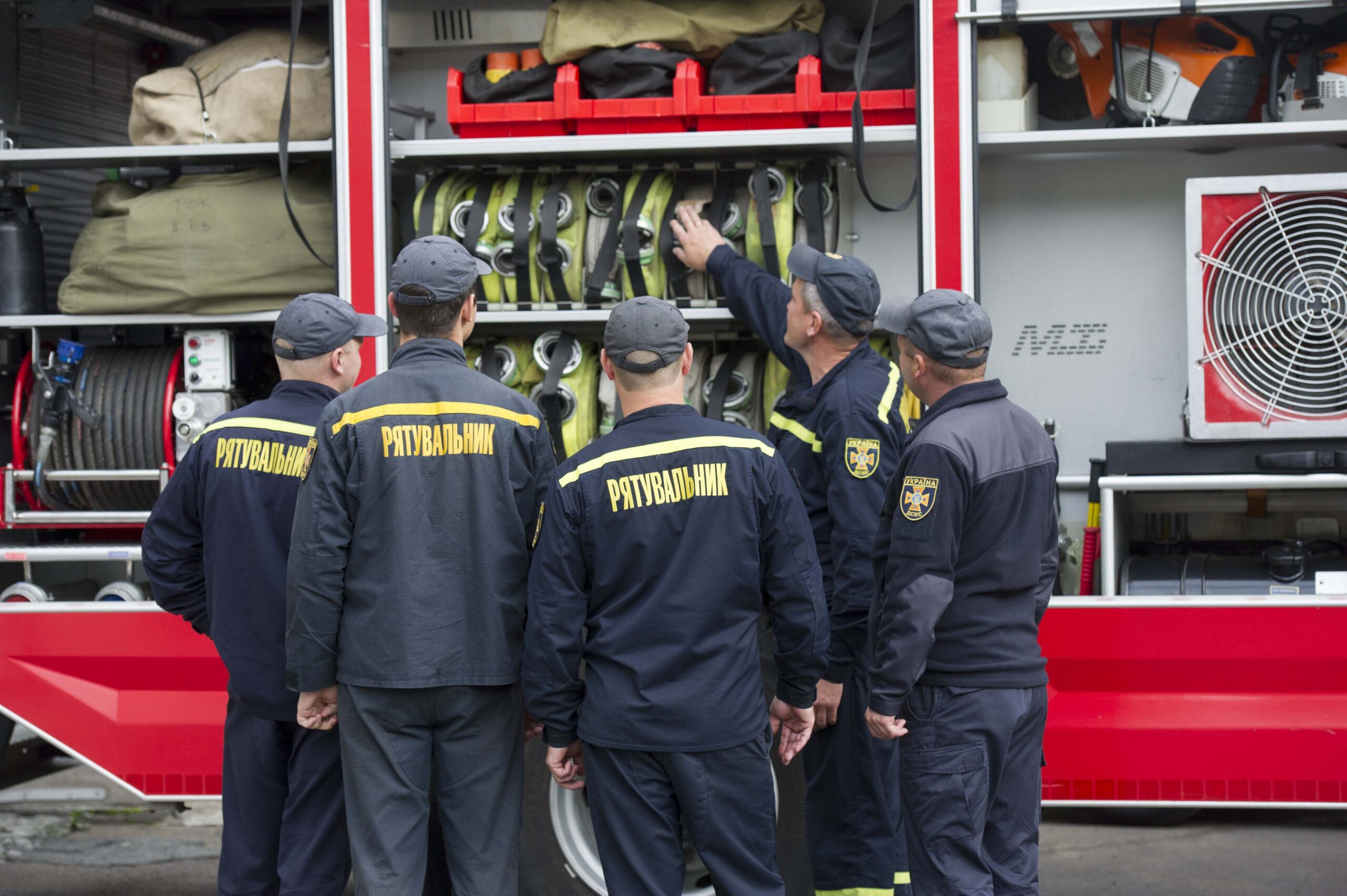
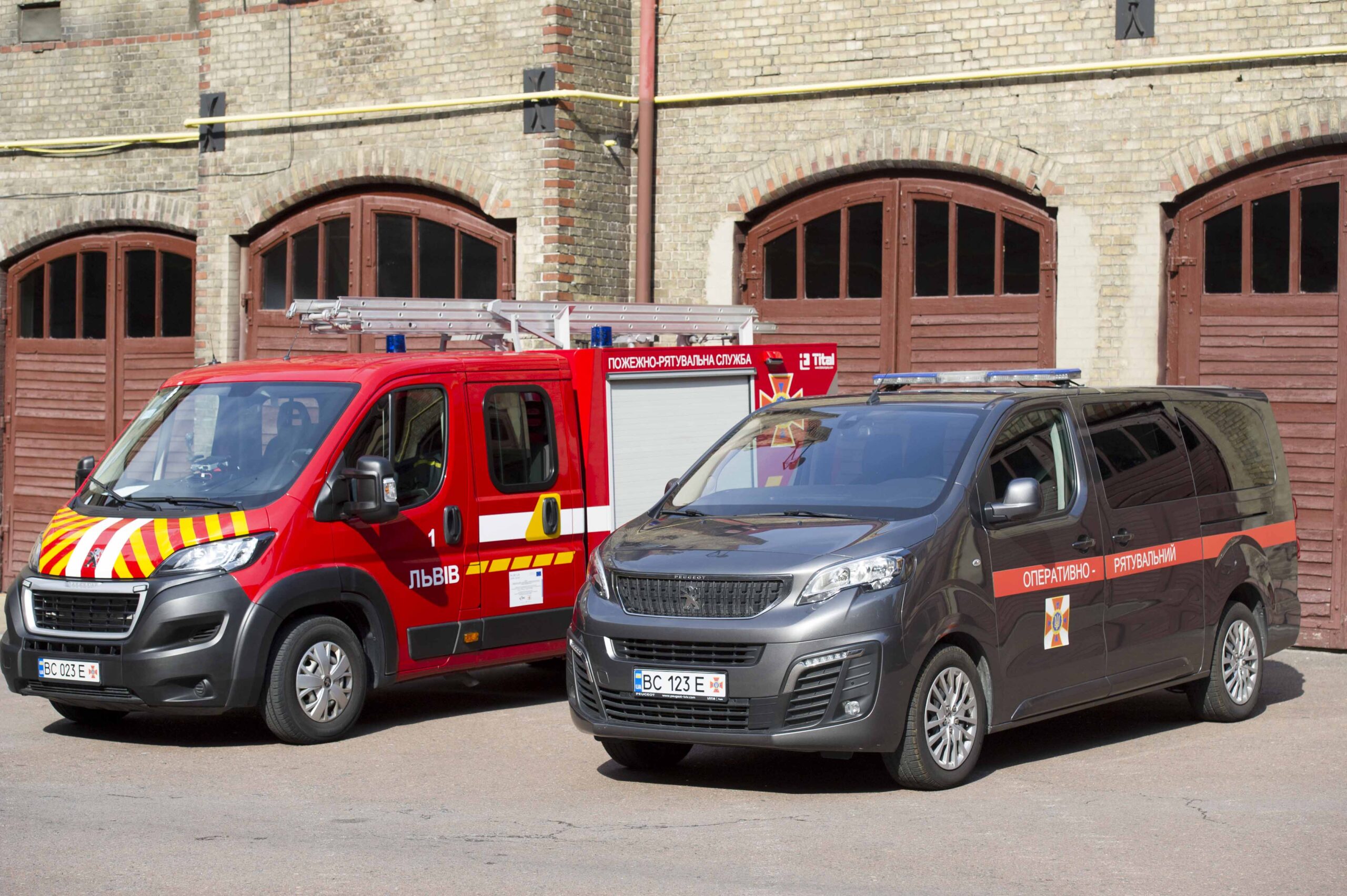
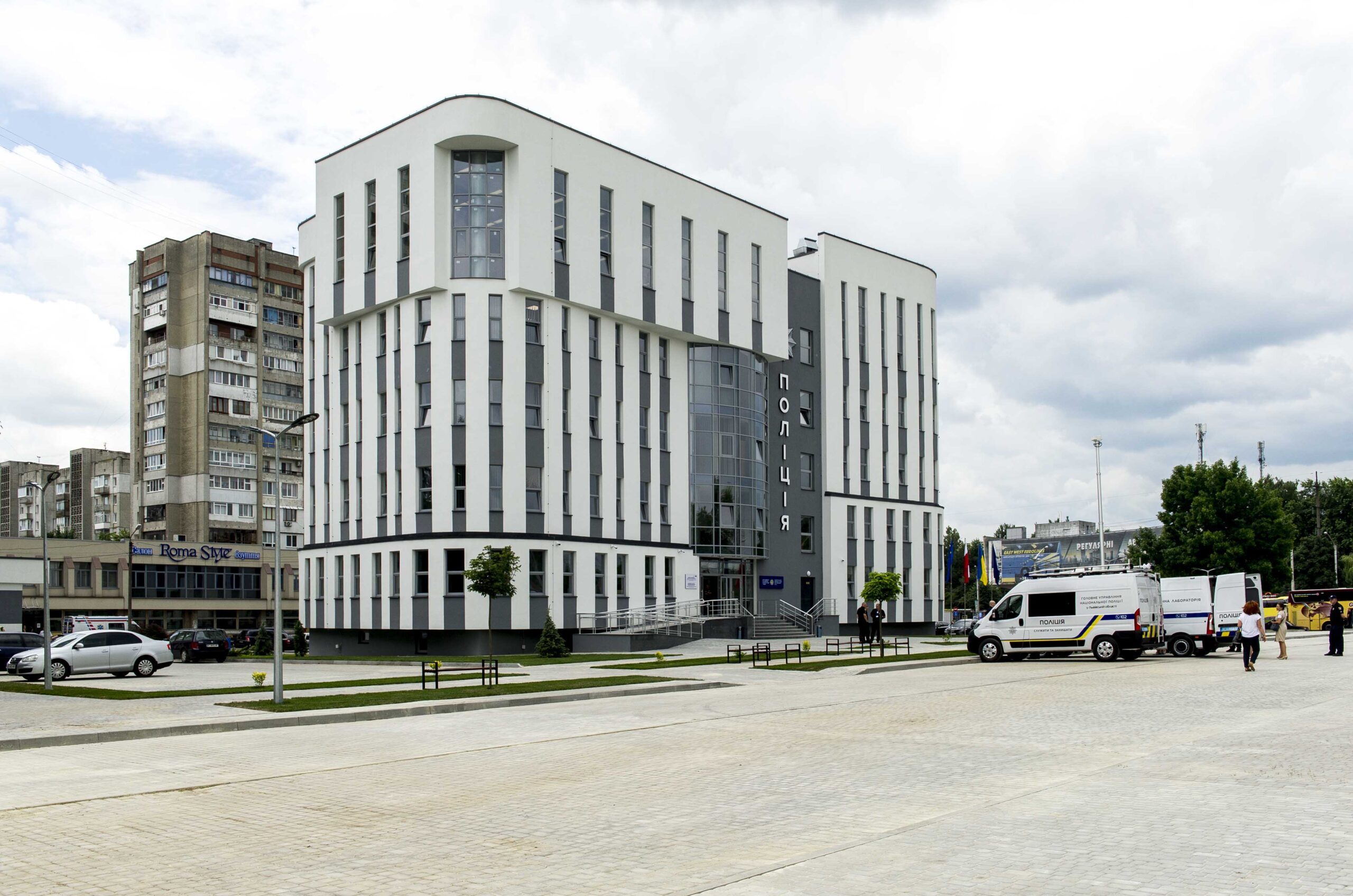
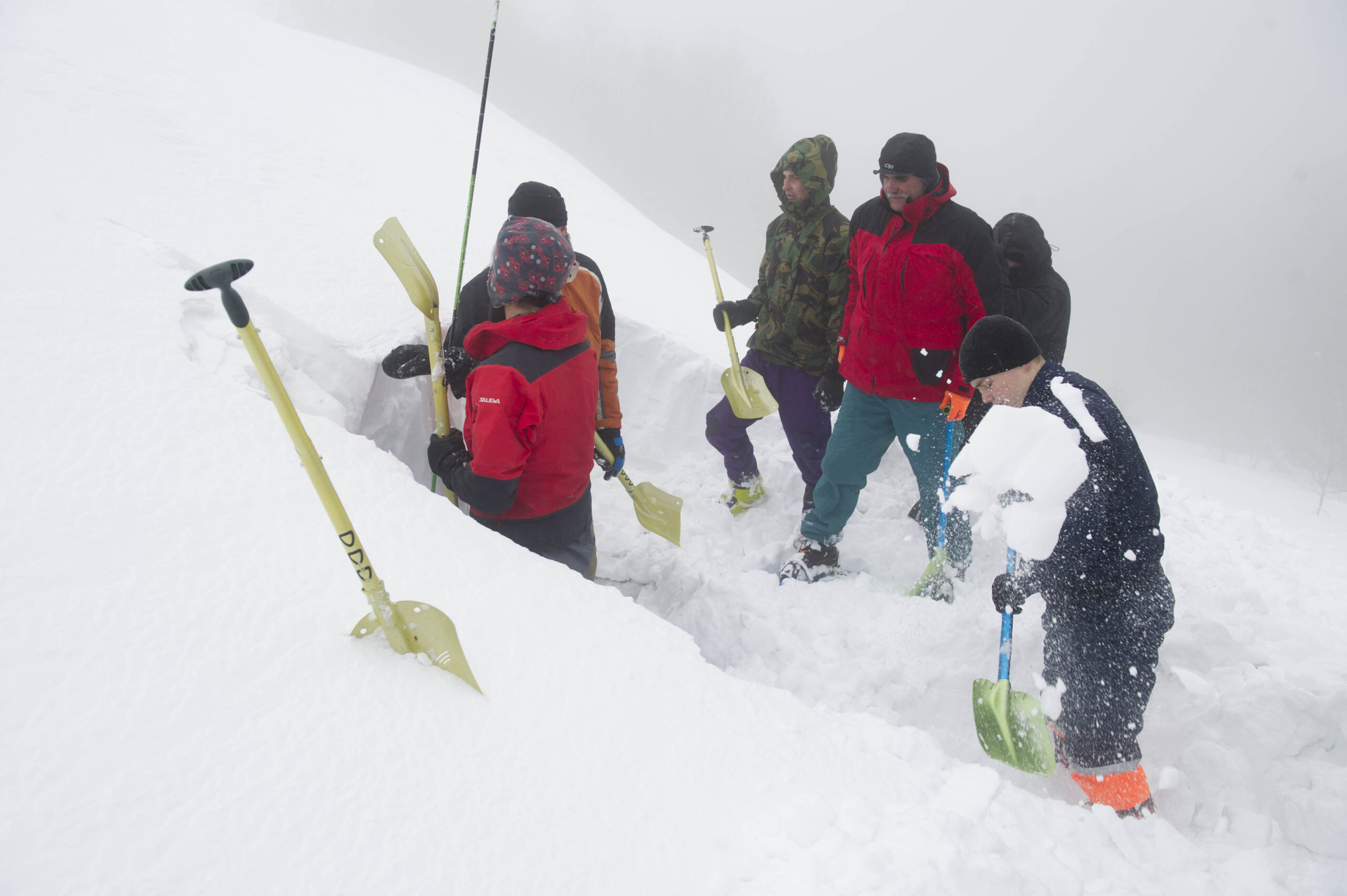
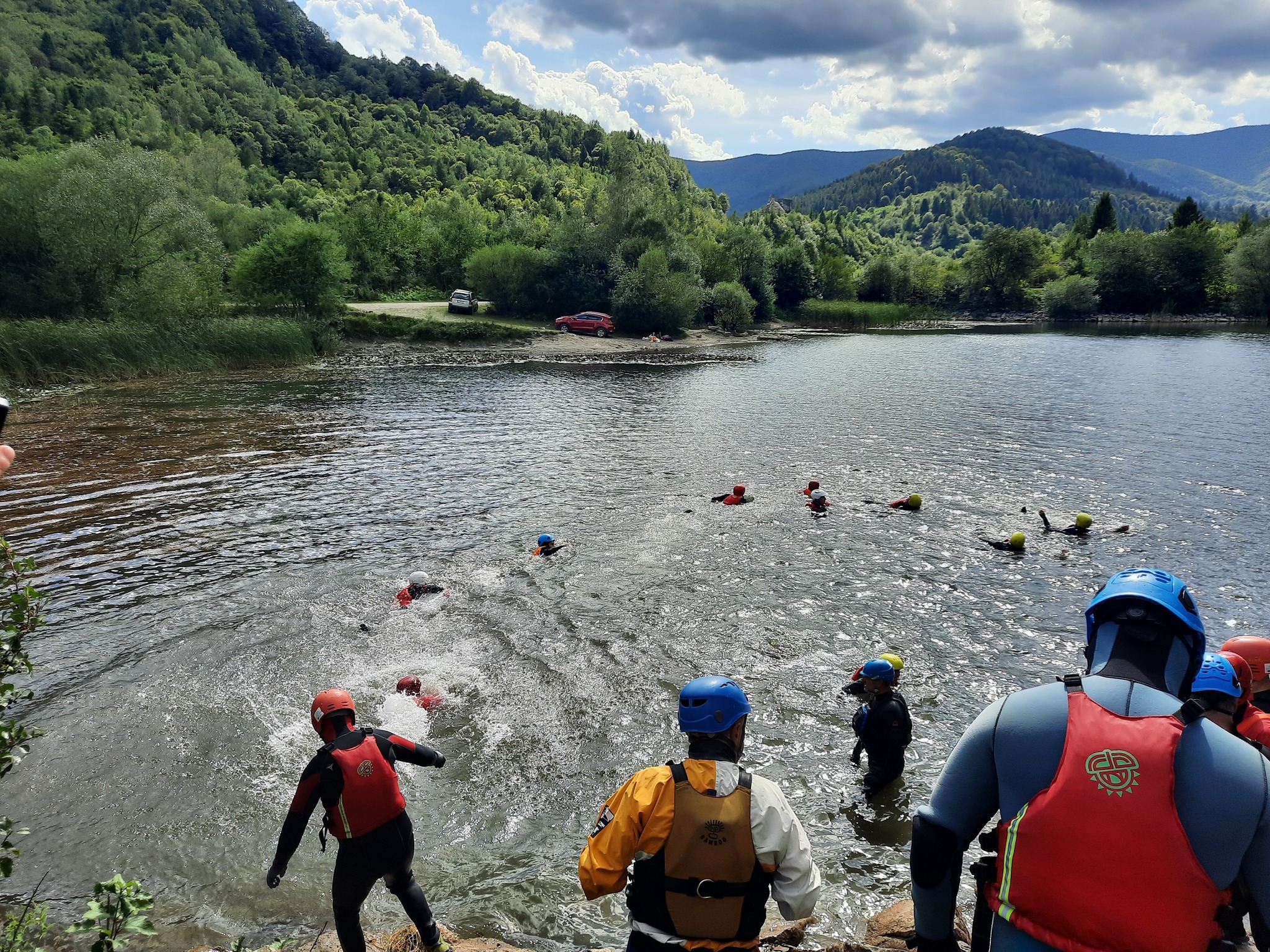
Border security was strengthened through projects IBSSSouth, IBSSCenter and BCPMonitoring implemented by the State Border Guard Service of Ukraine, aimed at preventing illegal trafficking of goods and people. The SECINCARP and SOSRescue projects were designed to increase security in the mountainous areas. Rescue workers of the Lviv Regional Department of the Ministry of Emergency Situations received newly equipped vehicles and were trained to respond to emergencies in specific mountain conditions. To make hiking in the mountains safe and enjoyable, a training centre for cross-border rescue operations was also opened in Slavsko and received a vehicle and the necessary equipment.
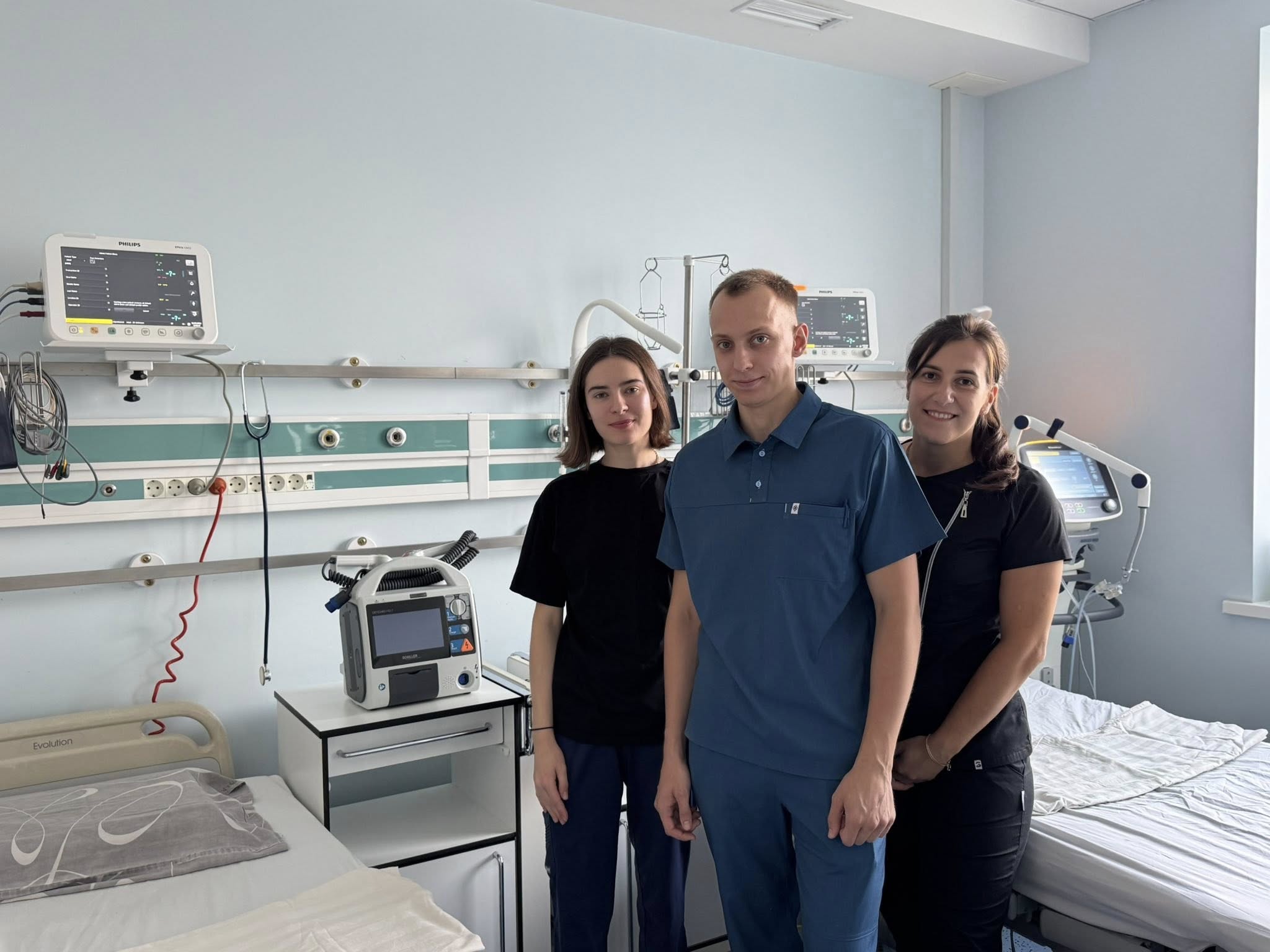
Medical professionals were another group striving to protect human life and well-being. Ukrainian doctors and nurses, together with their Polish partners, joined efforts to improve the capacities of their medical institutions and increase professional expertise. Within the HCS project, Lviv Regional Children’s Clinical Hospital upgraded surgical services through advanced equipment, improved facilities, and knowledge exchange. As a result of the RESCUE project implemented in Sokal Raion, a more efficient response to medical emergencies in cross-border areas was achieved thanks to new vehicles and first-aid equipment. The HealthOnTheBorderPLUA project in Staryi Sambir focused on cardiovascular diseases and cancer, which are the leading causes of death in both Poland and Ukraine. The purchase of a new ambulance and medical devices significantly improved the situation.
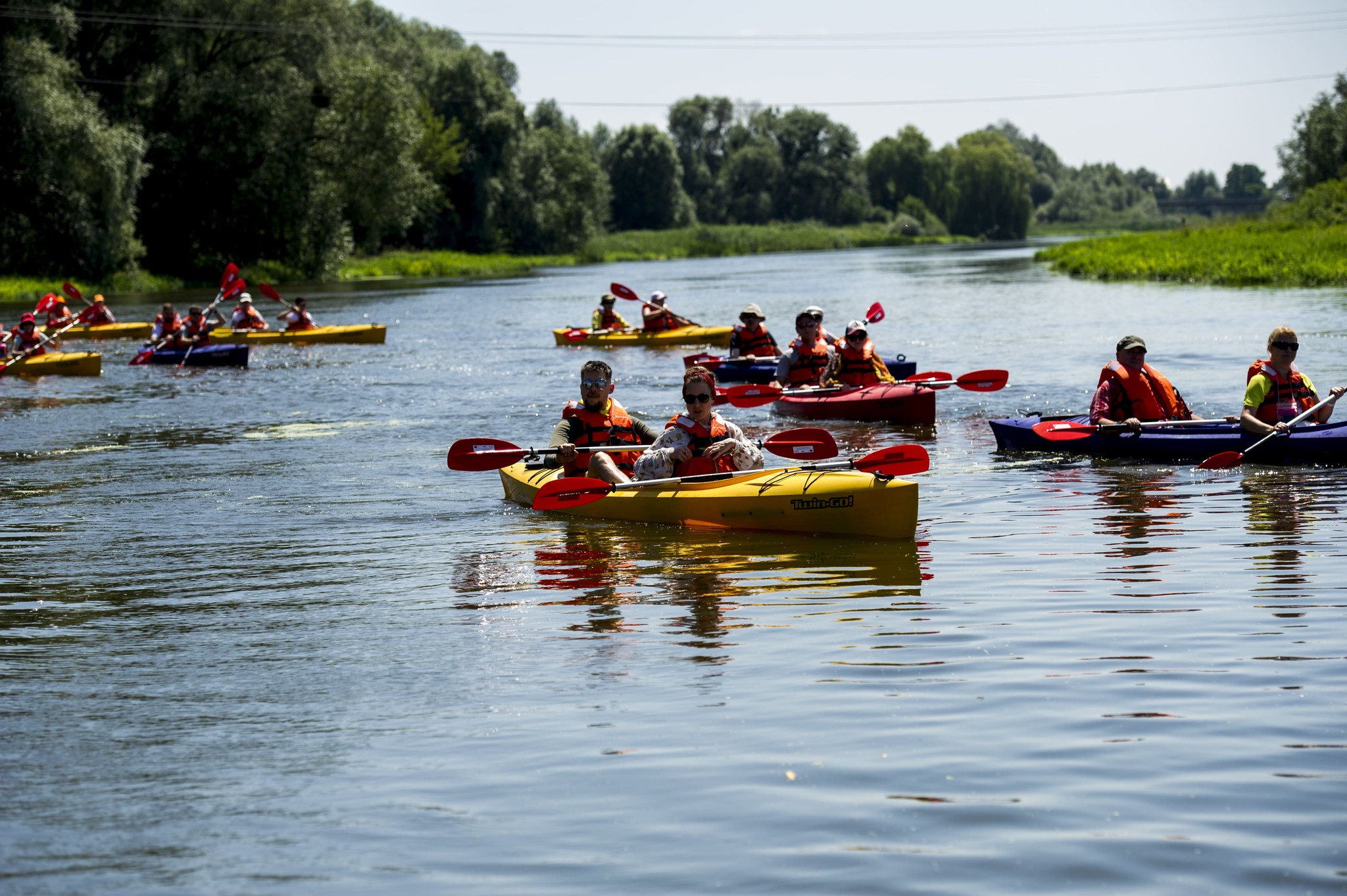
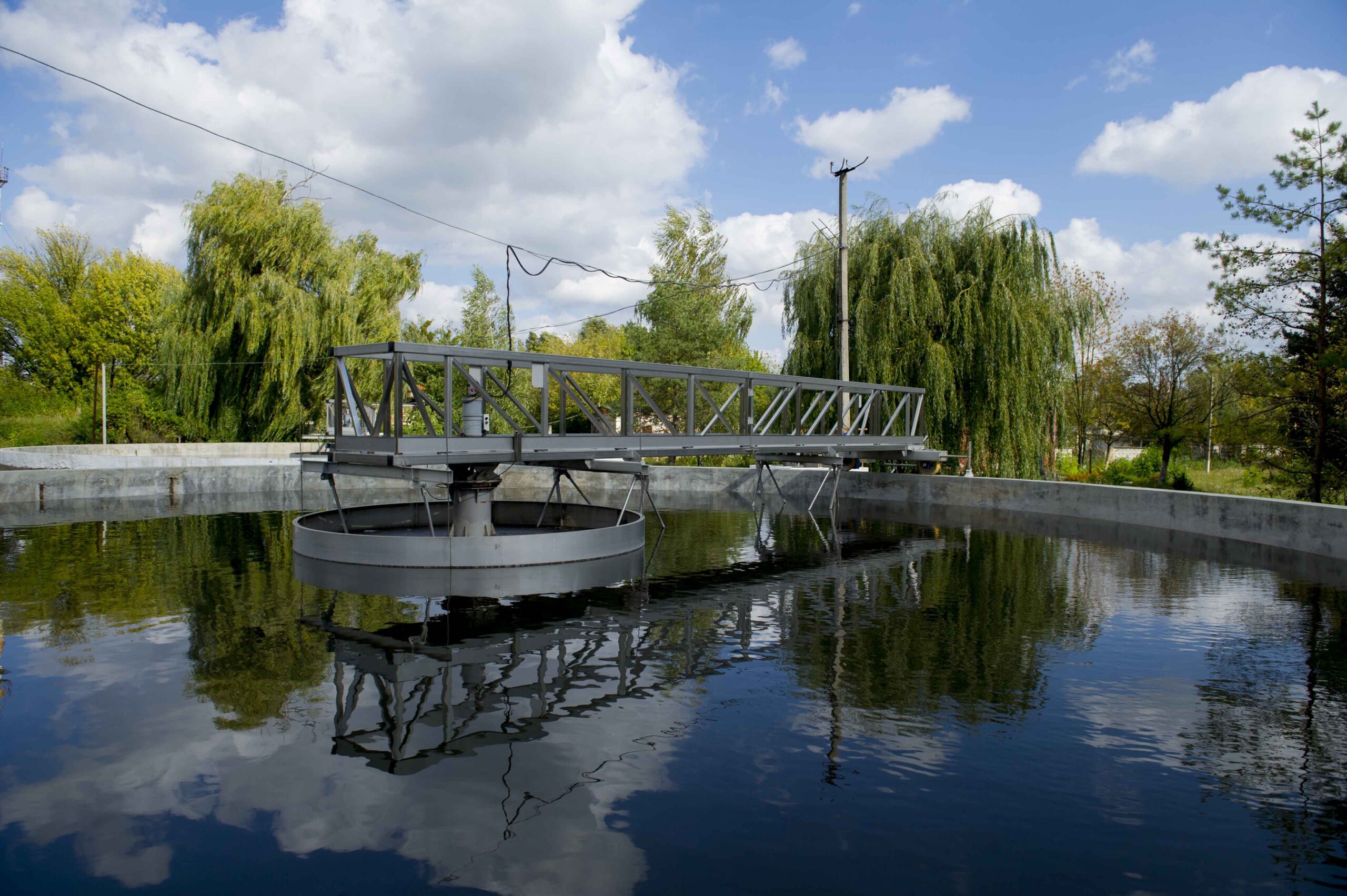
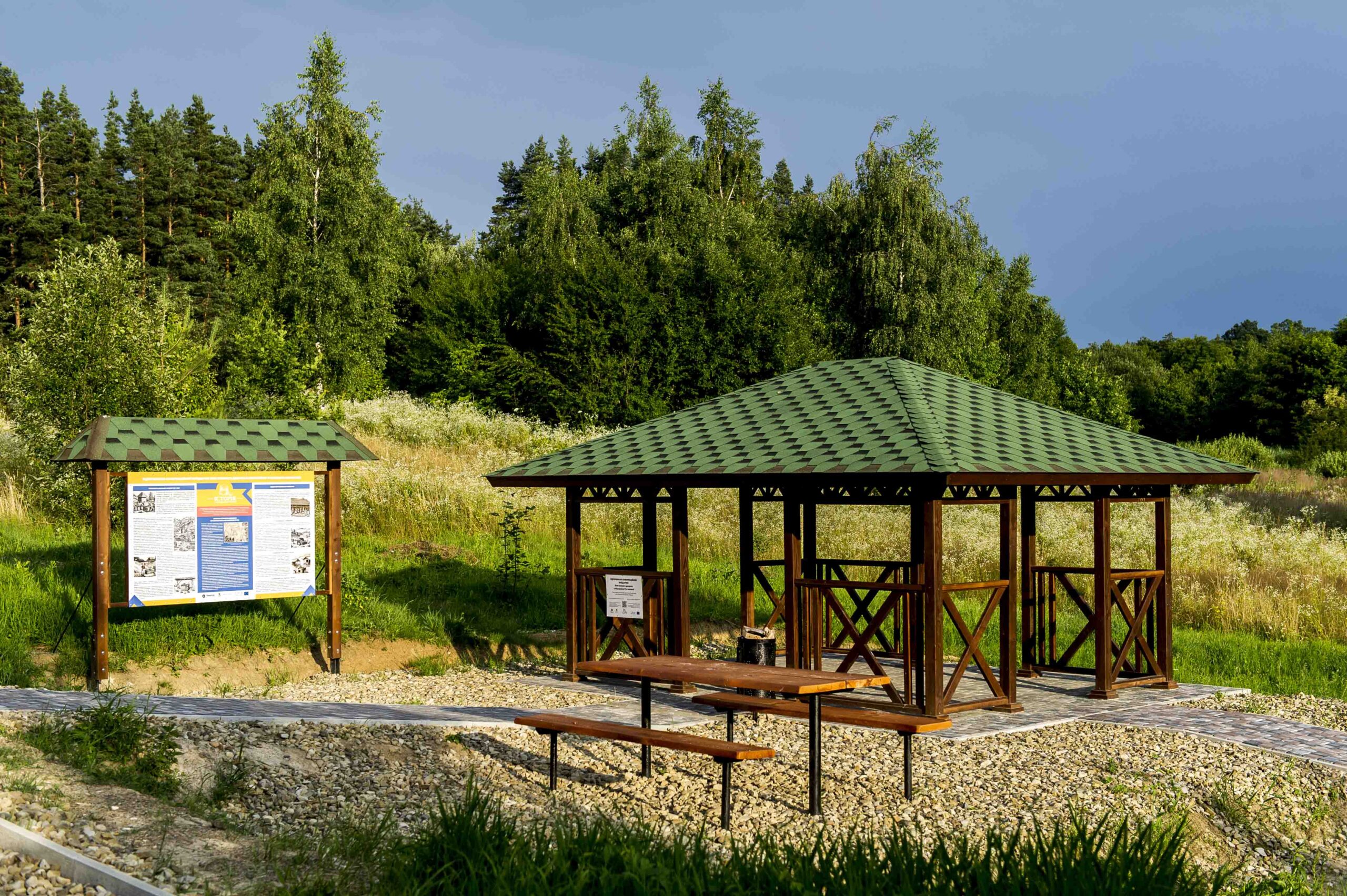
Protection of natural heritage and our shared environment is one of the most acute issues of the cross-border areas. The need for wastewater treatment facilities is not yet fully met. Thanks to the Programme, water treatment facilities in Dobromyl (RiversHeritage), Chervonohrad (KSICHER) and Skhidnytsia (ProtectWater) improved the quality of surface water and groundwater, which in the long run will have a positive impact on people’s health and the general attractiveness of these areas. Promoting sustainable tourism and an eco-friendly lifestyle was also important to unlock the tourism potential of natural sites. One example was the PLUARoztocze project, aimed at developing cycling infrastructure in the area of Roztocze as an environmentally friendly way to discover its natural beauty. Kayaking on the Bug River, facilitated and promoted by the BugUnitesUs project, was another innovative solution.
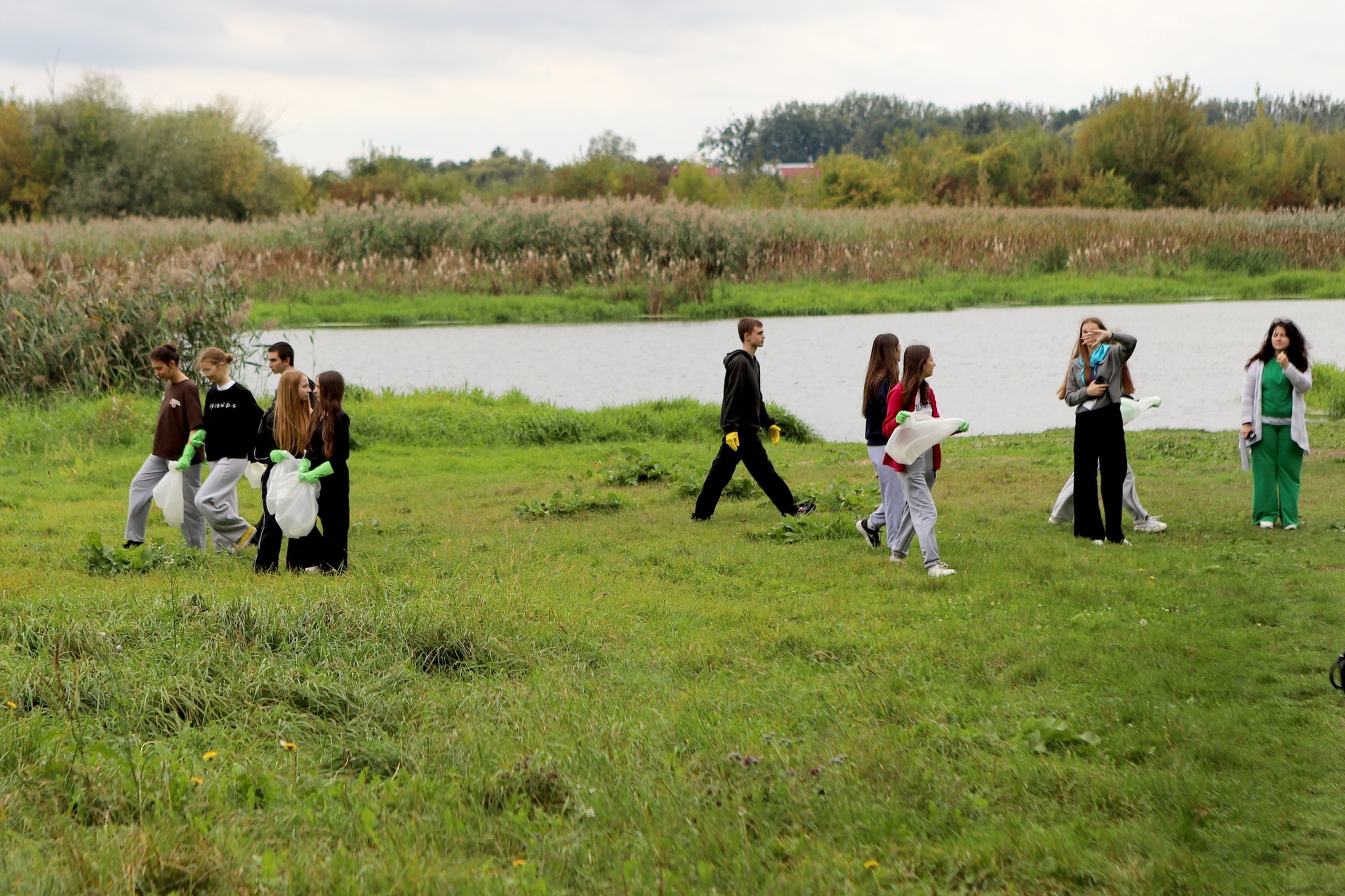
Protection and promotion of natural heritage were also the focus of micro-projects. The ProtectNature project enhanced sustainable tourism in natural parks, primarily in mountainous areas. The Bio-reserve project focused on promoting Roztocze Cross-border Biosphere Reserve through extensive media campaigns and educational activities for children. The main task of the SlowRivers was to use the potential of the San and Stryvazh river basins by introducing various forms of water activities, such as canoeing, pontoon trips, and rafting, combined with exploration of local fauna. Another water-related project, FISH, highlighted the common nase – a local fish species with an interesting migration pattern. The CarpathianBee and Apis project teams aimed to preserve a bee, unique to the Carpathian Mountains, and promote beekeeping traditions. The BugGuardians project involved schoolchildren in eco-friendly educational activities, raising a new generation aware of environmental protection.
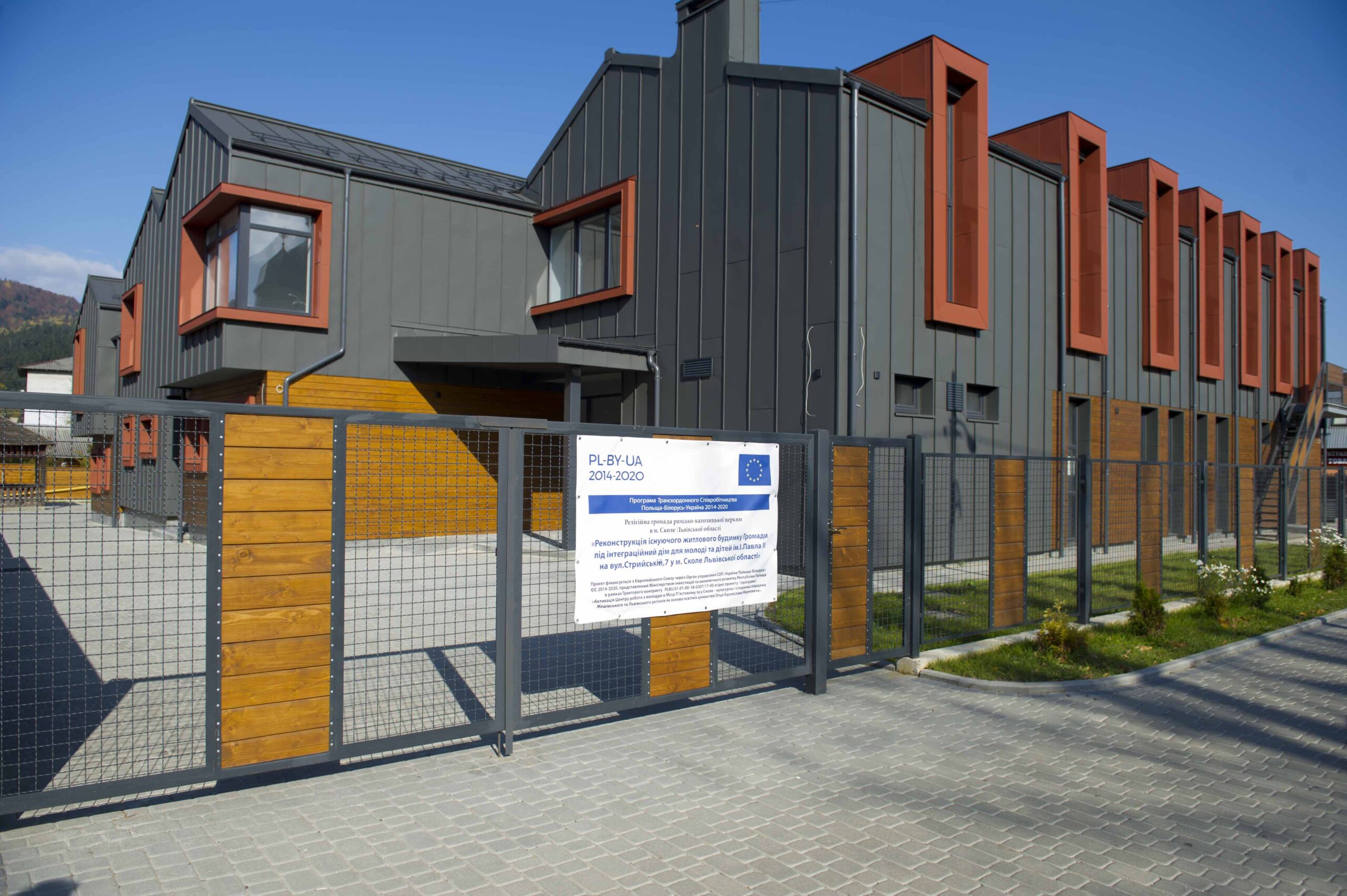
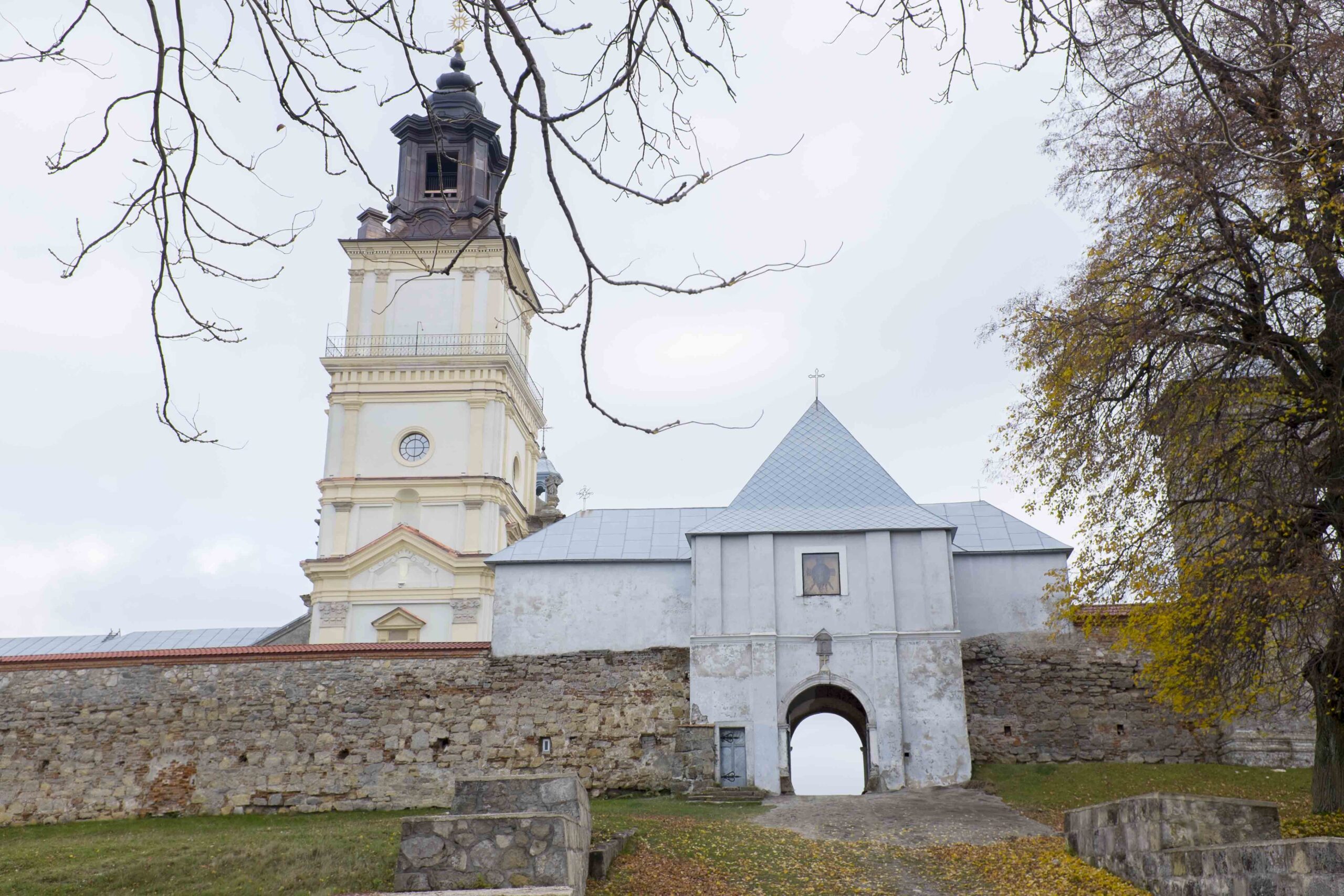
The richness of local history and culture made this priority the most popular among beneficiaries in Lviv Oblast. Project partners addressed issues such as the deterioration of historic buildings, forgotten pages of history, and elements of intangible culture by applying innovative solutions and creative approaches. Within the CBCPilgrim project, the monastery in Pidkamin, once one of the most important pilgrimage destinations in Europe, was revitalised. Within the TwinMonasteries project, two sacral buildings were thoroughly renovated and adapted into Centers for Dialogue of Culture. In Skole, a Culture and History Centre for young people was built as part of the MichaelAndYouth project, continuing the traditions of Bronisław Markiewicz, a Salesian priest. The ROSETTES project was a joint initiative of the mountainous regions of Ukraine and Poland aimed at preserving Carpathian culture. In Lviv Oblast, the Boyko Museum in Urych (Hluboke) was improved and promoted. With the GalicianScene project, the Polish Culture Promotion Centre in Lviv was created.
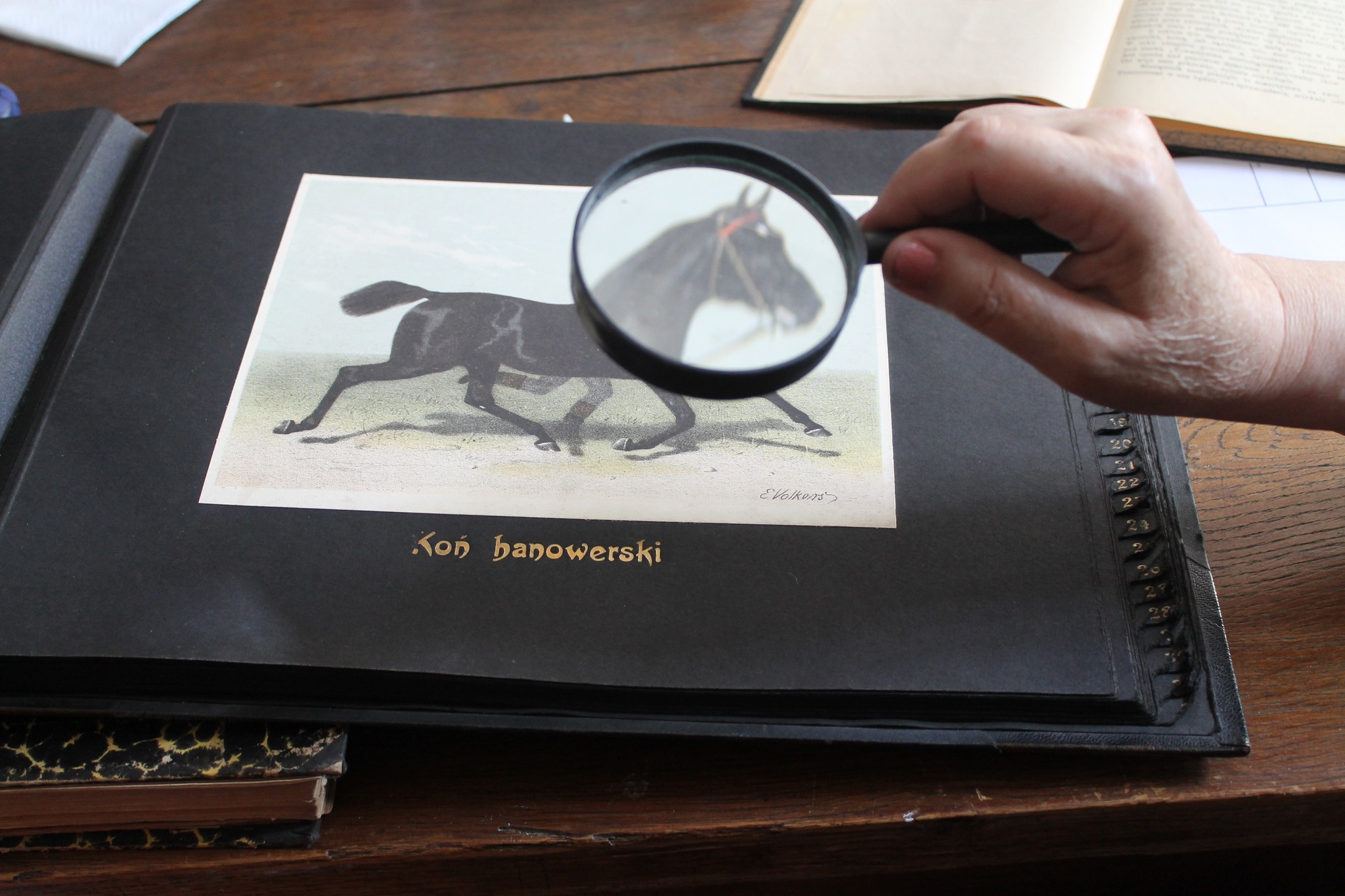
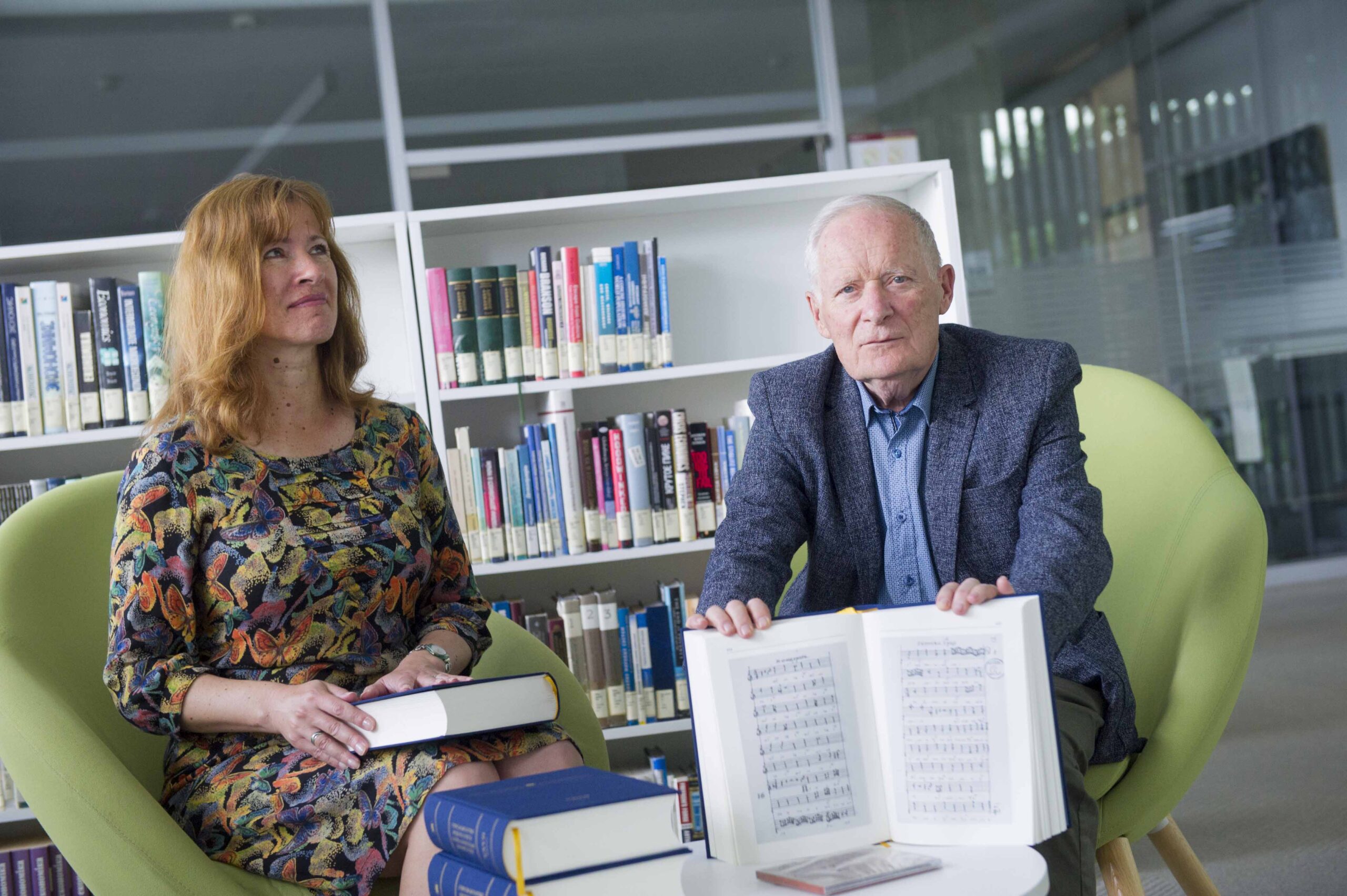
Micro-projects under this priority demonstrated great diversity. Some projects focused on the protection and promotion of architectural heritage and related history, including Promo2Castles (Zhovkva Castle), Touch_History (Dobromyl Castle), and WoodenRoute (wooden churches). The LUKASIEWICZ, OilCradle and SaltyHistory projects highlighted the industrial history of the area related to oil exploration, while the HunGalRail project drew attention to the heritage of the Hungarian-Galician railway. Local traditions and crafts were the focus of the K&K:PolUA and JointHeritage projects. Religious musical culture was popularised within the SupSyn project, and the literary legacy of J. Andruszewski was explored within the Smolin project. The history of Lviv Veterinary University was presented through the VetHeritage project. Thanks to the ACCESSIBLE project, Lviv became better equipped to meet the needs of people with disabilities. Finally, the MountainTaste and BugCuisine projects promoted the culinary heritage of the region. Other initiatives, including Wide_Horizons, TogetherNow and VOLUNTEERS, helped promote the heritage of small towns.
PL-UA PROJECTS

In the current Programme, 28 projects are being implemented in Lviv Oblast under the ENVIRONMENT, HEALTH, ACCESSIBILITY, and BORDERS priorities.
Given that environmental safety challenges are particularly relevant to cross-border communities, many projects focus on this area. The UP2FireSafety and ClimResc projects, implemented by the State Emergency Service of Ukraine in Lviv Oblast in cooperation with partners from the Podkarpackie and Podlaskie Voivodeships, aim to improve responses to forest fires. In addition to central institutions, local self-governments are also actively addressing safety issues by developing infrastructure, purchasing specialised vehicles and equipment, and training rescue personnel. Such initiatives include AquaGuard in Skole, ClimaResilent in Peremyshliany, and SAFETY in Brody.
The WaterWatch project is of particular importance, as it aims to enhance the monitoring of raw water quality for chemical and microbiological hazards through modern equipment and staff training. To address local needs for improved water supply and wastewater management, seven water-related projects are being implemented in Lviv Oblast. These include EcoReserve (Solonka), SewageLink (Belz), EcoLinks (Skhidnytsia), CleanBugRiver (Sokal), WaterWise (Rudky), GoodWater (Pustomyty), and Interreg4Water (Brody). Improved water quality and a cleaner environment will be achieved through the construction and modernisation of water supply and sewage systems, combined with staff training and public awareness campaigns.
Several diverse projects are dedicated to nature protection and biodiversity preservation in the region. The CleanBug project in Dobrotvir and CitiesOfGreen in Horodok are transforming green areas by taking into account the needs of different groups of residents and applying advanced, eco-friendly solutions. The ZeroHeracleum project addresses the spread of invasive plant species, particularly hogweed. The BIODIVERSITY project focuses on the creation of a new nature reserve in Zymna Voda and the reconstruction of the historic park of St. Yura’s Cathedral in Lviv. An additional important outcome of this project is the establishment of a Centre for the Protection of Ancient Trees.
The HEALTH priority is represented by 9 projects covering various medical fields. The RescueFirstAid project is a joint initiative of the NGO Rovin and State Emergency Service units, aimed at efficiently responding to emergency-related threats. The CADIT project seeks to improve cancer treatment in clinics in Lviv and Białystok. Activities under the PutHeart project focus on cardiac patients, while the EMERGENCY project will enhance the diagnosis and treatment of cardiovascular diseases. A key component of the InsideImaging project is the purchase of specialised body scanning systems to support early cancer detection, while the GastroCare project, based in Mostyska, will modernise hospital endoscopy laboratories, helping to reduce gaps in care for patients with gastrointestinal diseases. Modern technologies introduced through the SURLAP project will significantly improve the treatment of urogenital system diseases. The large infrastructure project CareLikeHome will set new standards in palliative and geriatric care through the modernisation of a facility in Lviv and the development of modern care protocols. The HealthBridges project brings together five partners from Poland and Ukraine to enhance capacities and expertise, while establishing a cross-border cooperation platform that facilitates collaboration between doctors through digital tools and solutions.
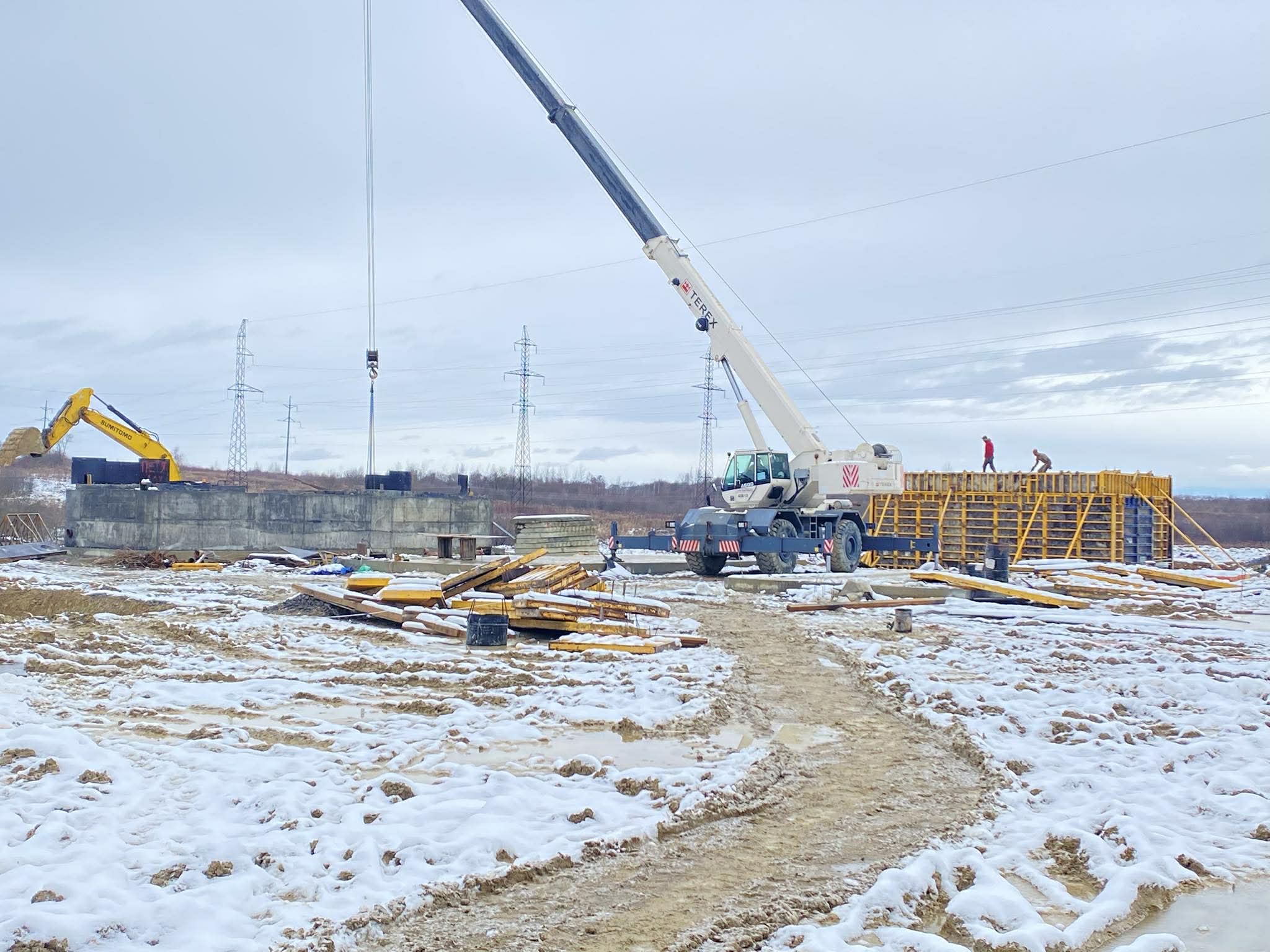
Due to its strategic location, Lviv Oblast requires efficient, modern road infrastructure. The DriveConnect large infrastructure project, implemented under the ACCESSIBILITY priority, includes the modernisation of several road sections in Lviv Oblast (Nahirne–Dobromyl, Lviv–Sambir–Uzhhorod, and Herynia–Bolekhiv). These improvements will facilitate cross-border traffic and improve access to border crossing points.
Under the BORDERS priority, a large infrastructure Rail-UP project will improve accessibility at Lviv Central Railway Station by modernising one of the platforms to better meet the needs of persons with reduced mobility. Lifts, escalators, ramps, and a new staircase will be installed. These improvements will also support Ukraine’s integration with the European Union by implementing EU standards for railway infrastructure accessibility.
It is therefore worth taking a closer approach to the project’s activities by asking those directly involved in the implementation of the Programme. We talk about the development of future approaches with Khrystyna Zamula, Deputy Head of the Lviv Regional State Administration.

How do you see the role of Lviv Oblast within the Interreg NEXT Programme Poland – Ukraine?
Can it be said that over the years the Programme’s projects have brought changes to the life of the region? If so, what kind of changes have these been?
What are the expectations from the projects currently being implemented in the oblast? Can we hope that their impact will extend beyond the region in the future?