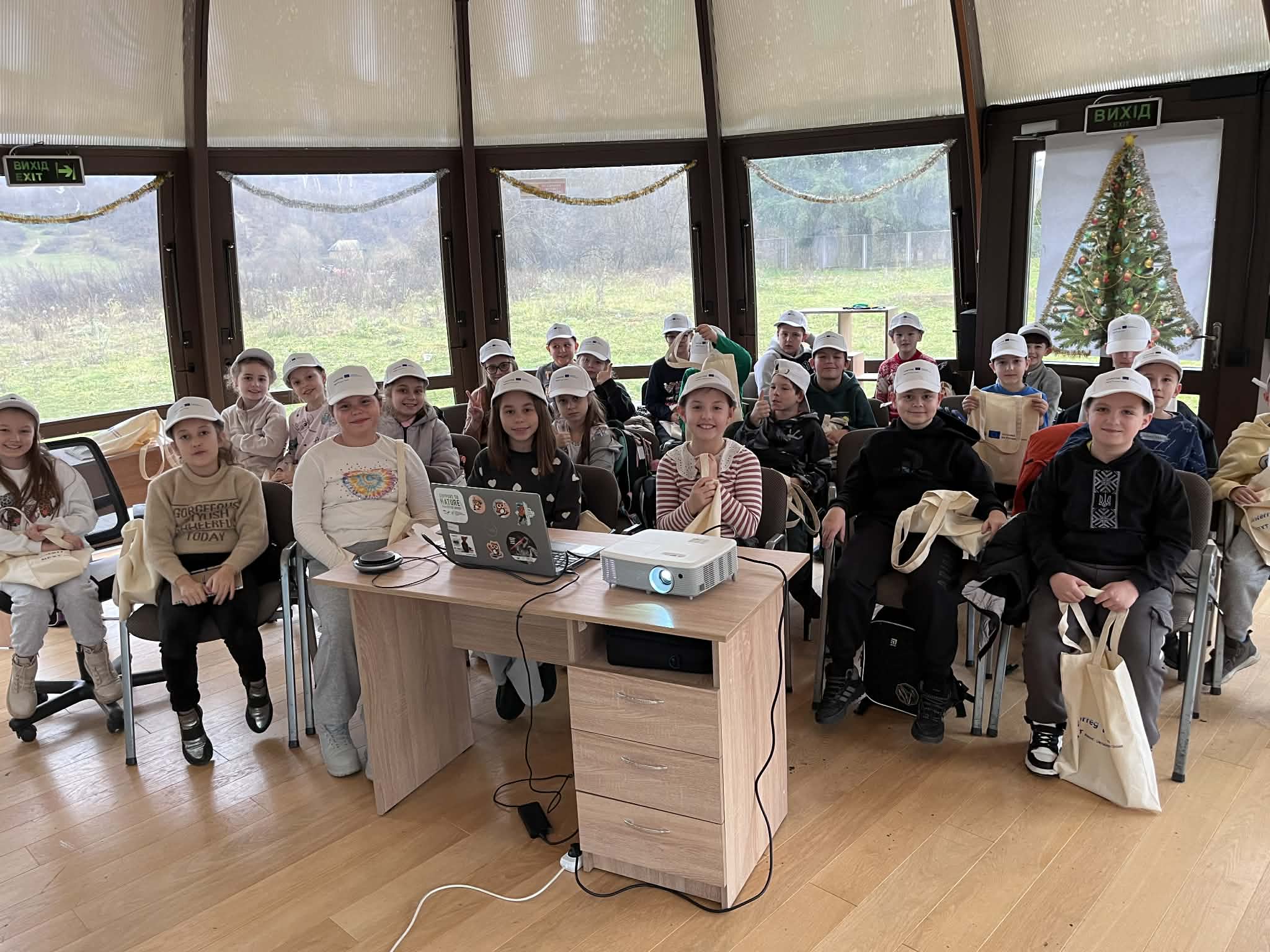
A clean environment often begins with small everyday actions: picking up litter, saving water or planting a tree. This idea is at the heart of the Water4Life project and was recently promoted during environmental education activities for schools in the Velykyi Bereznyi community.
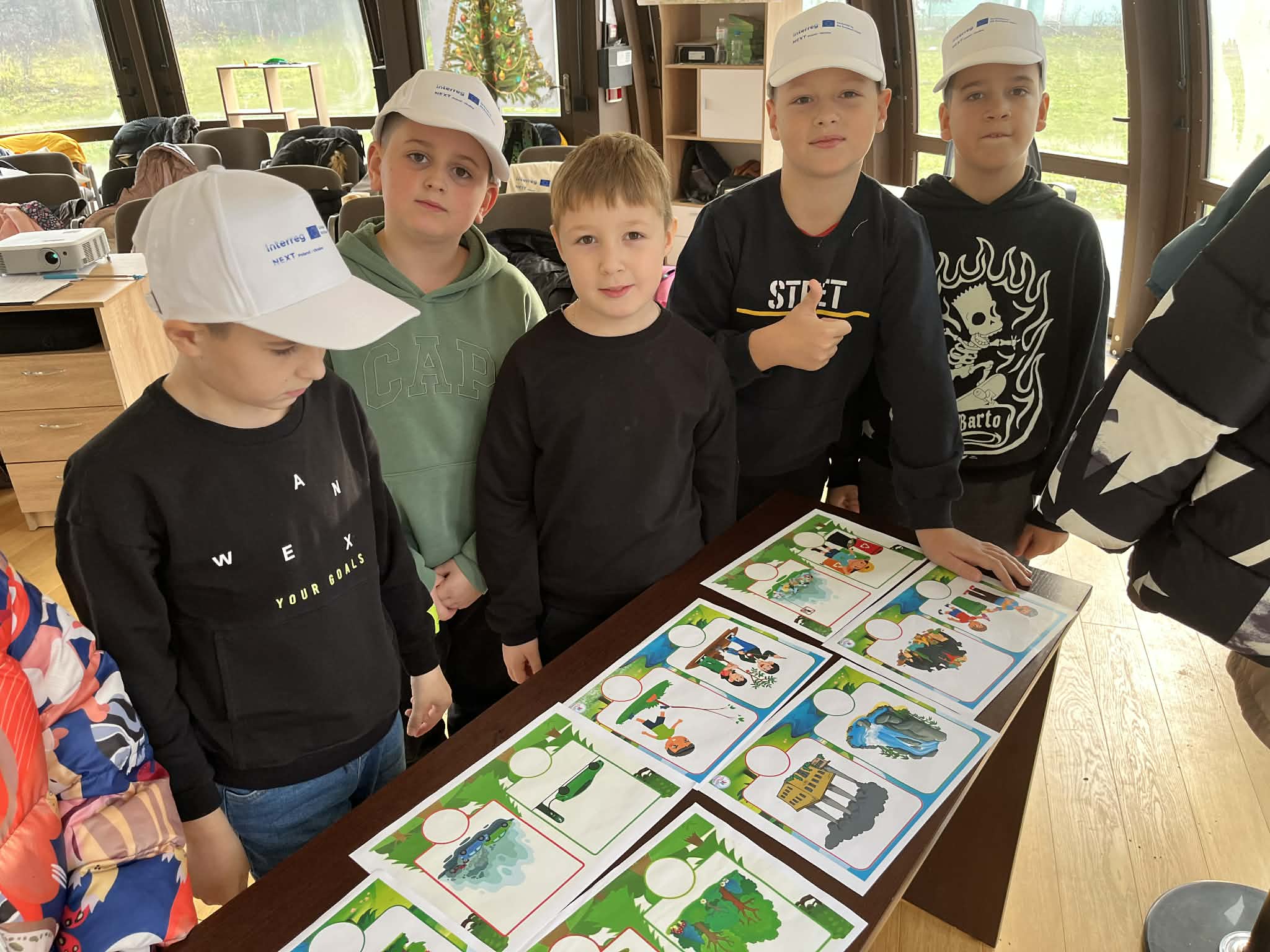
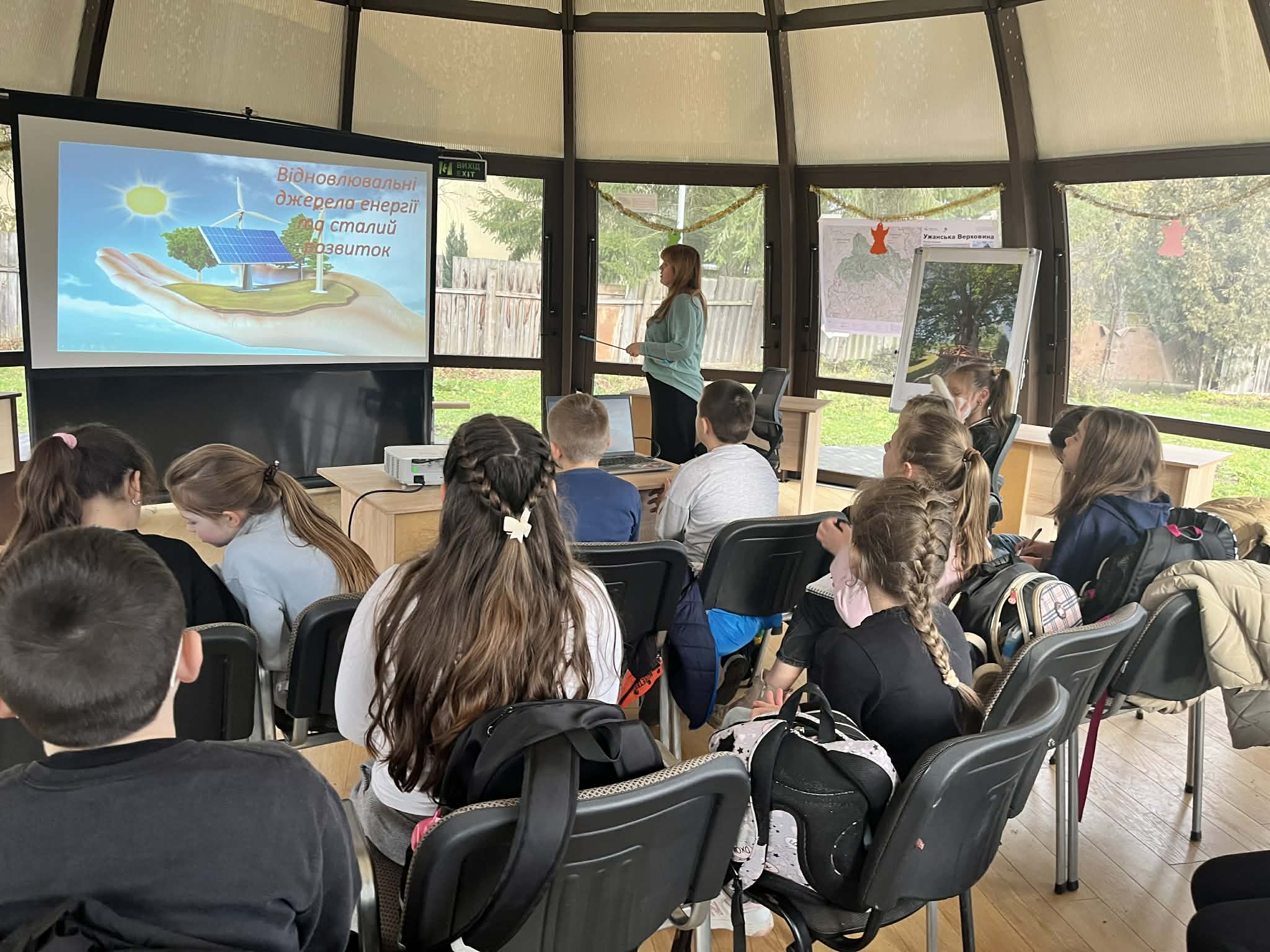
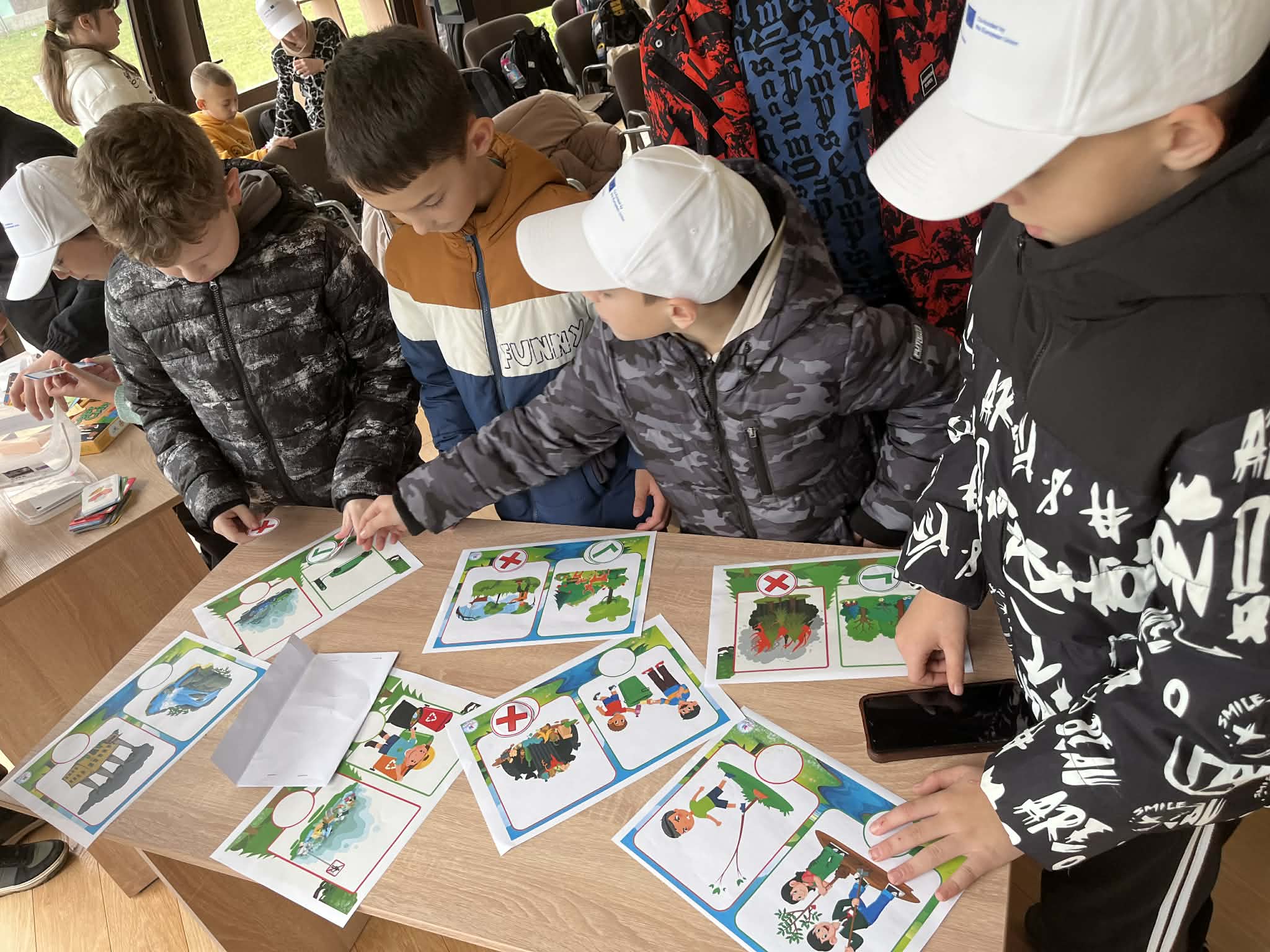
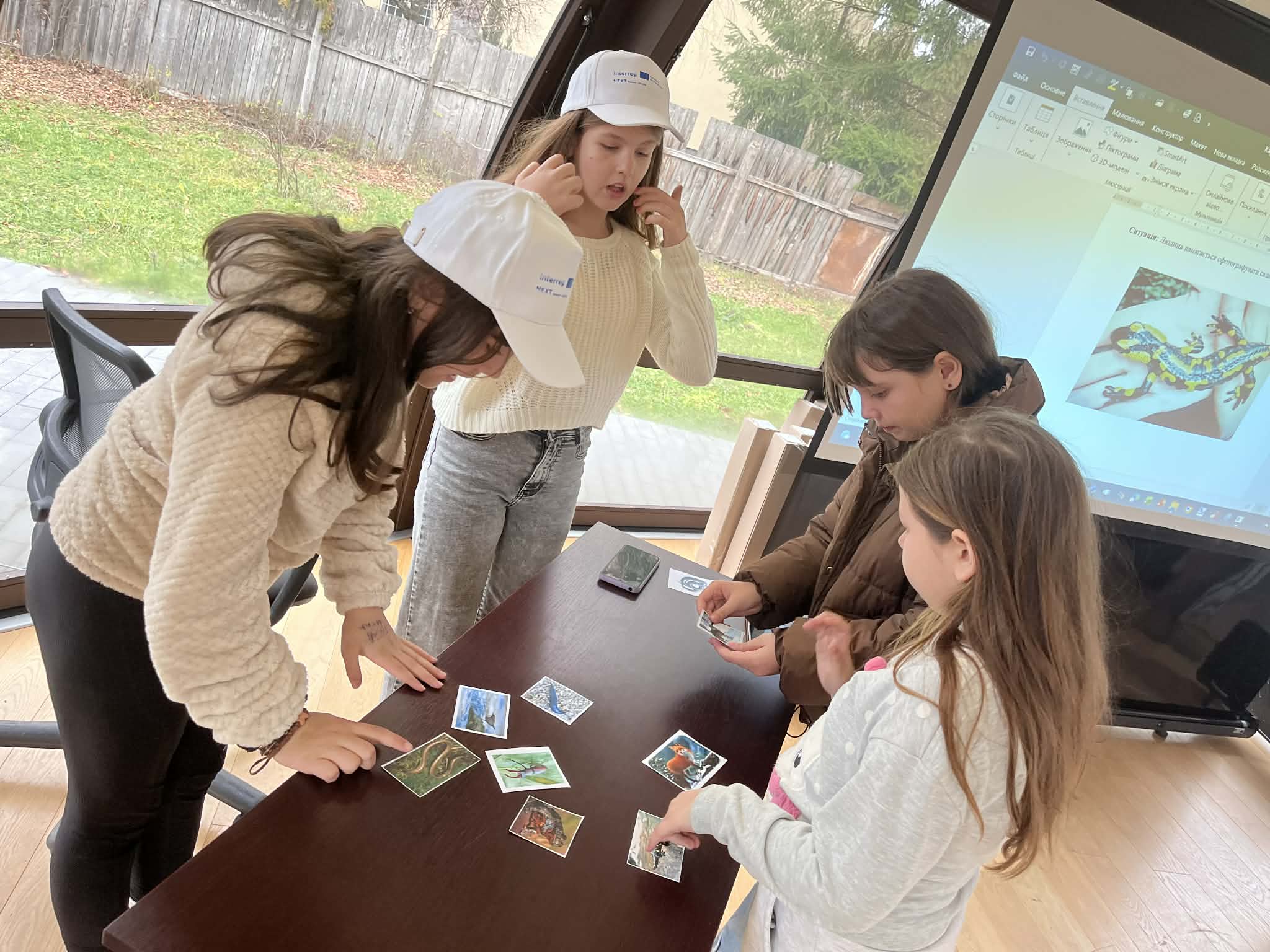
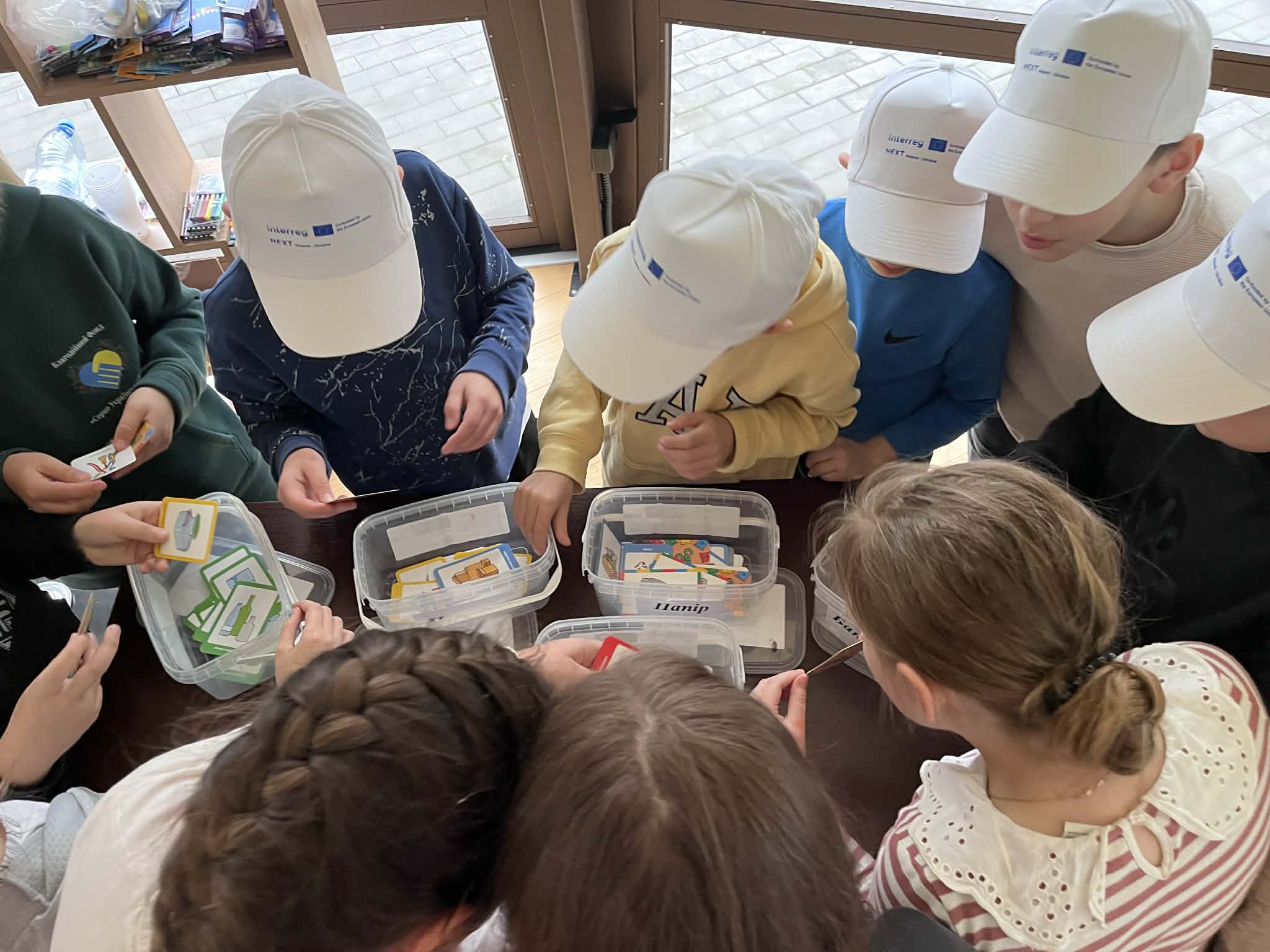
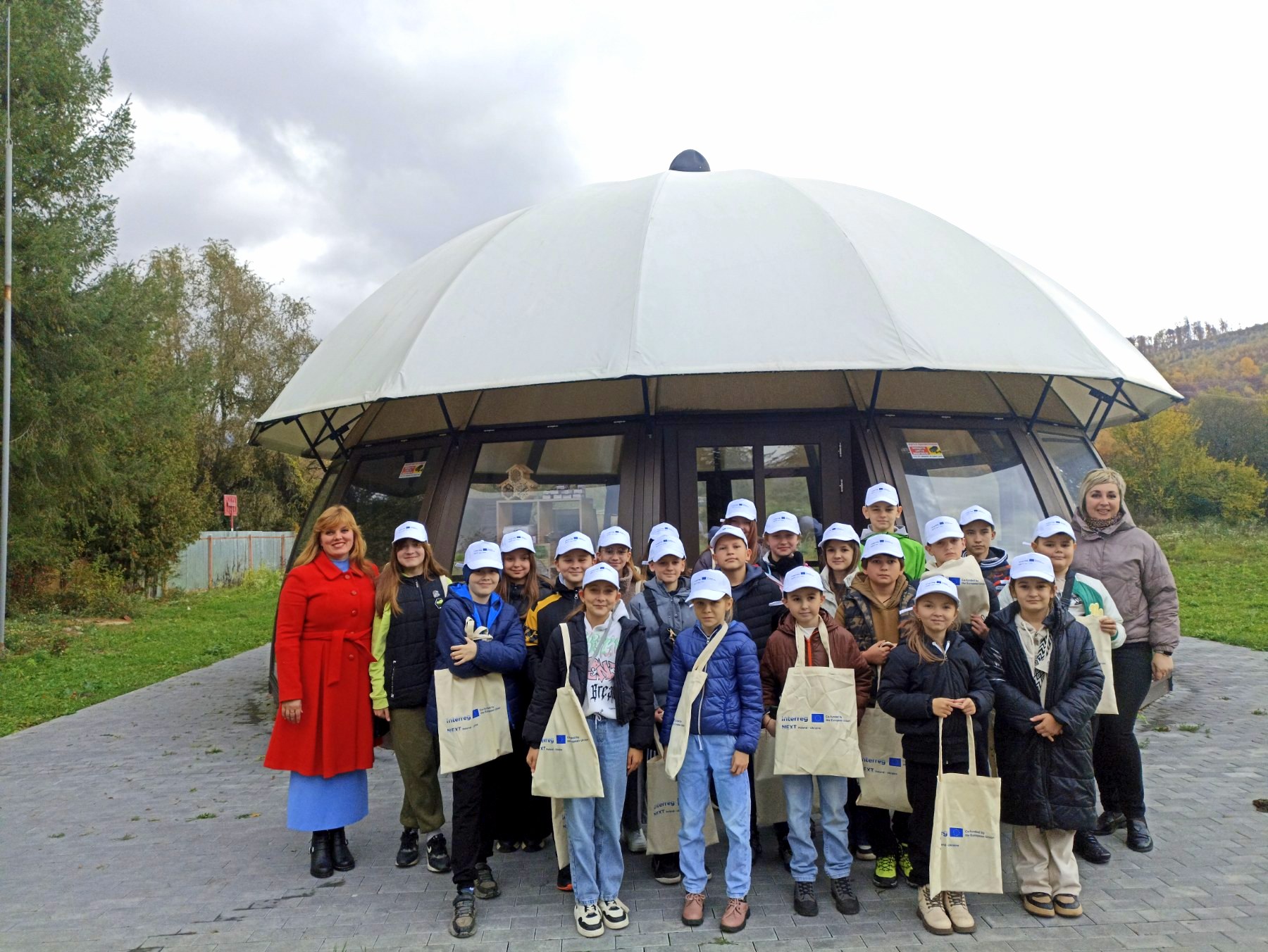
150 children from local schools took part in the events, where they discussed waste sorting, resource conservation, and care for the environment. Students learned which energy sources not only make human life more comfortable but are also environmentally friendly. They discovered unique plants and animals native to their region and played educational games such as “What Plant?,” “Can or Cannot?,” and “Red Book Species.” Through play and discussion, they also learned the principles of waste sorting and sustainable use of natural resources.

I learned that one plastic bottle takes more than 450 years to decompose. This really impressed me, because we throw away a lot of plastic every day, and it pollutes the environment and poisons animals and oceans. I also learned that bees may disappear, and without them humanity would be left without many fruits and vegetables
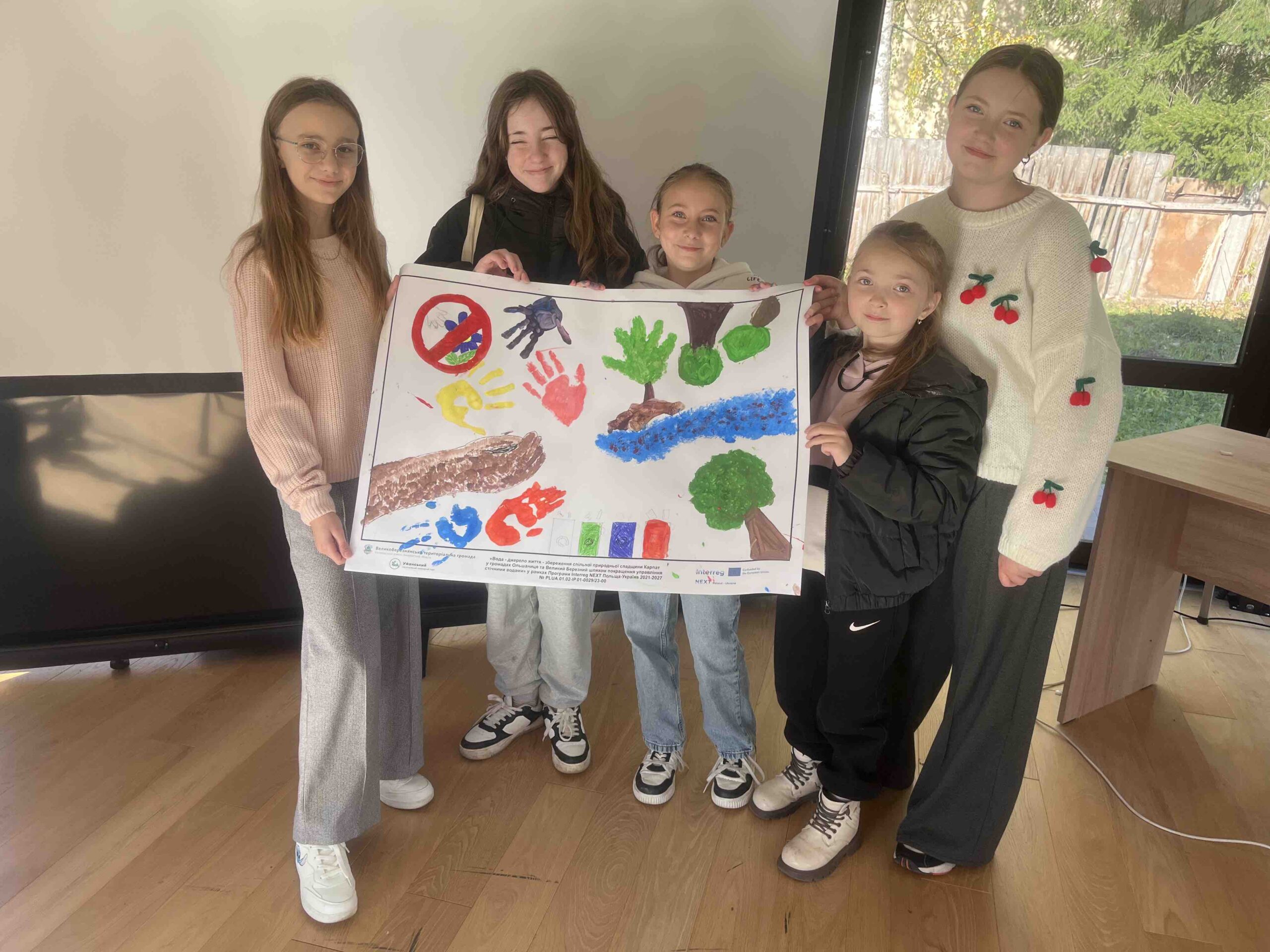
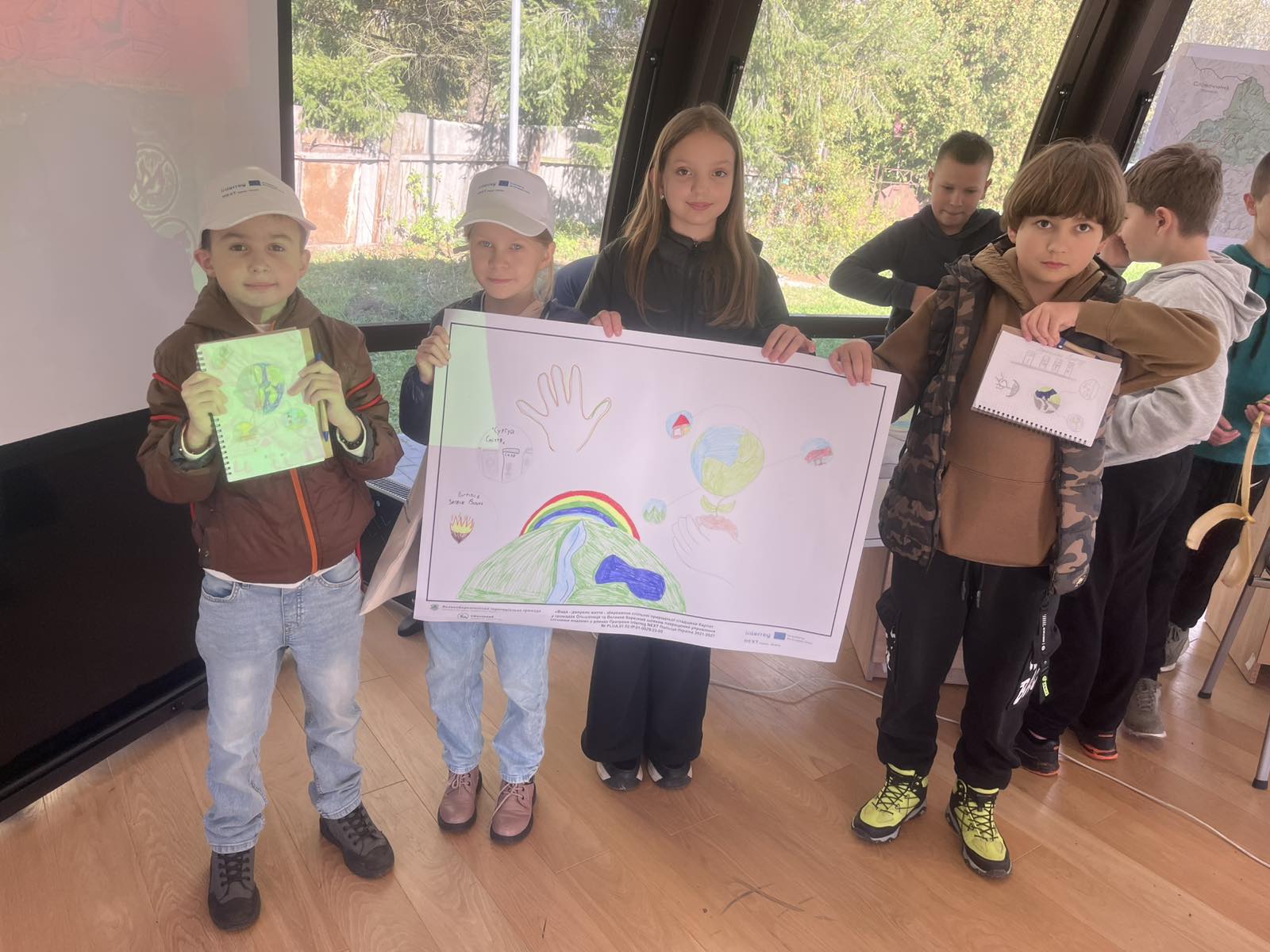
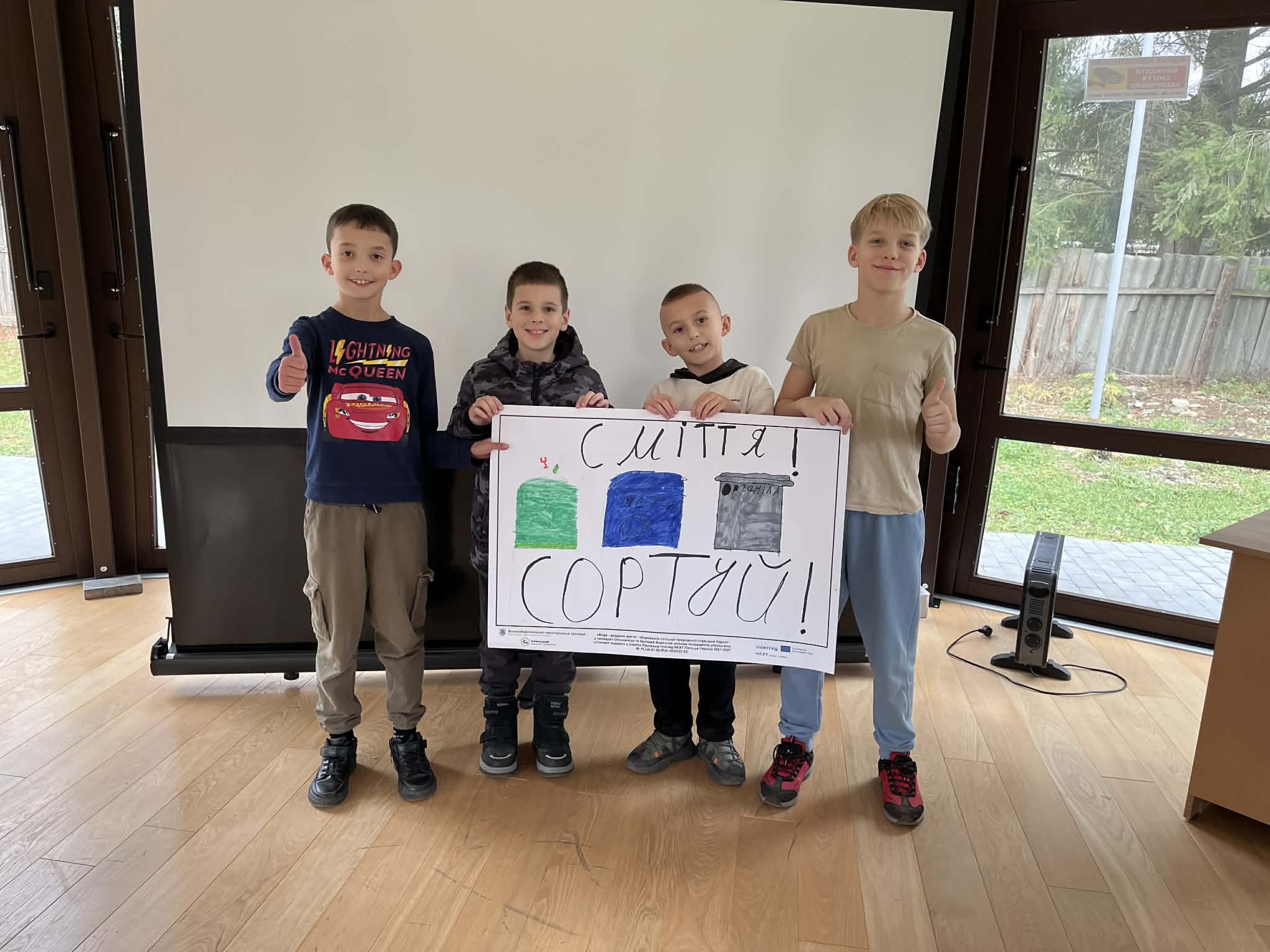
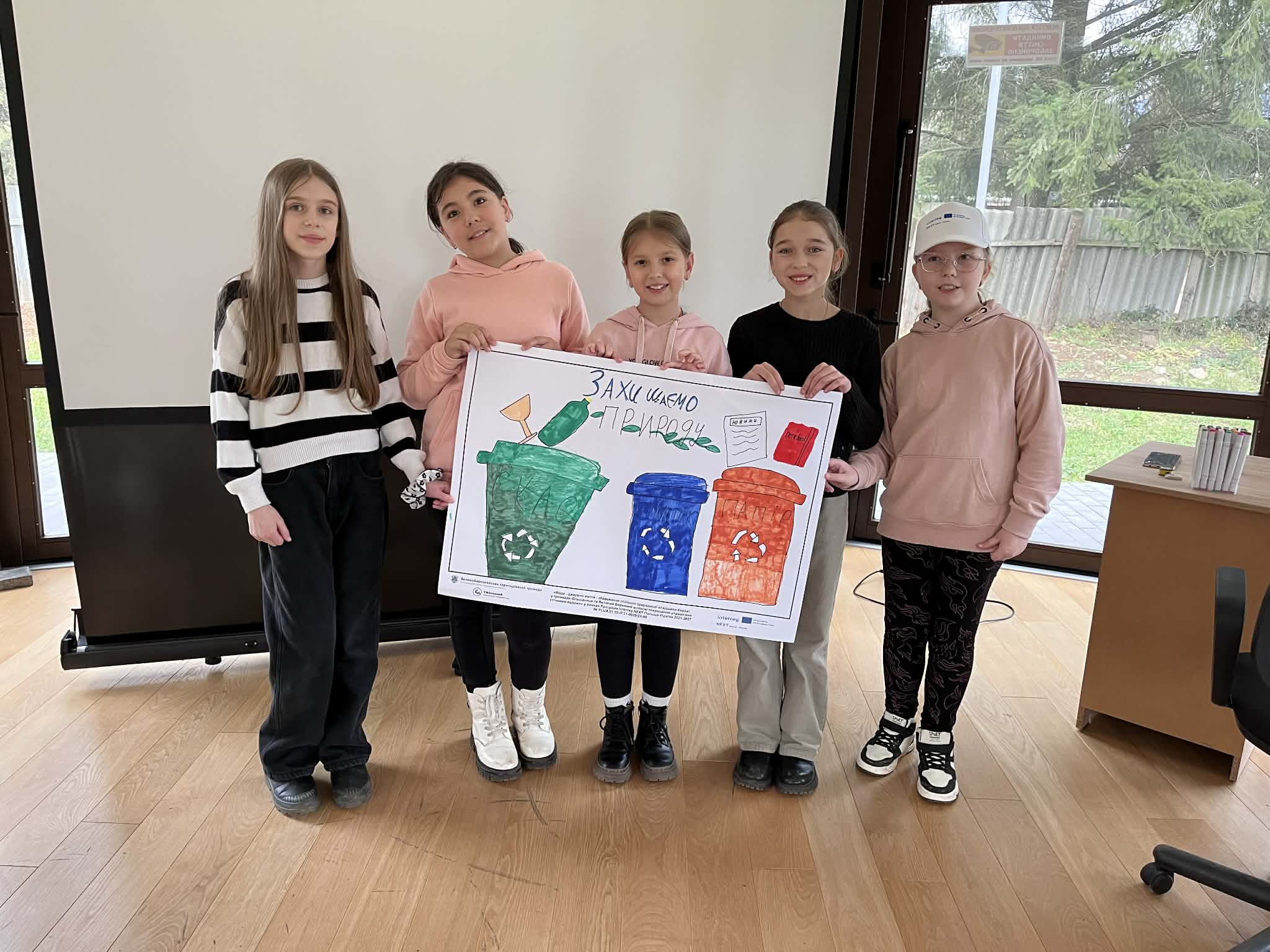
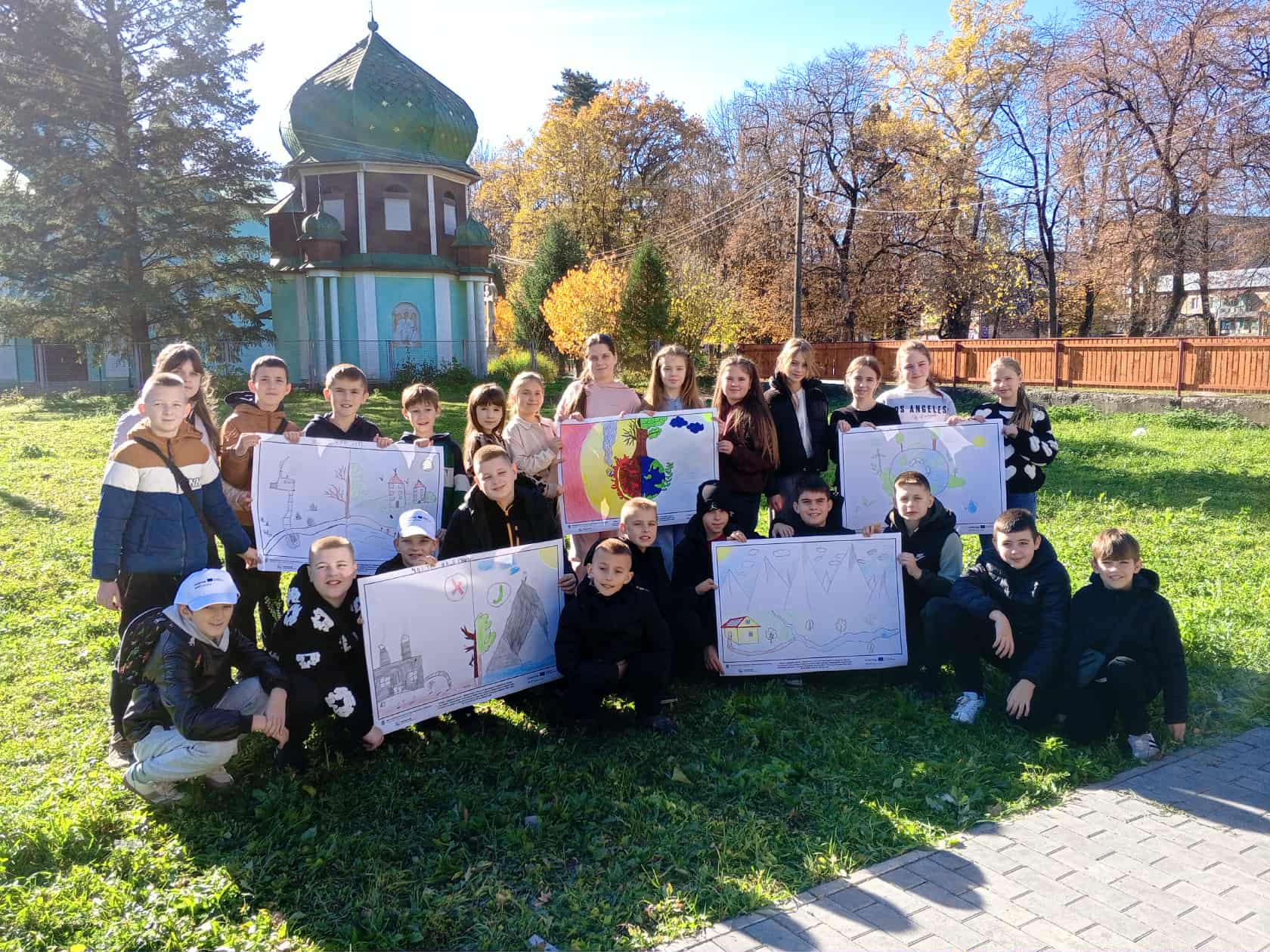
During the practical sessions, children created posters illustrating their vision of a cleaner future and proposed their own ideas for solving environmental problems. Young environmentalists truly “caught fire” with the topic of local eco-initiatives and approached the task with remarkable creativity. Some suggested organising clean-up days at school while others drew sketches of an “eco corner” in the schoolyard with bird feeders, flower beds, and signs saying “Nature Lives Here.” They also invented “garbage monsters” — bright containers for waste sorting, so that even the youngest community members would happily throw plastic and paper into the right “mouths.”
A small step I want to take for our nature is to plant several plants at home, because they clean the air well. I also want to save water by turning off the tap when I brush my teeth. I liked the part about birds the most, especially how to feed them properly in winter,
The activities became more than just lessons. They created a space for creativity, teamwork, and deep awareness of responsibility for the shared natural heritage of the Carpathians.
We believe that our children will grow up to be true guardians of our region. Every drawing, every discussed step towards cleanliness is a contribution to preserving our unique nature for future generations
And even more exciting experiences are ahead: exploring nature through real field research.
Learn more about the project HERE.