For the first time in Ukraine, the innovative corneal transplant surgery was performed in Ternopil, while the Ophthalmology Department in Dębica is expanding at the blink of an eye. All of that is thanks to the GoldenEye project financed under the Interreg PL-UA Programme.
In January this year, for the first time in Ukraine, doctors at the Ophthalmology Department of Ternopil Regional Clinical Hospital successfully performed an anterior lamellar corneal transplantation with femtosecond laser assistance (DALK). The surgery was carried out by Professor Valerii Serdiuk using state-of-the-art laser technology.
Performing such complex procedures became possible thanks to the Ziemer Z8 LDV femtosecond laser, purchased within the GoldenEye project entitled Improving access to eye care in the Polish-Ukrainian cross-border region. This high-precision device allows surgeons to operate with exceptional care and accuracy, minimising the impact on healthy eye tissues.
The GoldenEye project has significant innovative value for the western region of Ukraine, as it establishes one of the first fully functional eye microsurgery centres capable of providing care for complex military and civilian injuries without the need to transport patients to the capital or abroad. Thanks to the introduction of the combined vitreoretinal system DORC EVA and the Ziemer femtosecond laser, purchased under the project, the hospital’s ophthalmology department can now treat patients with a wide range of complex eye conditions and injuries. These include traumatic eye injuries (especially combat-related), diseases of the retina and vitreous body, corneal and anterior segment pathologies, as well as complex combined conditions. Even patients with complicated diagnoses can regain their vision, perceive life in all its colours, lead a full life, and maintain their ability to work.
The GoldenEye project is a Polish-Ukrainian cross-border initiative designed to respond to the growing demand for high-quality diagnosis and treatment of eye diseases in the region. Both hospitals – Ternopil Regional Clinical Hospital in Ukraine and the Independent Public Health Care Center in Dębica, Poland – have previous experience in cooperation and decided to join forces to meet patient needs with the support of the Programme. The partnership ensures the exchange of clinical experience, the transfer of modern technologies, advanced training for medical staff, and the harmonisation of treatment standards between Polish and Ukrainian partners.
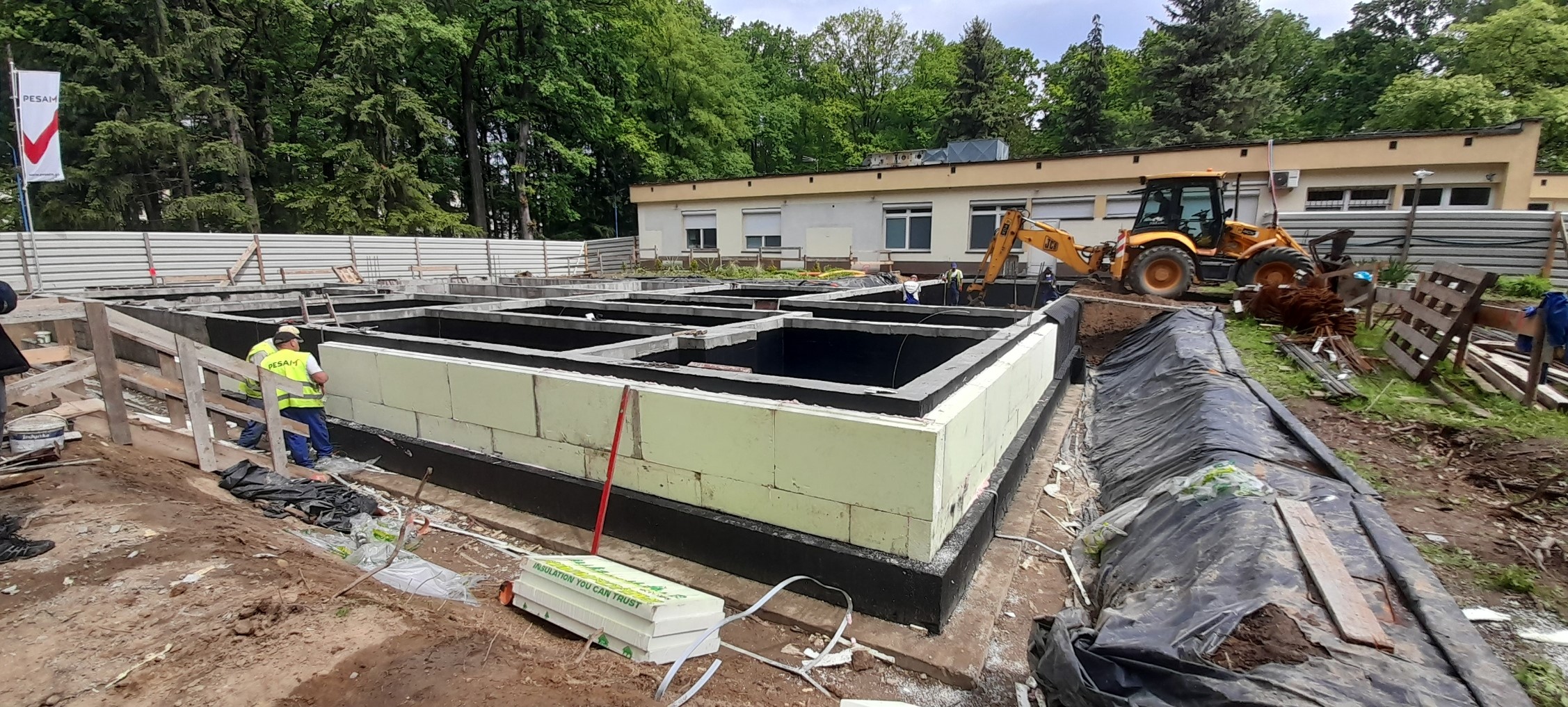
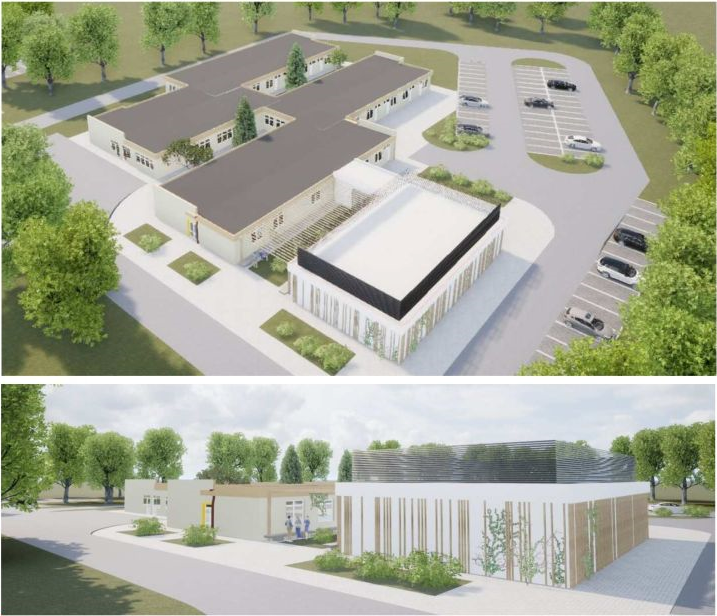
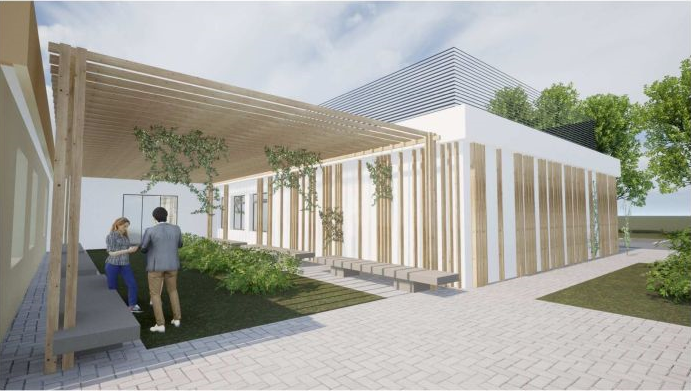
In Dębica, the hospital building is being expanded to include a new operating room for the Ophthalmology Department, equipped with a modern surgical microscope, visualisation systems, operating tables, and operator chairs. Thanks to this investment, the Polish partner will be able to conduct training in non-invasive glaucoma and retinal surgery for Ukrainian staff. Construction in Dębica is progressing according to schedule. Since the work began in March 2025, the facility has grown rapidly and will soon be ready for use.
For the Ternopil Regional Clinical Hospital, adapting medical services to wartime conditions was also critically important. After establishing the partnership with the Independent Public Health Care Center in Dębica, identifying common areas of interest becomes essential.
After the project is completed, patients on both sides of the border will gain better access to ophthalmic procedures, while medical staff will have modern facilities for work and professional development. The number of operations performed will increase, improving access and raising the chances of preserving vision for many patients. The GoldenEye projecthas a total budget of over 2.4 MEUR.