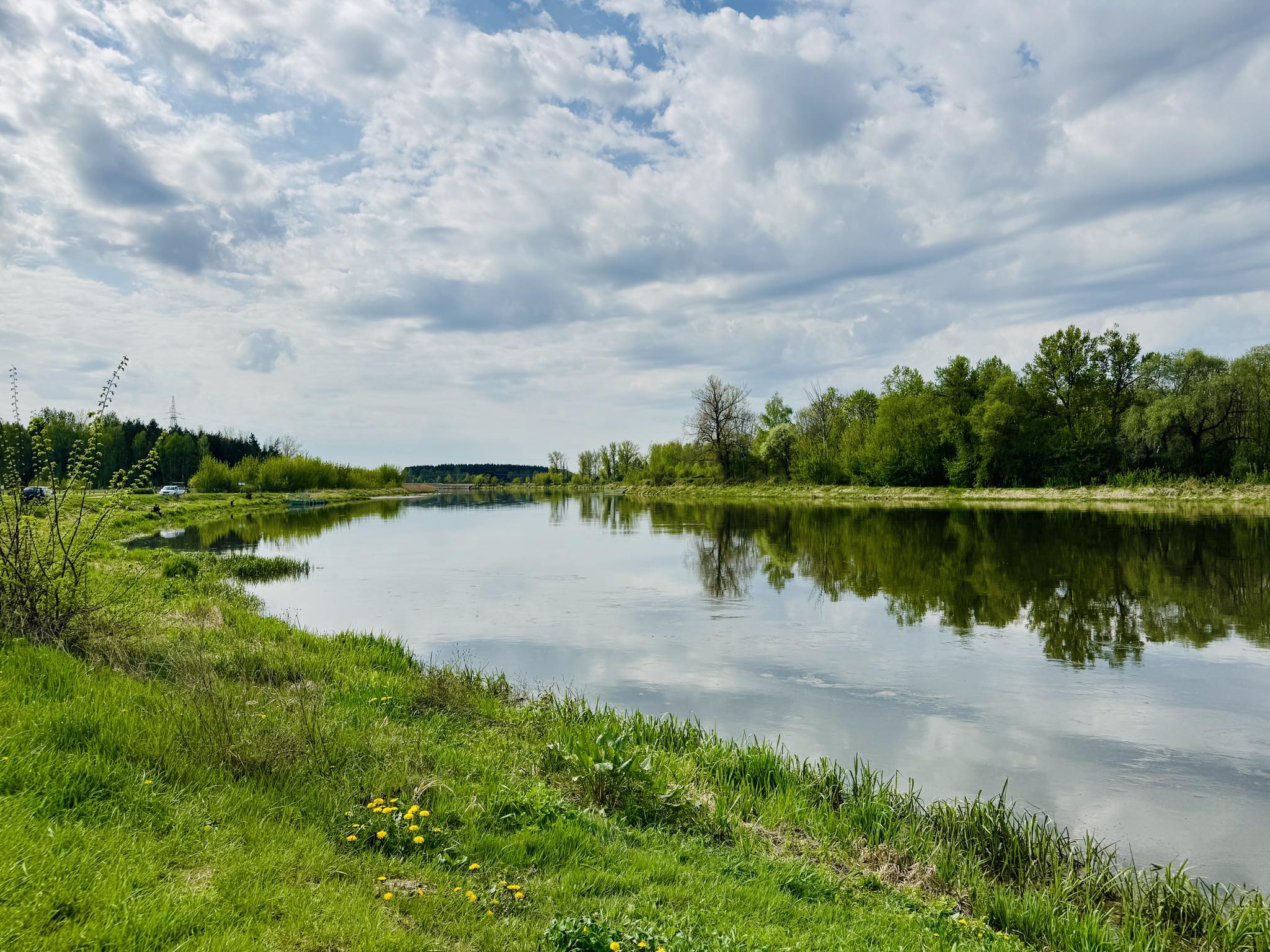
You see more from a kayak: not just the river itself, its current and wild nature, but also what people leave behind – plastic bottles, cans, plastic bags – litter. Rafał Siwek, director of the Communal Cultural Centre in Drohiczyn, deeply respects nature, and the work he does with his partners in the CleanBug project began with this “river’s-eye view.” That is how it all started.
One River, Shared Responsibility
The Bug River connects Poland and Ukraine, flowing for hundreds of kilometres on both sides of the border. Activities related to the river were the impetus for the BugUnitesUs project (Cross-Border Cooperation Programme Poland-Belarus-Ukraine 2014–2020), which brought together partners from Drohiczyn and Chervonohrad. As part of the project, two kayak tourist trails were created. It was the Drohiczyn municipality’s first Polish-Ukrainian experience of implementing cross-border projects. More followed, including CleanBug: ‘CleanBug – joint activities of the Drohiczyn Commune and the Dobrotvir Town Council for protecting biodiversity of the Bug Valley’, under the current Poland – Ukraine Programme.
Dobrotvir, which lies close to the border, remains outside the zone of direct hostilities, which has made it easier to meet and visit each other.
The mayor of Drohiczyn, Wojciech Borzym, who was simultaneously organising humanitarian aid, also joined the effort. That relationship became the foundation of the entire project.
What Is Changing in Practice
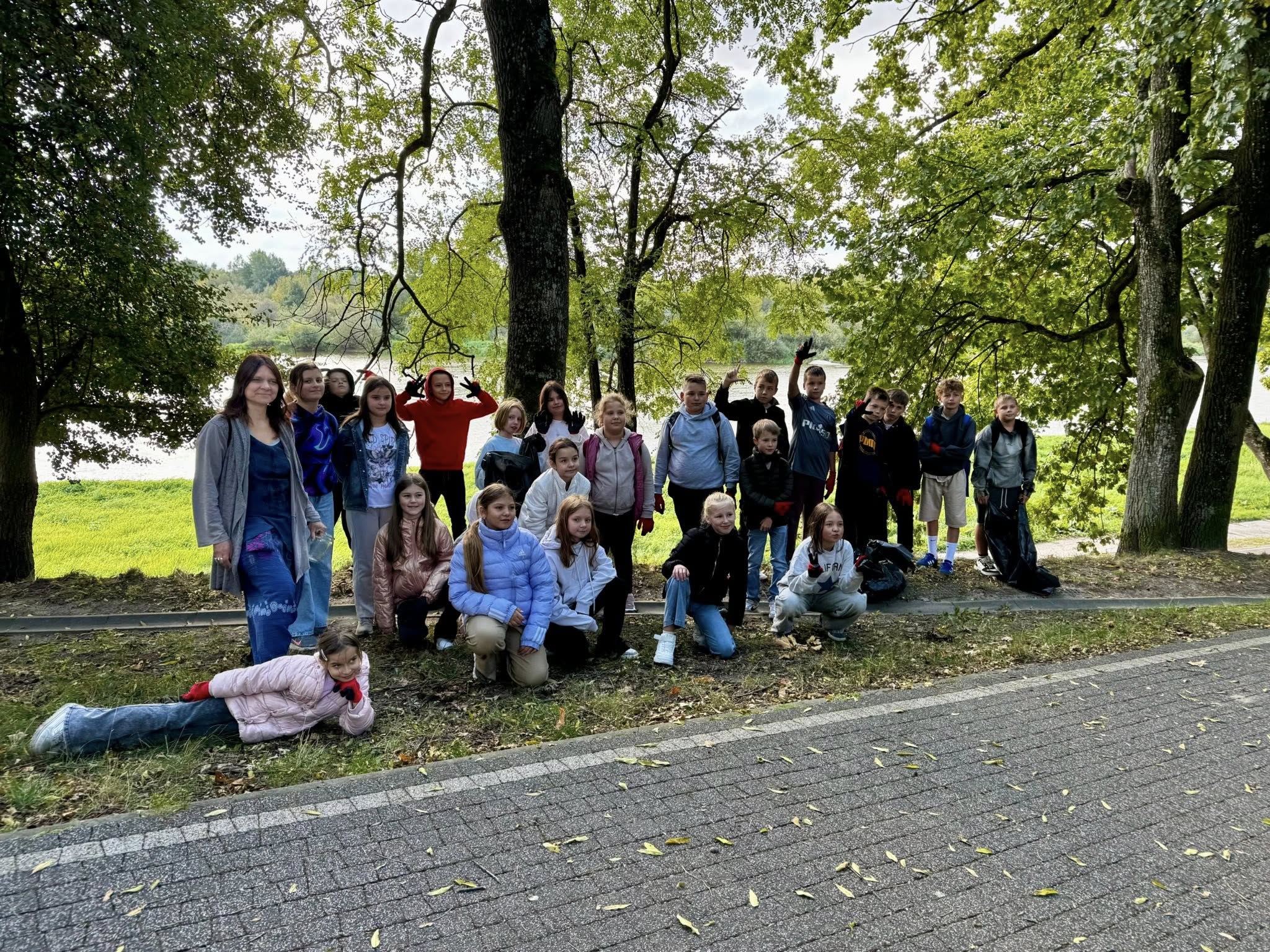
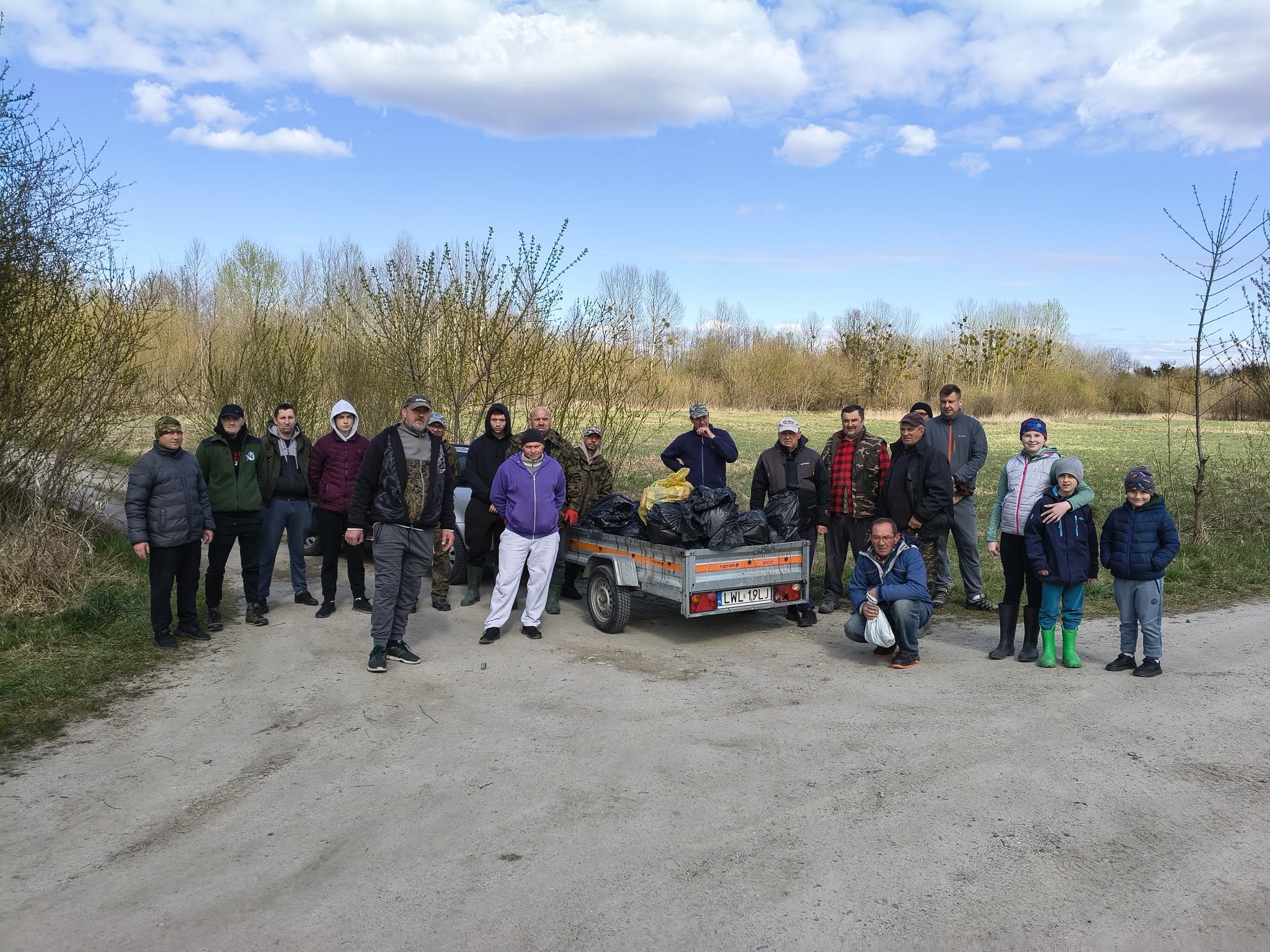
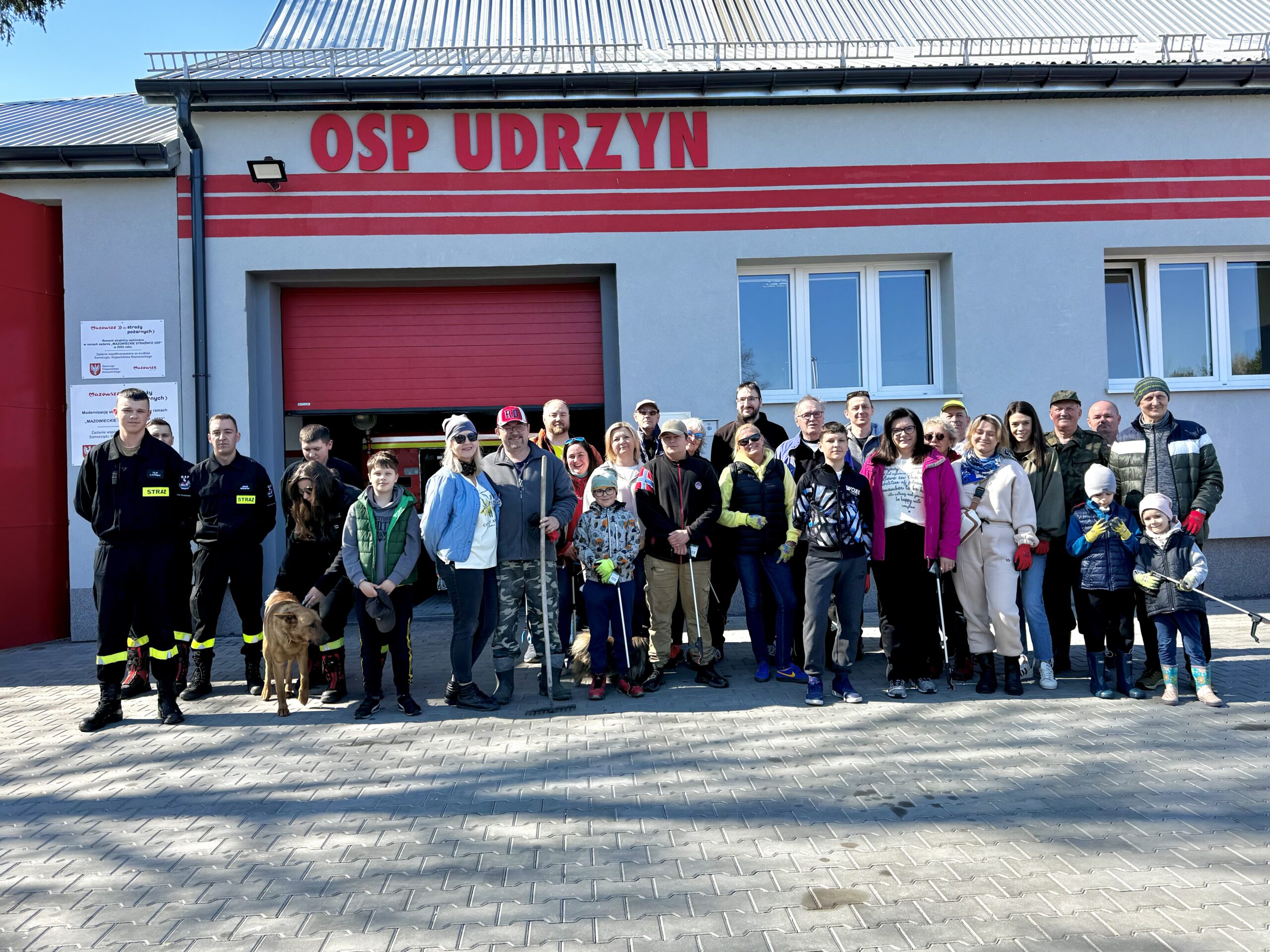
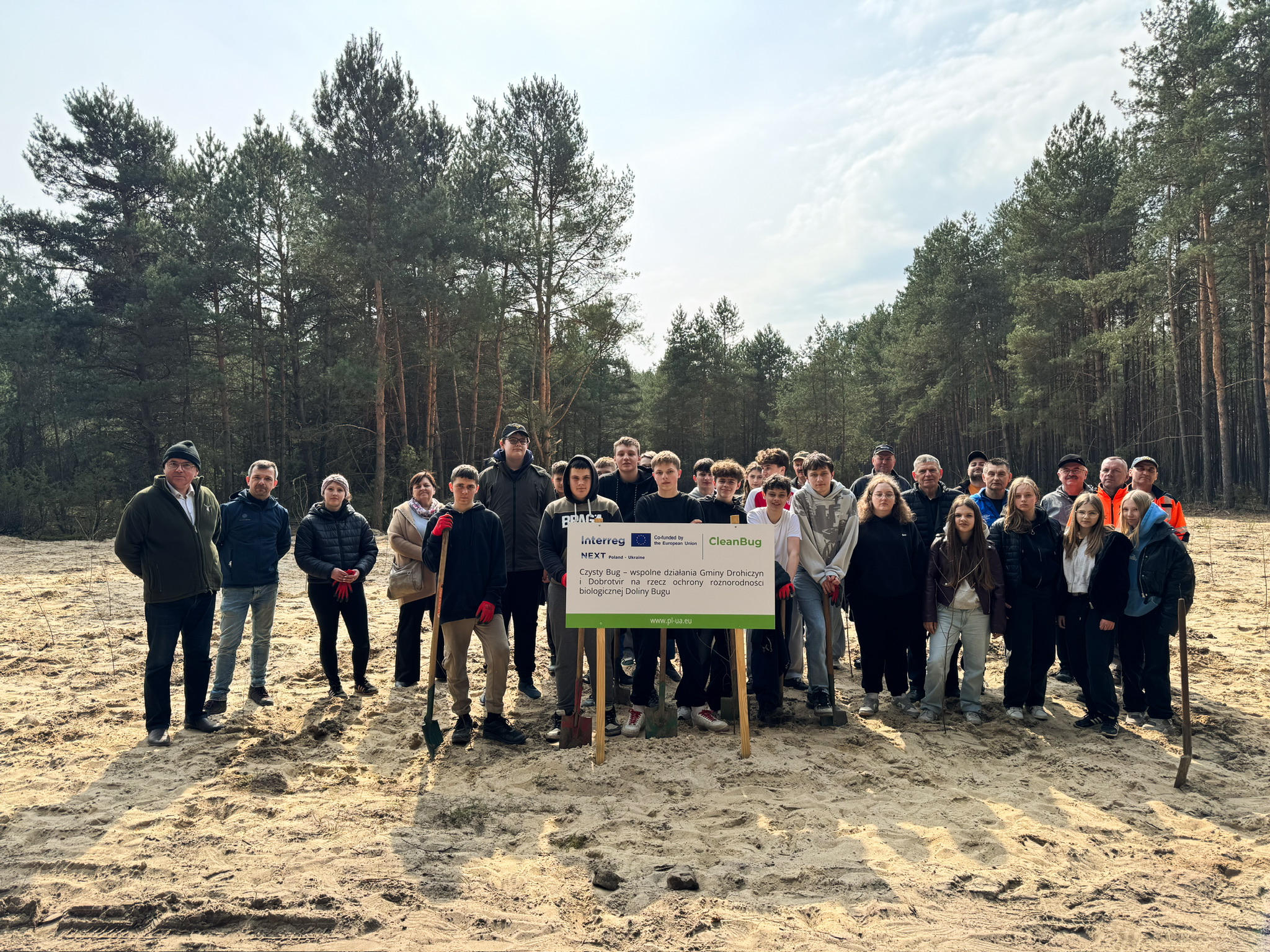
The project delivers concrete investments and activities. Dobrotvir received a modern refuse truck. Drohiczyn bought a specialised hook-lift truck with containers and a refuse compactor, used in clean-up campaigns. Such a vehicle costs over 1.2 million PLN. One of the most visible activities is the joint clean-ups of the river, both of the water itself and of its banks. On the Polish side, residents of 30 neighbouring municipalities took part.
Cleaning the river was only one element of the project. Equally challenging was the removal of illegal dumps, which the partners identified as one of the biggest threats to the Bug Valley. Clearing a single dump can cost hundreds of thousands of zlotys.
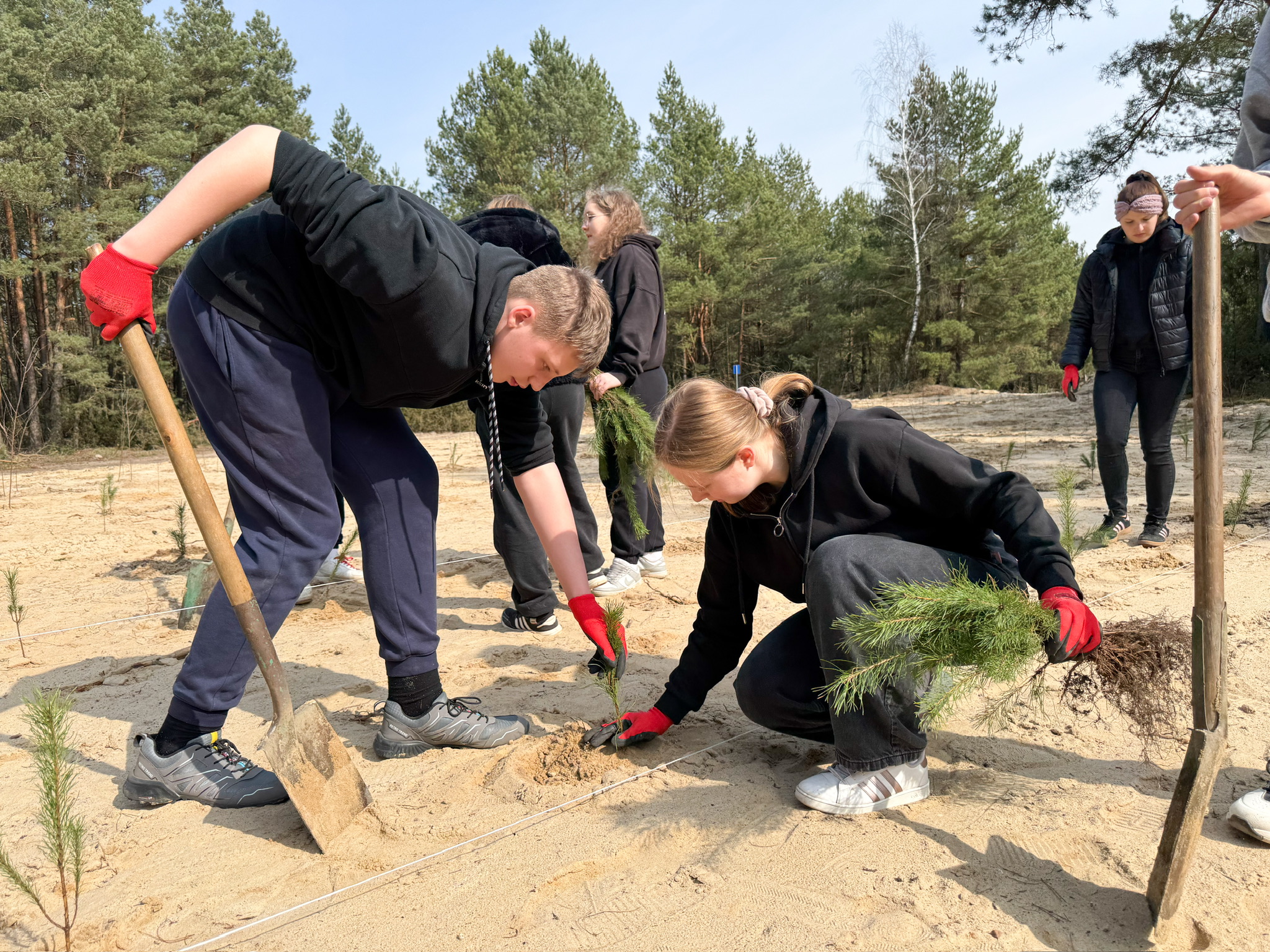
On the Ukrainian side, there were more such sites, and they are also being restored. As part of the project, a nature park with paths, plantings and educational boards was created on neglected land by the river in Dobrotvir.
How Do We Engage the Younger Generation?
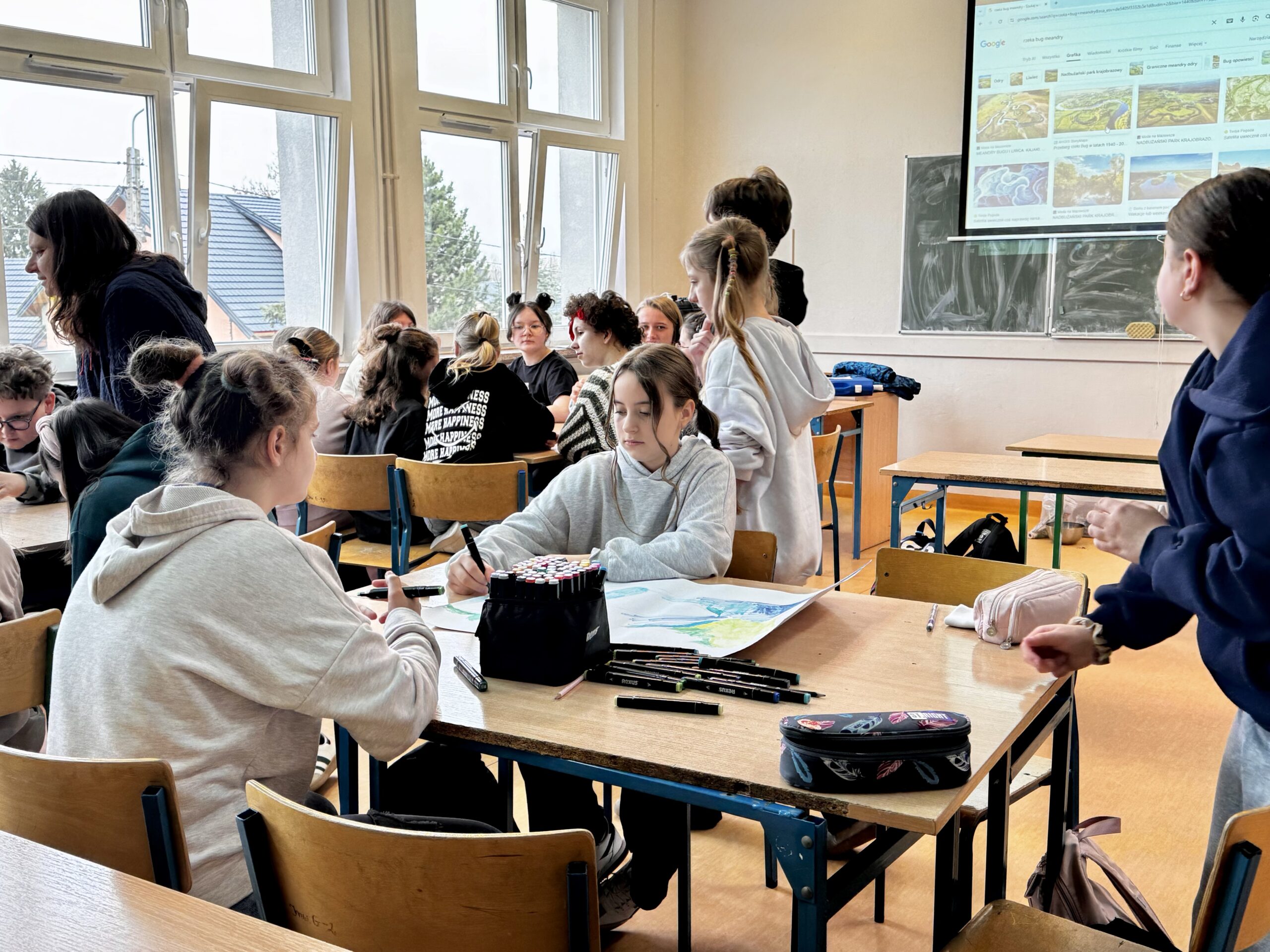
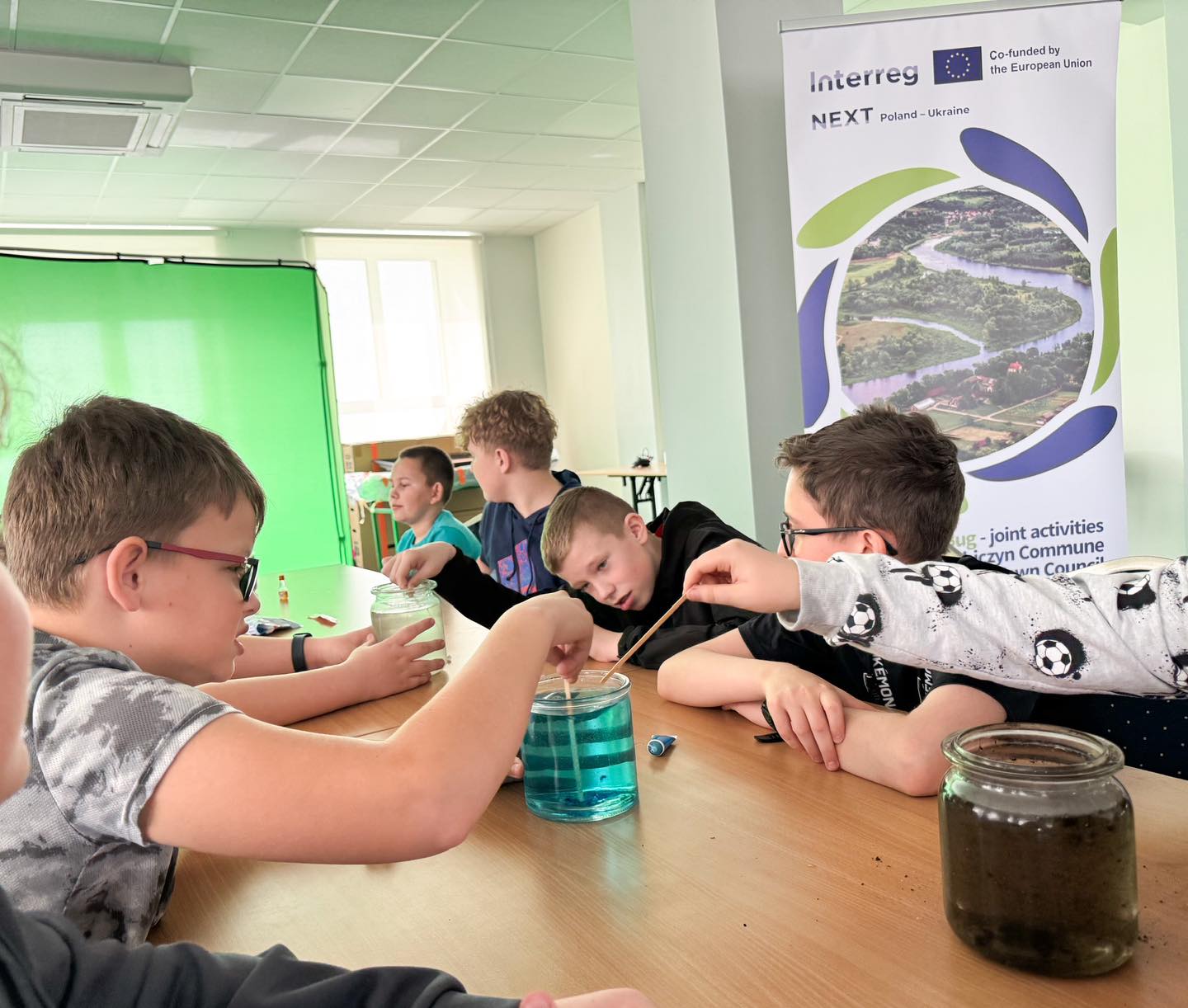
Education is an important part of the project. In the Drohiczyn school complex, so-called iLabs are being set up: interactive exhibition and education rooms. Children, young people, residents and tourists alike will be able to learn about the nature of the Bug Valley and see what pollution does to the river. The space will be used for workshops, lessons and educational events, and after the project ends, it will continue to serve residents and visitors to Drohiczyn.
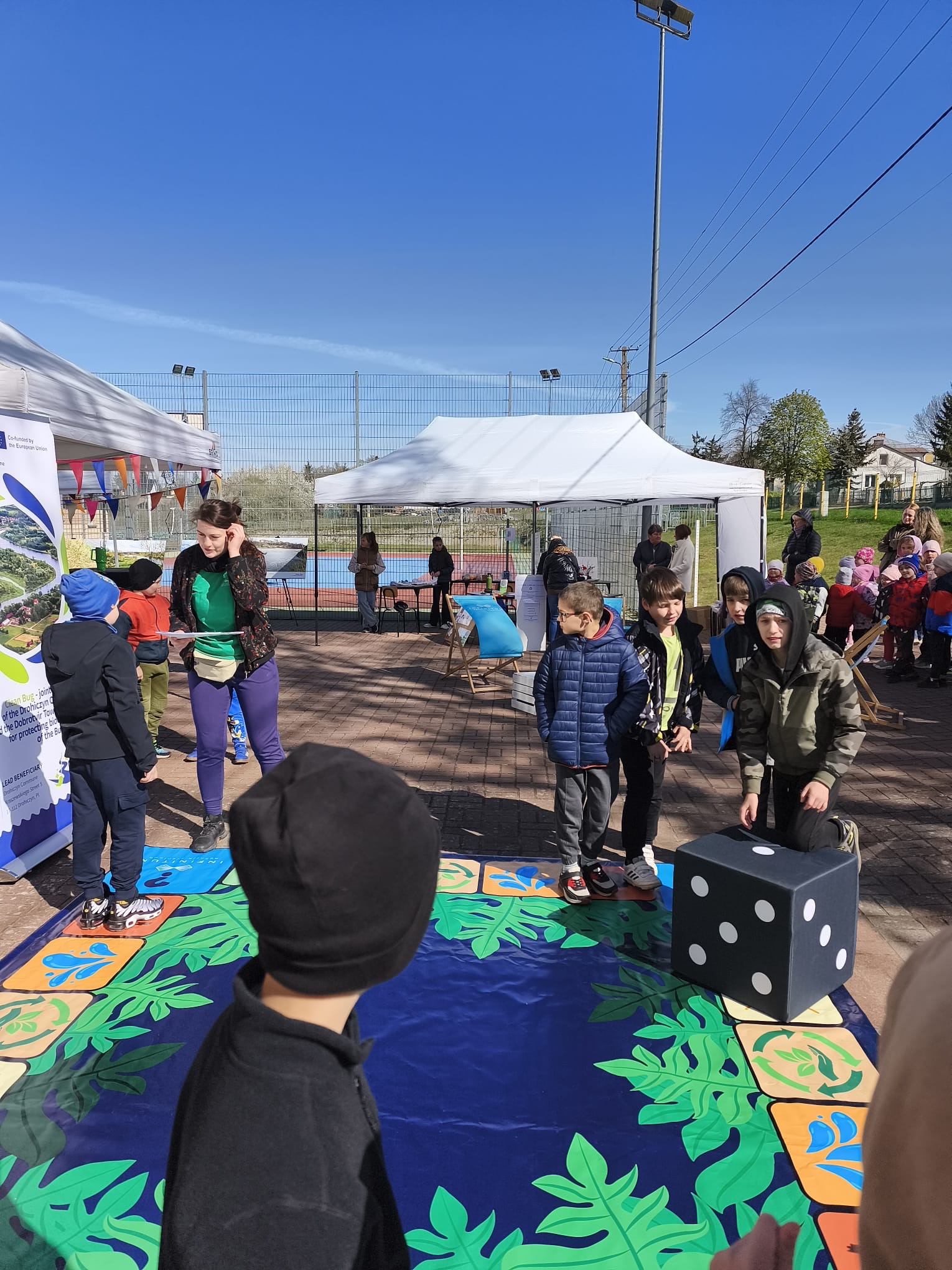
Education does not stop there. The project also includes competitions for children and young people and eco-picnics, which help turn knowledge into concrete action.
Some people come to the Bug for peace and quiet and a taste of nature; others are discovering for the first time a river that for years remained off the main tourist routes. For Rafał Siwek, what matters is that everyone who uses the river, whatever their reasons, feels a shared responsibility for it.